Alex Morgan — Cybersecurity Analyst
What Happened?
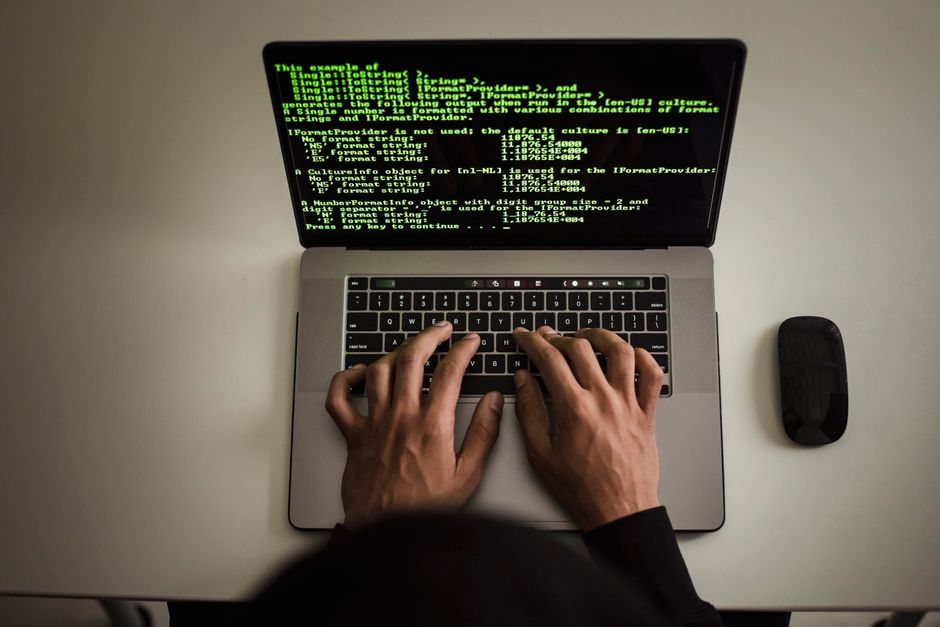
Recently, there has been a surge in cyber attacks targeting home and small business networks. These attacks can hijack your router, which is the device that connects your home to the internet. Hackers exploit weak passwords and unprotected devices to gain access to your network and everything connected to it.
These incidents might sound alarming, but they are becoming more common as more of us rely on the internet for work and personal use. Even if you think your home network is secure, the threat is very real, and hackers are getting smarter every day.
Why Should You Care?
Why should you be concerned about these attacks? Imagine waking up one day to find that someone has gained control of your devices. They could spy on you, steal personal information, or even access your financial accounts!
Consider these potential consequences:
- Your sensitive data, like passwords and credit card numbers, could be stolen.
- Hackers can also use your internet connection to commit crimes without your knowledge, putting you at risk of legal trouble.
- Invasive malware can slow down your devices, leading to frustrating and costly repairs.
Understanding the threat is the first step toward protecting yourself and your family.
How to Protect Yourself
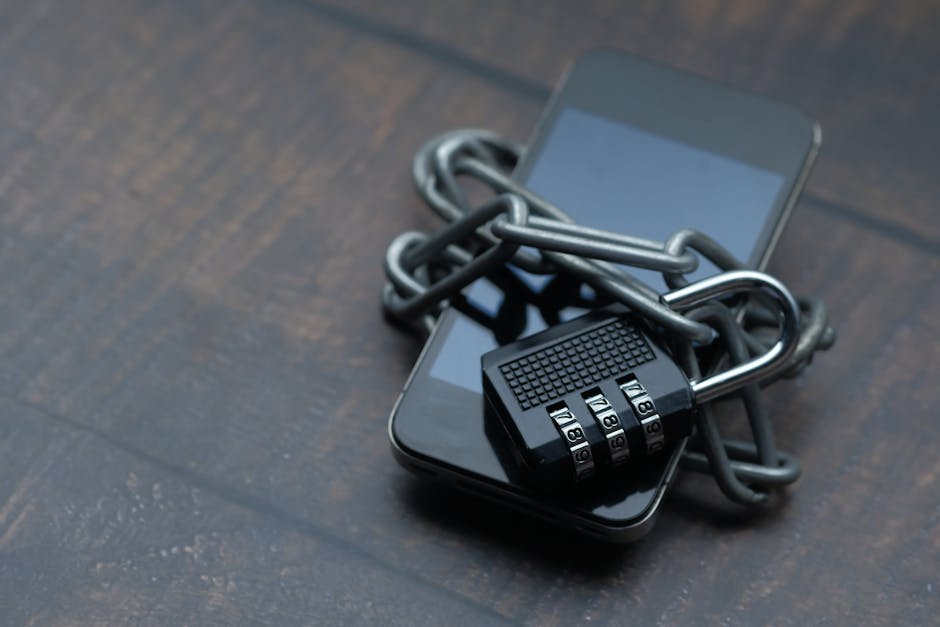
The good news is that there are practical steps you can take to secure your home network. Here are some easy but effective tips:
- Change Default Passwords: When setting up your router, you might have used the default password. Change it to something strong and unique that only you know.
- Enable Encryption: Use WPA3 or WPA2 encryption for your Wi-Fi network. This adds a layer of protection against unauthorized access.
- Keep Your Devices Updated: Regularly update the firmware on your router and other connected devices. This helps patch security vulnerabilities that hackers could exploit.
- Use a Guest Network: If you have visitors who need internet access, set up a separate guest network. This keeps your main devices safer from potential threats.
- Secure Your IoT Devices: Internet of Things (IoT) devices like smart speakers and cameras can be entry points for hackers. Ensure these devices have strong passwords and aren’t left with factory settings.
- Monitor Your Network: Regularly check which devices are connected to your network. If you notice anything suspicious, take action immediately.
Final Thoughts
In today’s digital world, keeping your home network secure is more important than ever. Cyber attacks are becoming common, but with a little knowledge and some simple steps, you can significantly reduce your risk. Don’t let hackers take advantage of you or your family!
Take charge of your internet safety by implementing the tips above and stay informed about the latest threats. Being proactive is the best strategy when it comes to cybersecurity.
Source: Original Article