Introduction
In today’s digital world, our passwords are like keys to our homes. They protect our personal information, finances, and privacy. But how secure are your passwords? In this blog post, we will explore why strong passwords are essential and how you can create passwords that keep hackers at bay.
Why Strong Passwords Matter
Imagine unlocking your door with a flimsy toothpick instead of a sturdy key. That’s how it feels when you use weak passwords online. A strong password is your first line of defense against cybercriminals.
With data breaches happening so frequently, having a secure password is more critical than ever. Many people don’t realize that one stolen password can give hackers access to multiple accounts.
What Makes a Password Strong?
A strong password is not just something random or easy to remember. Here are the key characteristics:
- Length: At least 12 to 16 characters.
- Complexity: A mix of uppercase and lowercase letters, numbers, and symbols.
- Unpredictability: Avoid using easily guessed information, like birthdays or common words.
Common Mistakes to Avoid
Unfortunately, many of us fall into traps when creating passwords. Let’s look at some common mistakes:
- Using Personal Information: Your name, pet’s name, or birthday should never make it into your password.
- Reusing Passwords: Using the same password across multiple accounts can lead to disaster if one gets compromised.
- Simple Patterns: Avoid sequences like ‘123456’ or ‘password’.
How to Create Strong Passwords
Creating a strong password doesn’t have to be a headache. Here’s how:
- Use a Passphrase: Create a sentence you can remember and use the first letter of each word, adding in numbers or symbols. For example, “I love hiking in 2023!” can become “Ilh@2023!”
- Consider a Password Manager: Password managers can generate and store complex passwords for you, so you only have to remember one master password.
- Regular Updates: Change your passwords every 3 to 6 months to stay one step ahead of potential threats.
Two-Factor Authentication: Your Extra Shield
Think of two-factor authentication (2FA) as a secondary lock on your door. Even if someone manages to guess your password, they still need a second key to get in.
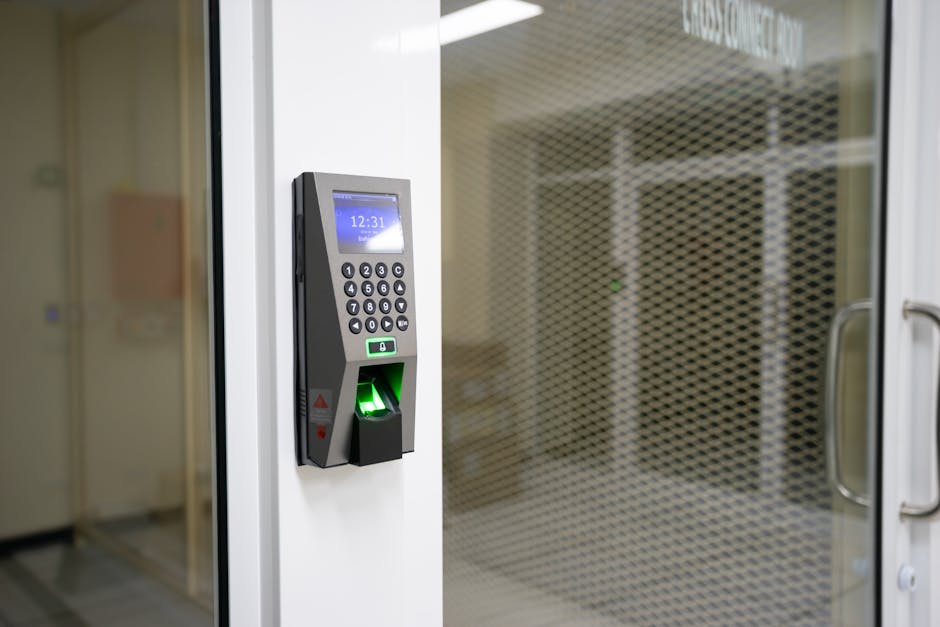
2FA typically involves something you know (your password) and something you have (a code sent to your phone or email). Enabling this feature adds an extra layer of security and is highly recommended.
Being Aware of Phishing Attacks
Even the strongest password can be compromised through phishing. Phishing is when attackers trick you into giving away your information by pretending to be someone you trust.
Stay vigilant! Always check the sender’s email address, look for spelling mistakes, and never click on suspicious links. When in doubt, contact the person or company directly.
Final Thoughts
Your password is your first line of defense in the digital world. By creating strong, unique passwords and employing two-factor authentication, you can significantly reduce the risk of being hacked. Remember, the more complicated your passwords are, the safer your digital life will be.
Take time today to review your passwords. Use the tips shared in this blog to ensure that your online accounts remain protected.