
What Happened?
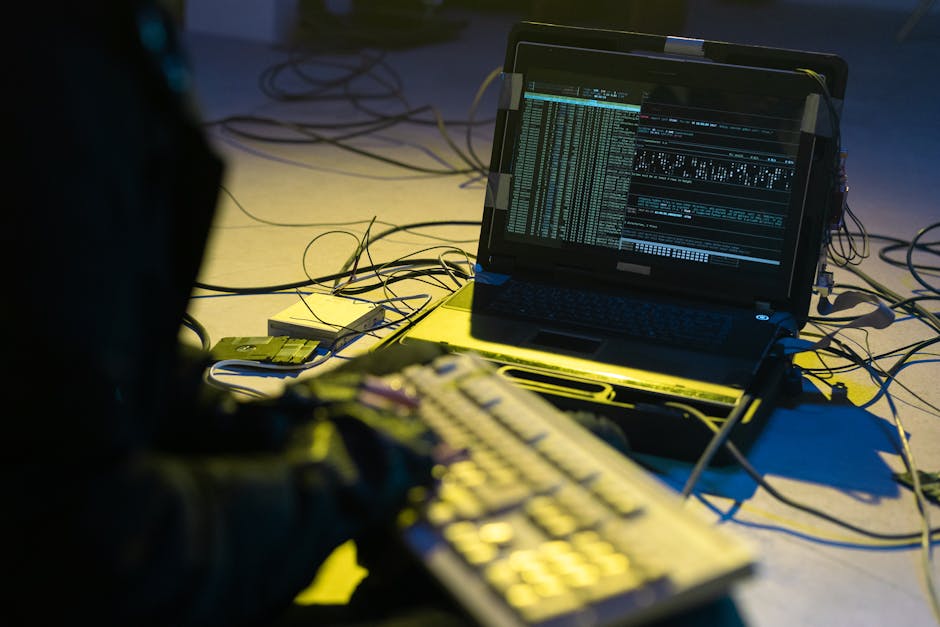
Recently, reports have surfaced about a troubling new trend in the world of cybercrime. Hackers are increasingly targeting everyday people like you and me to steal personal information. This might include everything from your names and addresses to more sensitive details like social security numbers and bank account information. It’s alarming to think that our details can be compromised so easily!
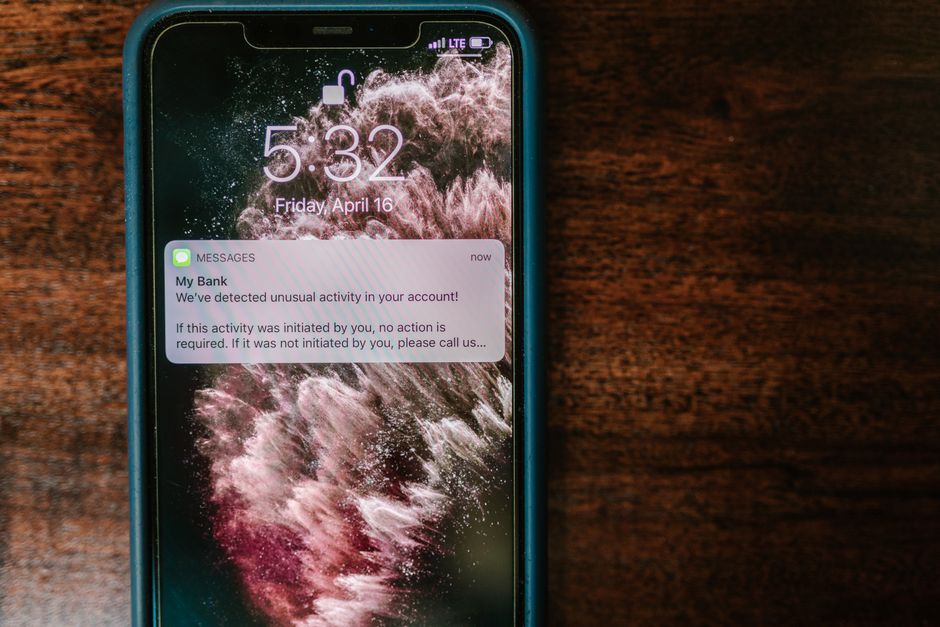
These cybercriminals use various techniques to gain your trust, often pretending to be companies you already interact with. By sending emails or messages that look legitimate, they trick you into clicking on harmful links or providing your information directly. It feels like a modern-day form of theft, only it takes place online.
Why Should You Care?
You might wonder, why is this such a big deal? Well, when hackers gain access to your personal information, they can cause significant trouble. This can lead to identity theft, where someone uses your details to commit fraud in your name. Imagine waking up one day to find out that your bank account has been drained or that someone has taken loans out in your name!
Moreover, the effects can last a long time. Fixing the aftermath of identity theft can be a lengthy and frustrating process. It can take months to reclaim your identity, and during this time, your credit score could suffer, affecting your ability to make big purchases like buying a home or car.
How to Protect Yourself
So, how can you keep yourself safe from these cyber threats? Here are some practical steps to protect your personal information:
- Be Cautious with Emails: Always check the sender’s email address. Look for signs of phishing, such as unexpected requests for sensitive information or links that don’t look right.
- Use Strong Passwords: Create passwords that are hard to guess. Combine letters, numbers, and symbols, and avoid using easily obtainable information like birthdays.
- Enable Two-Factor Authentication: Whenever possible, add an extra layer of security by using two-factor authentication. This requires not just a password but also a second piece of information to access your accounts.
- Keep Your Software Updated: Regular updates for your operating system and apps help protect against new vulnerabilities hackers might exploit.
- Monitor Your Financial Statements: Regularly review your bank statements and credit reports for any unfamiliar transactions. Early detection can prevent more significant issues.
Final Thoughts
Cybersecurity might seem like a complicated topic, but with a few simple steps, you can greatly reduce your risk of becoming a victim. Remember, the key is to be aware and stay informed about potential threats. By taking proactive measures, you create a stronger defense against hackers seeking to exploit your personal information. Stay safe online!
Source: Original Article