
Introduction
Have you ever considered how much your online account passwords can affect your safety? In today’s digital world, strong passwords are your first line of defense against cyber threats. If you think using ‘123456’ or ‘password’ is okay, think again. In this blog, we’ll explore why passwords matter and how to create the best ones.
Why Are Passwords Important?
Your password is the key to protecting your personal information. It secures sensitive data like bank accounts, social media, and emails. Cybercriminals look for easy targets, and weak passwords are an open invitation.
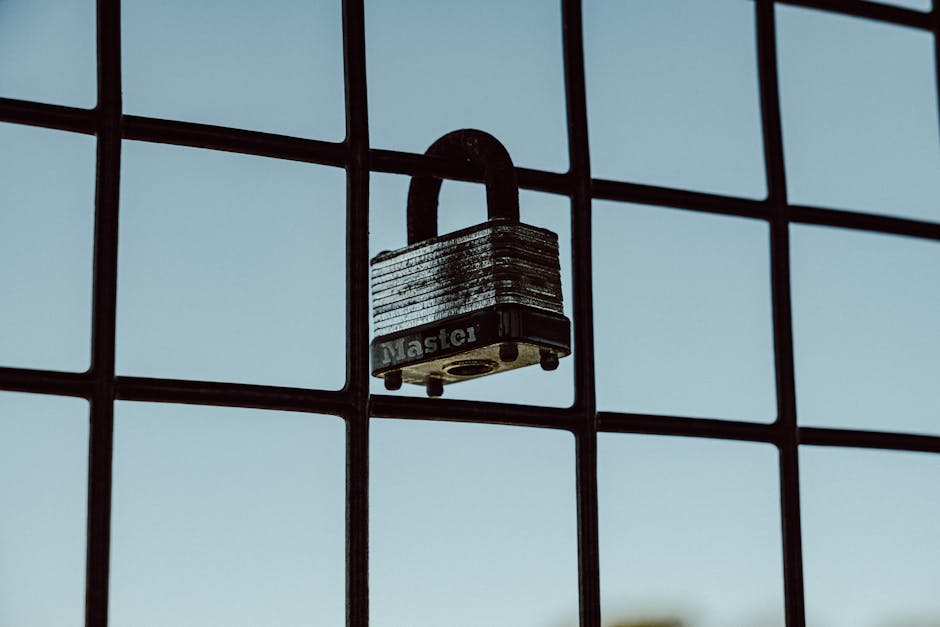
Imagine leaving your front door unlocked. You wouldn’t do it, right? The same applies to your digital life. A strong password helps keep your information safe from prying eyes.
What Happens if You Have a Weak Password?
Using weak passwords can lead to devastating consequences such as:
- Account Hijacking: Cybercriminals can easily guess simple passwords and take over your accounts.
- Identity Theft: They could use your personal information to impersonate you, causing financial loss and emotional stress.
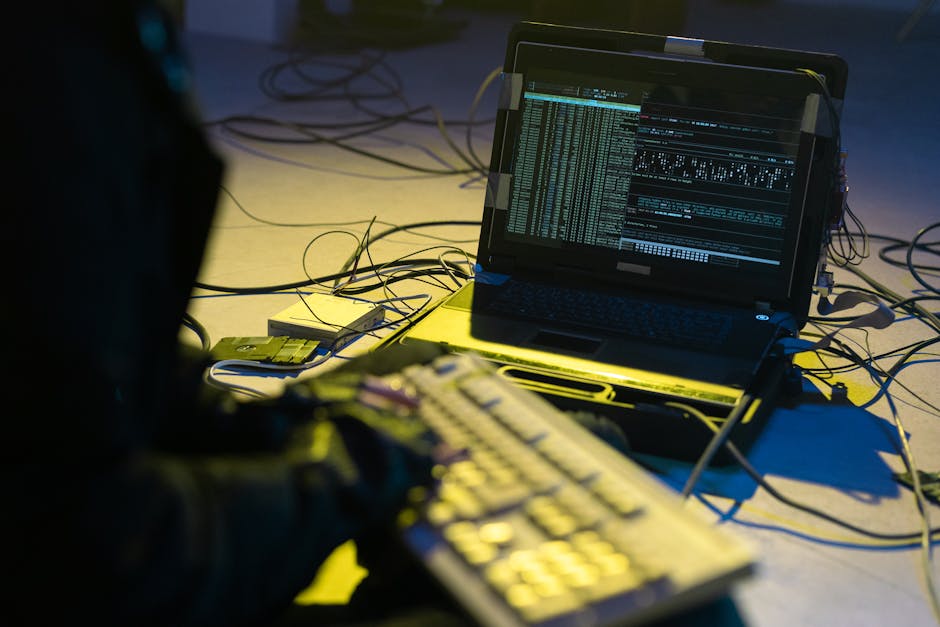
- Data Breaches: Weak passwords can allow hackers access to sensitive data that can be sold on the dark web.
Characteristics of a Strong Password
Now that we understand the risks, let’s discuss what makes a password strong:
- Length: A strong password should consist of at least 12 characters.
- Complexity: Use a mix of uppercase and lowercase letters, numbers, and special characters.
- Avoid Personal Information: Don’t include easily accessible details like your name, birthday, or pet’s name.
How to Create a Strong Password
Creating a strong password can be simple if you follow these tips:
- Passphrase Method: Combine random words into a phrase. For example, “BluePineapple!Dance2!” is easier to remember but hard for hackers to guess.
- Substitutions: Swap letters for numbers or special characters. For instance, change ‘A’ to ‘@’ or ‘S’ to ‘5’.
- Use a Password Manager: These tools can generate and store complex passwords for you, so you don’t have to remember them all.
The Importance of Unique Passwords
Never use the same password across multiple accounts. If one account gets hacked, all others become vulnerable. It’s like using the same key for your house and car; if someone steals it, they have access to everything.
Changing Your Passwords Regularly
It’s good practice to change your passwords every few months, especially for sensitive accounts. Regularly updating your passwords makes it harder for hackers to keep up.
Two-Factor Authentication (2FA)
To further enhance your security, consider enabling two-factor authentication (2FA). This adds an additional layer of protection by requiring not just your password but also another form of verification, like a code sent to your phone. It’s like having a second lock on your door.
Conclusion
In the age of digital information, having strong passwords is crucial for protecting your online life. By understanding the importance of password strength and following simple guidelines, you can significantly reduce the risks of cyber threats.
Remember, your password is your shield. Make it strong, keep it unique, and update it regularly. Your online safety depends on it!