
Introduction
In today’s digital world, online privacy is something we can’t afford to overlook. Every day, we share personal information without a second thought. But how much do we really know about who is watching us and how our data is being used?
What is Online Privacy?
Online privacy refers to the ability to control your personal information on the internet. This includes anything from your name and address to your browsing habits. While we enjoy connecting with others online, it’s crucial to be aware of the risks involved.
Why Does Online Privacy Matter?
There are several reasons why protecting your online privacy is crucial:
- Identity Theft: Personal information can be stolen and used fraudulently.
- Data Tracking: Many companies track your online behavior to tailor ads or sell your information.
- Security Risks: Poor privacy practices can lead to breaches and hacks.
Understanding these risks can help emphasize why we should all take our online privacy seriously.
Common Threats to Your Online Privacy
Several threats can infringe upon your online privacy:
- Data Breaches: Companies sometimes fail to protect customer information, leading to sensitive data being exposed.
- Phishing Attacks: Fraudulent emails and websites trick you into giving away personal information.
- Public Wi-Fi Risks: Using unsecured networks can allow hackers to intercept your private data.
Tips for Protecting Your Online Privacy
Fortunately, there are numerous ways you can protect your online privacy:
- Use Strong Passwords: Create unique, long passwords for different accounts and consider a password manager.
- Enable Two-Factor Authentication: This adds an extra layer of security when logging into accounts.
- Be Wary of Public Wi-Fi: Always avoid accessing sensitive information while connected to public networks.
- Review Privacy Settings: Regularly check the privacy settings on social media and other platforms.
- Be Cautious About Sharing: Think twice before sharing personal information online.
The Role of VPNs
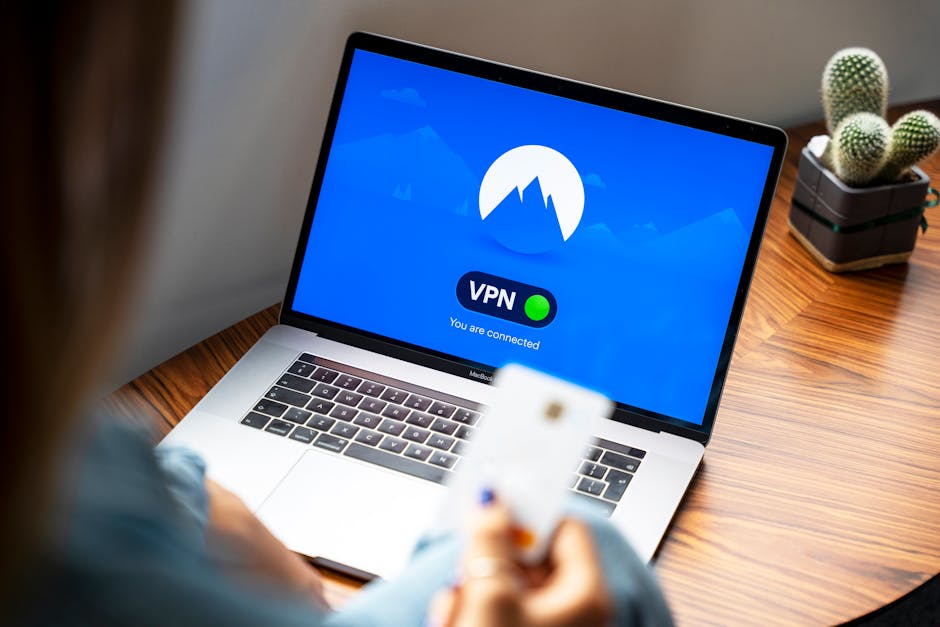
A Virtual Private Network (VPN) can be a valuable tool for enhancing your online privacy. It encrypts your internet connection, making it difficult for anyone to see what you’re doing online. Using a VPN can be especially helpful when using public Wi-Fi.
Conclusion
Online privacy is an essential aspect of our daily lives. The more we understand the threats and take proactive steps, the safer our online experiences will be. Remember, your information is valuable, and protecting it is your responsibility.