What Happened?
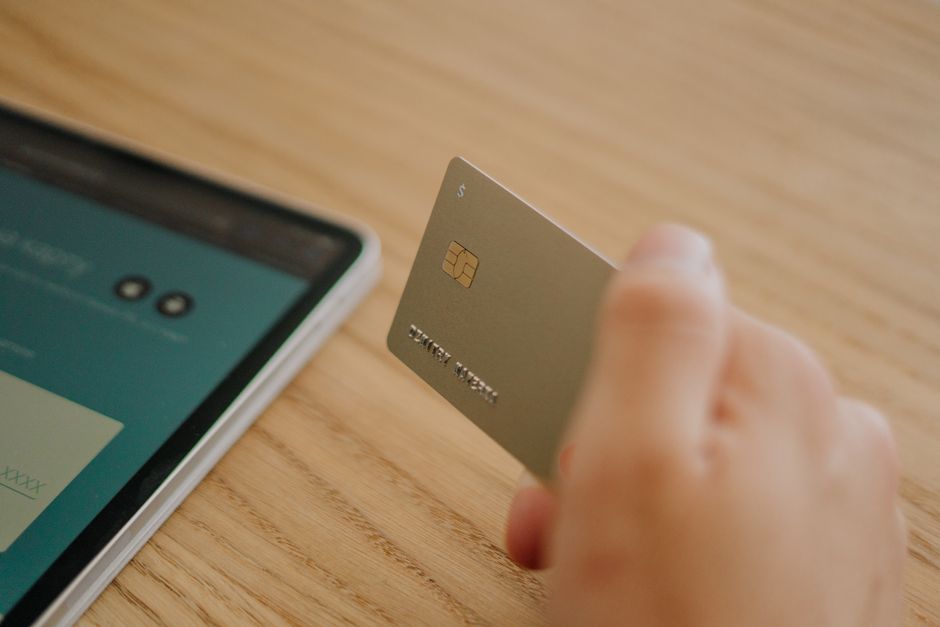
Recently, a new wave of phishing attacks has been sweeping across the internet, and it’s more clever than ever. These attacks impersonate trusted brands and organizations to trick individuals into revealing their personal information, such as passwords and credit card details.
Scammers are getting smarter. They are designing emails and messages that look almost identical to what you might receive from reputable banks, online stores, or service providers. Often, these messages urge you to take immediate action, like confirming an account or claiming a prize, creating a sense of urgency.
Why Should You Care?
You might wonder why this should concern you. Well, phishing can lead to serious consequences, including identity theft, significant financial loss, and damage to your reputation. Once a scammer has your information, they can use it to drain your bank account, rack up charges on your credit cards, or worse, open new accounts in your name.
Moreover, these attacks are becoming more sophisticated, making it harder for everyday people to spot them. Understanding how they operate is crucial in today’s digital world.
How to Protect Yourself
- Be Skeptical of Unexpected Messages: If you receive an unsolicited email or text message from a company asking for personal information, think twice. Always verify through the official website or customer service.
- Check the Email Address: Scammers often use email addresses that look like legitimate ones at first glance. Look for subtle misspellings or unusual domains.
- Look for Grammar Errors: Many phishing attempts contain grammar mistakes or awkward phrasing. If an email seems off, it might be a scam.
- Use Two-Factor Authentication: This adds an extra layer of security. Even if someone gets your password, they won’t be able to access your account without a second verification step.
- Keep Your Software Updated: Ensure that your operating system, antivirus software, and apps are always up to date. Developers often release updates to protect against the latest threats.
- Trust Your Instincts: If something feels wrong, it probably is. Trust your gut and don’t take unnecessary risks.
Final Thoughts
Phishing scams may be on the rise, but by staying informed and taking proactive measures, you can protect yourself. Always be cautious online, and remember that when in doubt, it’s better to double-check than to risk falling for a scam. Stay safe on the internet, and keep your personal information safe!
Source: Original Article