What Happened?
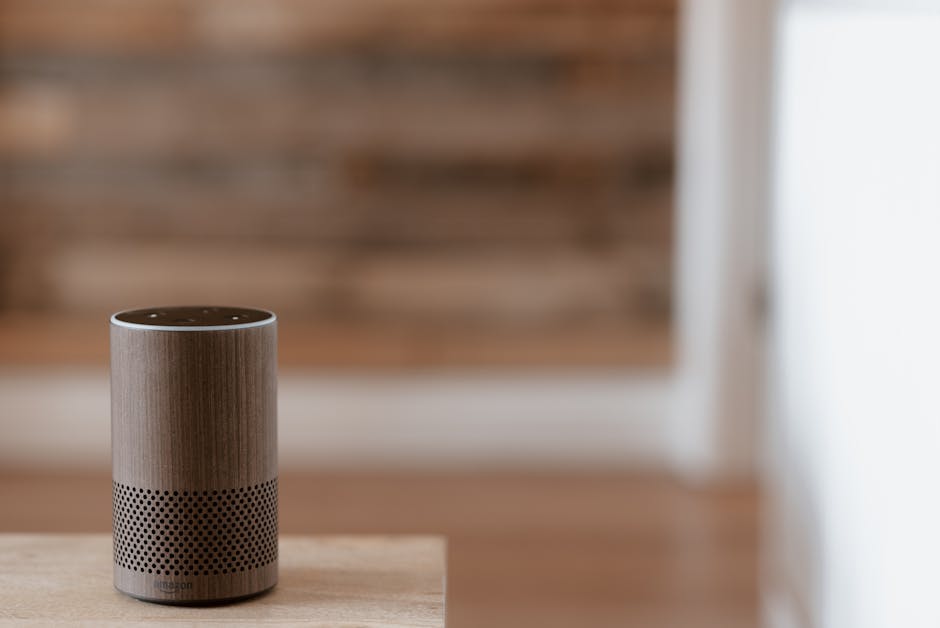
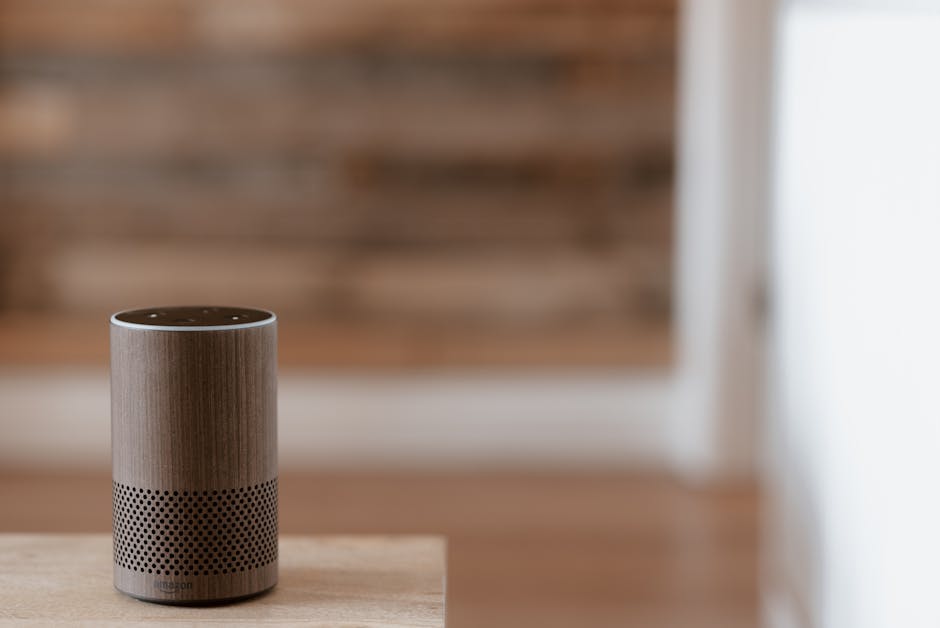
Recently, a significant security issue came to light involving popular smart devices, particularly those that connect to the internet. It turns out that some of these gadgets may be collecting more personal information than we ever imagined. This isn’t just about smart speakers that respond to voice commands; it also includes items like smart TVs and even wearable fitness trackers.
Researchers found that many of these devices have vulnerabilities that could allow hackers to access sensitive data without your knowledge. Many of us have welcomed these gadgets into our homes, enjoying conveniences like hands-free control or real-time health monitoring. However, few of us consider what happens behind the scenes with our private information.
Why Should You Care?
This issue is important because it touches on several aspects of our daily lives – privacy, security, and trust. Having your data compromised can lead to identity theft or unwanted advertising, and in extreme cases, it could even put your safety at risk.
Imagine having your personal conversations recorded or your movements tracked without your consent. This isn’t just a plot for a movie; it’s a reality that many users face when they don’t secure their devices properly. It’s easy to think “it won’t happen to me,” but with the increasing number of connected devices in our homes, the risk is real.
How to Protect Yourself
Don’t worry, though! There are simple steps you can take to help safeguard your information and enjoy your smart devices with peace of mind. Here are a few important tips:
- Change Default Passwords: When you set up a new device, it typically comes with a default password. Make sure to change this as soon as you get it to a strong, unique password.
- Keep Software Updated: Always check for updates for your devices. Manufacturers regularly release updates that patch known vulnerabilities.
- Review Privacy Settings: Each device will have settings allowing you to control what data is collected and shared. Take the time to go through these settings to limit information sharing.
- Use a Secure Network: Ensure that your home Wi-Fi network is secure. A strong password and using encryption can help protect your devices from unauthorized access.
- Disconnect When Not in Use: If you have devices that are not frequently used, consider disconnecting them from the internet when they’re not active. This can minimize exposure to threats.
Final Thoughts
As technology continues to evolve, it’s crucial for us to stay informed about the potential threats to our privacy. By taking proactive measures, we can enjoy the benefits of technology without compromising our security.
Remember, being vigilant is key. The next time you bring a smart device into your home, think about how it could be affecting your privacy and what you can do to enhance your security. The convenience of these devices shouldn’t come at the cost of your personal safety!
Source: Original Article