
What Happened?
Recently, there has been a surge in phishing scams that are targeting unsuspecting individuals right in their email inboxes. These scams are becoming increasingly sophisticated, making it hard for even the most cautious internet users to spot them. Cybercriminals are using customized messages that appear to come from legitimate companies or contacts to trick you.
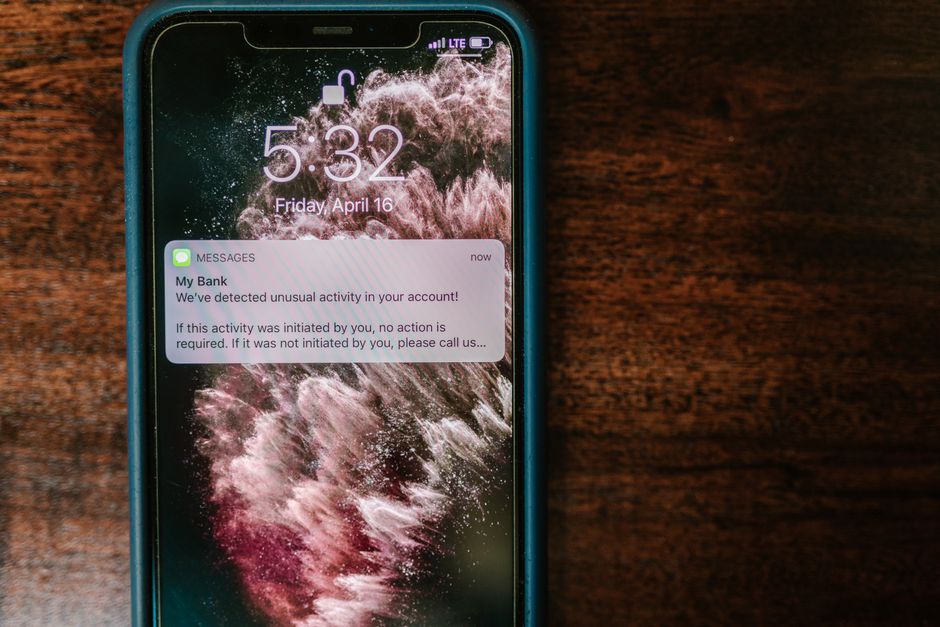
Many of these phishing attempts use urgent language to create a sense of panic or excitement. For instance, an email may claim that there’s an issue with your account and that you need to click a link to resolve it immediately. This tactic is designed to catch you off guard and prompt you to act without thinking.
Why Should You Care?
You might be wondering why this matters to you. The reason is simple: falling for a phishing scam can have serious consequences. If you click on the wrong link or provide personal information, you could put your bank account, credit card details, and other sensitive data at risk.
Cybercriminals can use this information to steal your identity, access your financial accounts, or even spread malware to your devices. As more people rely on email for both personal and professional communication, the stakes are higher than ever.
How to Protect Yourself
Protecting yourself from phishing scams is crucial, and there are several steps you can take to stay safe:
- Be Skeptical: Always question unexpected emails. If something feels off, it probably is.
- Check the Sender: Look closely at the email address. Scammers often use addresses that look similar to legitimate ones but may have small differences.
- Don’t Click Links: Instead of clicking links in emails, visit the company’s website directly by typing the address into your browser.
- Verify Requests: If an email seems to ask for sensitive information, contact the company directly using their official website or phone number to verify the request.
- Use Security Software: Make sure your devices have updated antivirus programs and firewalls to help protect against malicious attacks.
Final Thoughts
Staying informed about the latest phishing scams can help you avoid falling victim to these deceitful tactics. Remember, if an email ever seems suspicious or too good to be true, take a step back and double-check before taking any action. Your online safety is essential, and being cautious can save you from a lot of trouble down the line.
Source: Original Article