Introduction
Identity theft is a serious crime that affects millions of people every year. It’s when someone takes your personal information, like your name or social security number, and uses it without your permission. This can lead to huge financial losses and a lot of stress.
Why Identity Theft is a Big Deal
Imagine waking up to find your bank account emptied or getting a phone call from the police about a crime you didn’t commit. Identity theft can cause these terrifying situations. It’s not just about the money; it’s about the peace of mind that gets taken away when someone exploits your personal information.
How Does Identity Theft Happen?
Identity theft can occur in many ways. Here are some common methods:
- Phishing: Cybercriminals send fake emails or messages that look real, tricking you into giving them your information.
- Data Breaches: When companies storing your information get hacked, your data could be sold on the dark web.
- Dumpster Diving: Thieves look through your trash to find documents with your personal details.
- Skimming: Devices placed on ATMs or gas pumps can capture your card details unexpectedly.
Signs of Identity Theft
How can you tell if someone is using your identity? Here are some warning signs:
- You see unfamiliar charges on your credit card.
- You receive bills or statements for accounts you didn’t open.
- Your credit report shows unfamiliar accounts.
- You’re denied credit unexpectedly.
Recognizing these signs early can save you time and stress.
What to Do if You Become a Victim
If you suspect you’re a victim of identity theft, here are the steps you should take:
- Freeze Your Credit: Contact credit bureaus like Equifax, Experian, and TransUnion to freeze your credit. This prevents new accounts from being opened in your name.
- Report to the Authorities: File a report with your local police and the Federal Trade Commission (FTC). This can help prove that you are a victim.
- Check Your Accounts: Review bank statements and credit reports closely. Look for any irregularities.
- Notify Your Bank: If unauthorized transactions have occurred, inform your bank immediately.
Preventing Identity Theft
Prevention is always better than cure. Here are some ways to protect yourself:
- Use Strong Passwords: Make sure your passwords are complex and unique. Avoid using easily guessed information.
- Enable Two-Factor Authentication: This adds an extra layer of security to your accounts, requiring a second form of verification.
- Be Cautious Online: Don’t click on suspicious links or share personal information on insecure sites.
- Shred Documents: Always shred important paperwork before tossing it away to prevent dumpster diving.
Taking these preventive measures can make a big difference.
How to Handle Your Information Online
In today’s world, we’re constantly sharing information online. Here are some tips for doing it safely:
- Limit Sharing: Only share personal information when absolutely necessary. The less you share, the less there is to steal.
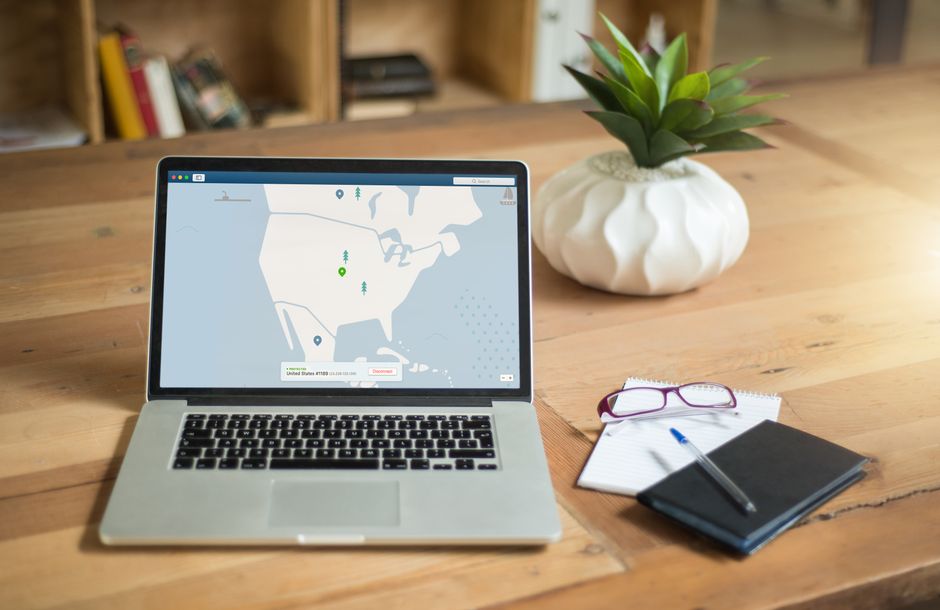
- Use Private Networks: Avoid public Wi-Fi networks when accessing sensitive information. Use a Virtual Private Network (VPN) instead.
- Keep Software Updated: Regularly update your software and apps to protect against vulnerabilities.
Conclusion
Identity theft can happen to anyone, but staying informed and proactive can help you avoid it. Regularly monitor your accounts, use strong passwords, and be cautious about sharing personal information. Remember, your identity is priceless, so treat it with care!