
Introduction
Have you ever felt that little twinge of fear when you hear the term data breach? You’re not alone! Data breaches are becoming more common, and they can affect anyone, from large corporations to everyday people like you and me.
In this blog post, we’ll break down what a data breach is, why they happen, and how you can protect yourself. Understanding this topic is essential in today’s digital world, so let’s dive in!
What is a Data Breach?
A data breach occurs when unauthorized individuals gain access to sensitive information. This can include your personal details, like social security numbers, credit card information, or even passwords.
Once someone has your data, they can use it for various purposes, like identity theft or fraud. It’s alarming to think about, but knowledge is power!
Why Do Data Breaches Happen?
Data breaches can happen for several reasons. Here are the most common causes:
- Hacking: Cybercriminals often try to hack into databases of companies to steal data.
- Human Error: Sometimes, employees might accidentally send sensitive information to the wrong person.
- Malware: Malicious software can be used to access information without anyone noticing.
- Physical Theft: Stolen devices such as laptops can lead to data breaches if they’re not properly secured.
Recent Examples and Trends
It’s not just a fear; data breaches are happening all around us. For example, large companies like Target, Yahoo, and Equifax have all faced significant data breaches in recent years. Millions of people’s personal data was compromised!
In fact, a study showed that a data breach happens every few seconds. It’s a chilling thought. The more connected we are, the more data we share; therefore, the risks increase.
How to Protect Yourself from Data Breaches
Now that we understand the risks, let’s talk about how you can protect yourself. Here are some simple steps:
- Strong Passwords: Use complex passwords that mix letters, numbers, and symbols.
- Two-Factor Authentication: This adds an extra layer of security by requiring a second form of verification, like a text message code.
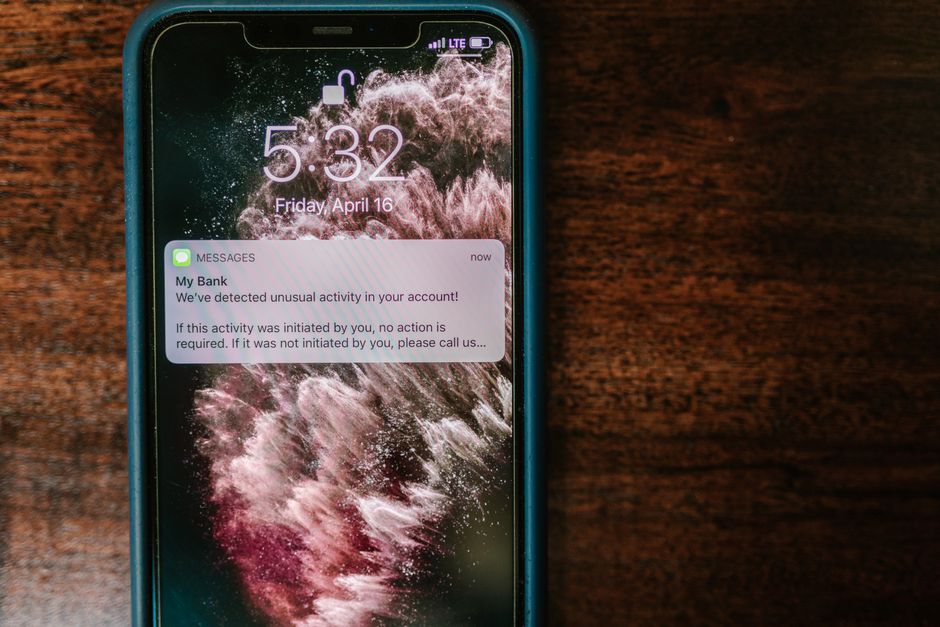
- Monitor Your Accounts: Regularly check your bank statements and online accounts for suspicious activity.
- Be Cautious With Personal Information: Share less information online and be mindful of what you post on social media.
Implementing these practices can significantly reduce your risk of falling victim to a data breach.
What to Do if You Experience a Data Breach
Even with precautions, sometimes data breaches happen. Here’s what to do:
- Change Your Passwords: If you suspect your data has been compromised, change your passwords immediately.
- Alert Your Bank: Inform your bank or credit provider about the breach so they can monitor your account for fraudulent activity.
- Use a Credit Monitoring Service: These services can alert you to any changes in your credit report.
- Freeze Your Credit: If necessary, consider freezing your credit. This makes it harder for anyone to open new accounts in your name.
Don’t panic; instead, take action!
The Future of Data Security
The world of cybersecurity is continually evolving. As technology develops, so do the tactics of cybercriminals. However, so does the technology for protecting our data.
Staying informed about data breaches and cybersecurity trends is vital. By educating ourselves, we can better defend against potential threats.
Conclusion
In conclusion, data breaches are a serious issue, but with the right knowledge and measures, you can protect yourself. Remember, the digital world can be risky, but it’s not all doom and gloom!
Stay updated, stay vigilant, and take proactive steps to secure your personal information. Your data is valuable; treat it as such!