
What Happened?
Recently, several big-name companies became victims of a significant cyber attack. Cybercriminals penetrated their systems, stealing sensitive data and disrupting their operations. It seems that these attacks are becoming common, raising alarms across various sectors of the economy.
These hackers used advanced techniques to breach security measures, highlighting the constant battle between hackers and companies striving to protect their digital assets. Companies affected by this incident are now scrambling to fix vulnerabilities and reassure customers that their information is safe.
Why Should You Care?
You might wonder why this matters to you. Well, when large companies experience data breaches, it can directly affect you as a consumer. Your personal information, such as email addresses, passwords, and credit card numbers, could be at risk. Beyond personal details, such attacks can lead to greater issues like stalled services and increased costs for consumers.
Cyber attacks have a ripple effect; they can cause stock prices to tumble and lead to job losses. If companies lose trust from their customers, it can impact their bottom line and, by extension, the economy. So, understanding these issues will help you make better choices about where and how you share your information.
How to Protect Yourself
It’s crucial to take steps to safeguard your personal data. Here are some simple yet effective actions you can take:
- Use Strong Passwords: Create complex passwords that include numbers, symbols, and a mix of uppercase and lowercase letters.
- Enable Two-Factor Authentication: This adds an extra layer of protection: even if someone gets your password, they would still need a second form of verification to access your account.
- Monitor Your Accounts: Regularly check your bank and credit accounts for unauthorized transactions.
- Stay Informed: Keep up with news about data breaches. Companies usually announce when they’ve been hacked, and knowing this can help you take immediate action.
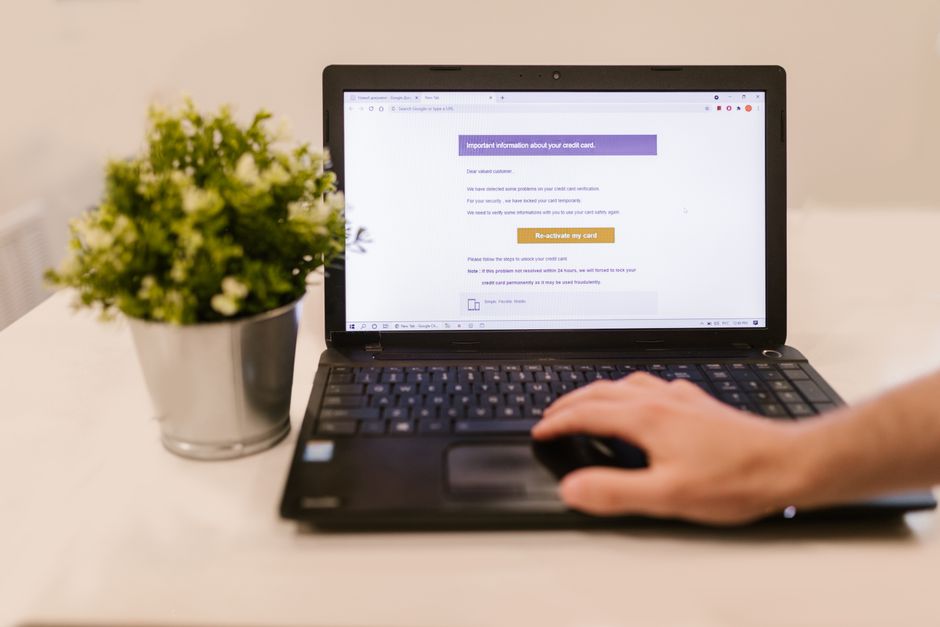
- Be Wary of Phishing Scams: Don’t click on links in emails or messages from unknown sources. These can be attempts to steal your personal information.
- Use Antivirus Software: Protect your devices by installing trusted security software that can help detect and remove malware.
Final Thoughts
Cybersecurity is a shared responsibility. While companies are working hard to protect your data, you must also take precautionary steps to keep your information secure. Cyber attacks may be on the rise, but being informed can help you navigate this landscape more safely.
Remember, a little vigilance can go a long way in safeguarding your personal information. By staying alert and adopting these practices, you can help minimize the risks posed by cybercriminals.
Source: Original Article