Introduction
Imagine your home without doors or windows; it would be an easy target for anyone. Data privacy is similar—it protects your personal information from prying eyes. In this digital age, where everything is interconnected, knowing how to safeguard your data is crucial.
What Is Data Privacy?
Data privacy refers to how you manage, store, and share your personal information online. Every time you sign up for a service, you provide data, which companies can use in various ways. Understanding how your data is handled can help you make informed decisions.
Why Does Data Privacy Matter?
Data privacy is not just a buzzword; it’s essential for several reasons:
- Protection Against Theft: With increasing data breaches, protecting your data can prevent identity theft.
- Control Over Your Information: You should have the power to decide who sees your information.
- Trust: Companies that respect your privacy build stronger relationships with customers.
How Does Data Get Exposed?
Your information can be exposed in many ways:
- Data Breaches: These happen when hackers gain unauthorized access to a company’s database.
- Unsecured Websites: If a website doesn’t have HTTPS, your data might not be encrypted during transmission.
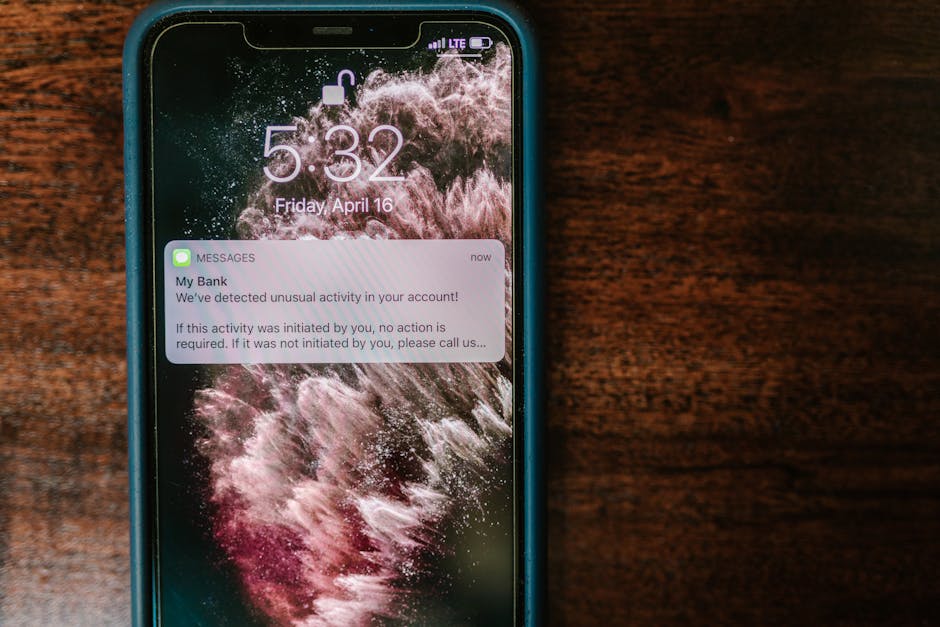
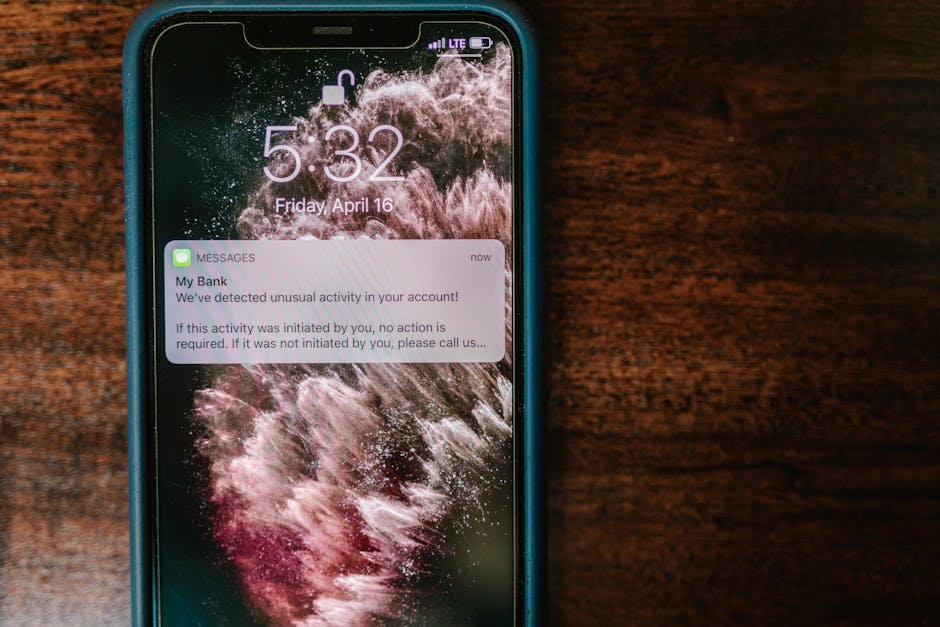
- Social Engineering: Scammers might trick you into giving away personal information through phishing attacks.
Practical Steps to Protect Your Data
Now that you understand the risks, let’s dive into some proactive measures you can take:
1. Use Strong Passwords
A strong password is your first line of defense. Use a mix of letters, numbers, and symbols. Avoid obvious choices like “123456” or “password”. Consider using a password manager to keep track of your different passwords securely.
2. Enable Two-Factor Authentication
Two-factor authentication (2FA) adds an extra layer of security. Even if someone gets your password, they won’t access your account without the second form of verification.
3. Be Cautious with Public Wi-Fi
Using public Wi-Fi can expose you to risks. Avoid accessing sensitive information when connected to unsecured networks. If you must use them, consider using a VPN to create a secure connection.
4. Regularly Review Privacy Settings
Often, websites and apps allow you to control your privacy settings. Regularly check them to ensure you’re comfortable with what data you’re sharing.
5. Be Skeptical of Phishing Attempts
If you receive an email or message asking for personal information, be suspicious. Always verify with the source before providing any details.
The Role of Legislation in Data Privacy
Governments around the world are starting to focus on data privacy. Laws like the General Data Protection Regulation (GDPR) in Europe have set high standards for how companies should handle data. While laws vary by country, they aim to protect consumers and hold companies accountable.
What to Do If Your Data Is Compromised
If you suspect that your data has been compromised, act quickly. Change your passwords immediately. Monitor your accounts for suspicious activity. You might also consider placing a fraud alert on your credit reports or even freezing them.
Conclusion
Protecting your data privacy is like safeguarding your home. It requires vigilance and proactive measures. By understanding the risks and implementing these strategies, you can help ensure that your personal information remains secure. Remember, in the digital world, being informed is one of your best defenses.