What Happened?
You might think that the internet is a fun place for browsing, shopping, and connecting with friends. But did you know that some of your favorite websites might not be as safe as they seem? Recently, a major online survey revealed that more than 4,000 popular websites are at risk of being hacked. This startling news highlights how common website vulnerabilities can be.
Security researchers investigated various sites and discovered that many of them do not follow basic security practices. These issues could allow cybercriminals to exploit them and steal your private information. From financial details to personal messages, what you share online could be at risk!
Why Should You Care?
You may wonder why this matters to you as an everyday internet user. Well, it’s essential to understand that if these websites get hacked, your valuable personal information might be at stake. The consequences of such breaches can be severe, leading to identity theft or fraud.
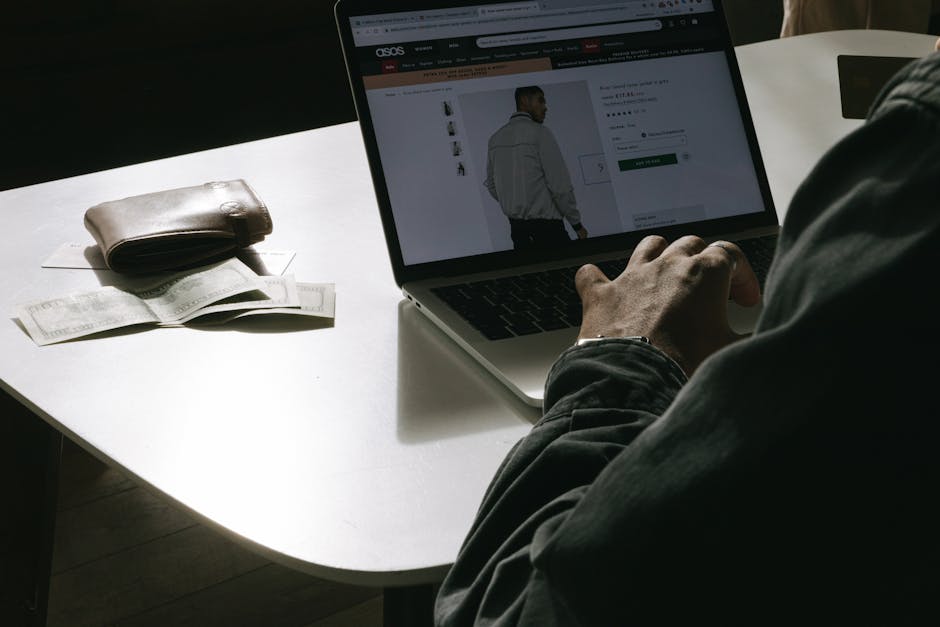
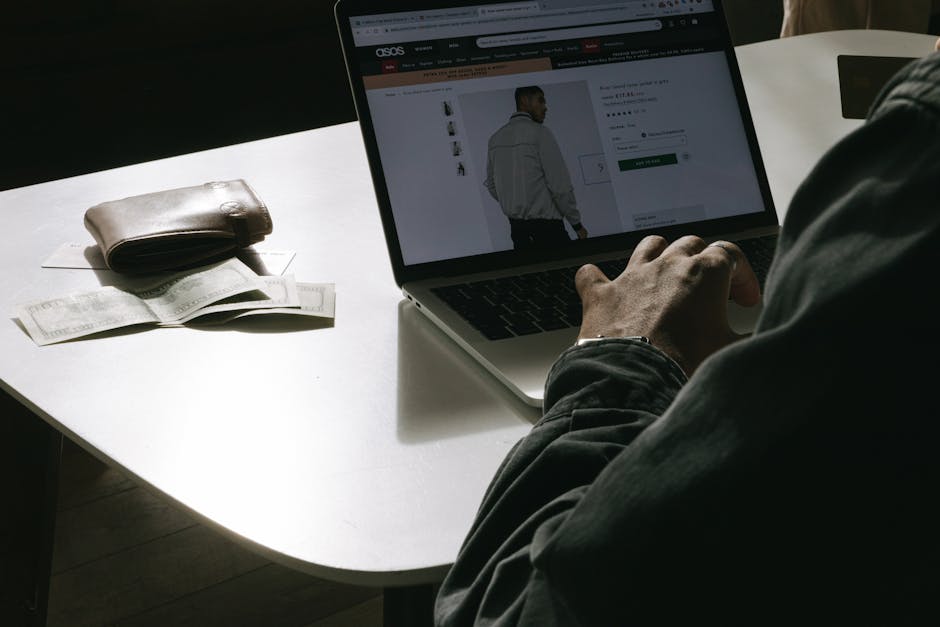
Imagine logging onto a shopping site where you’ve saved your credit card information. If that site gets hacked, cybercriminals could easily access that information. As technology continues to evolve, so do the methods that bad actors use to steal your data. That’s why staying informed can help you protect yourself!
How to Protect Yourself
So, what can you do to stay safe while browsing the internet? Fortunately, there are several steps you can follow to keep your information secure:
- Use Strong Passwords: Always create complex passwords that include letters, numbers, and symbols. Avoid using easily guessable information like birthdays or names.
- Enable Two-Factor Authentication: If a website offers it, make sure to use it. This adds an extra layer of security by requiring a second form of verification.
- Be Cautious with Personal Information: Think twice before sharing your personal details. Only provide information that is essential and ensure the website is trustworthy.
- Look for HTTPS: Before entering any sensitive information, check that the web address starts with ‘https://’. The ‘s’ means it’s secure.
- Regularly Monitor Financial Statements: Keep an eye on your bank account and credit card statements for any unusual activity.
Final Thoughts
While the internet offers countless opportunities for learning, shopping, and connecting with others, it also presents inherent risks. The revelation that thousands of popular websites may be vulnerable is a call to action for all of us.
By taking small steps, you can help protect yourself from potential cyber threats. In a world where technology is the backbone of our daily lives, staying informed and vigilant is crucial. Remember, being proactive about your online security can save you a lot of trouble down the road!
Source: Original Article