
Introduction
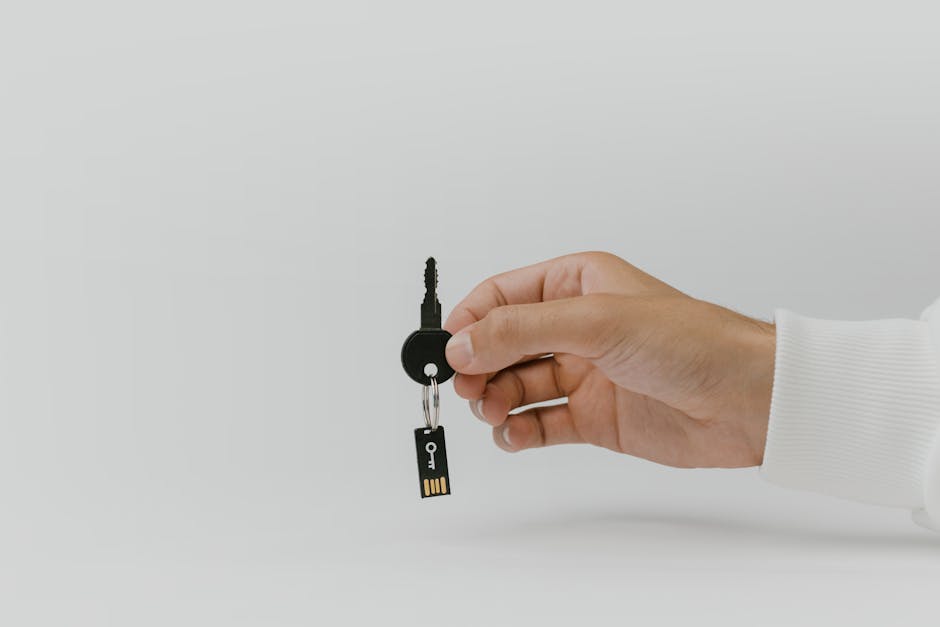
In today’s world, where everything is online, your passwords are like keys to your home.
Just as you wouldn’t give your keys to a stranger, you shouldn’t take your passwords lightly.
Why Password Security Matters
Password security is vital because weak passwords can lead to identity theft, unauthorized access, and even financial loss.
With cyberattacks becoming more common, ensuring strong passwords is a simple yet effective line of defense.
Characteristics of a Strong Password
A robust password should be long, complex, and unique. Here are some key characteristics:
- Length: Aim for at least 12-16 characters.
- Complexity: Combine uppercase, lowercase, numbers, and symbols.
- Uniqueness: Don’t reuse passwords across different accounts.
How to Create Strong Passwords
Creating a strong password doesn’t have to be a chore. Here are some tips to make it easier:
- Passphrase: Use a simple sentence or phrase that’s easy to remember but hard for others to guess.
- Substitutions: Replace some letters with numbers or symbols, like ‘E’ with ‘3’ or ‘A’ with ‘@’.
- Be Personal: Include personal references that are only known to you.
The Role of Password Managers
If remembering dozens of complex passwords sounds overwhelming, you’re not alone!
This is where a password manager comes in handy.
Password managers securely store your passwords and can even generate strong ones for you.
Benefits of Using a Password Manager
- Convenience: One master password gives you access to all your accounts.
- Security: Many password managers offer encryption to keep your data safe.
- Password Sharing: You can share your passwords securely with trusted contacts.
Common Password Security Mistakes
Even the best of us can slip up. Here are some common mistakes to avoid:
- Using the Same Password: Reusing passwords for multiple accounts is risky.
- Neglecting Two-Factor Authentication: Always enable two-factor authentication where possible.
- Ignoring Updates: Keep your passwords updated regularly.
How to Recover From a Security Breach
Even if you’re careful, there’s always a chance of a breach. Here’s what to do if you suspect your password has been compromised:
- Change Your Password: Immediately change the password for the affected account.
- Monitor Your Accounts: Keep an eye on your bank transactions and credit reports.
- Inform Your Contacts: Let people know not to open suspicious messages from your account.
Conclusion
Password security might seem trivial, but it’s one of the easiest ways to protect yourself online.
By following these simple steps, you can keep your digital life secure and worry less about cyber threats.
Remember: your passwords are the keys to your world, so guard them wisely!