
What Happened?
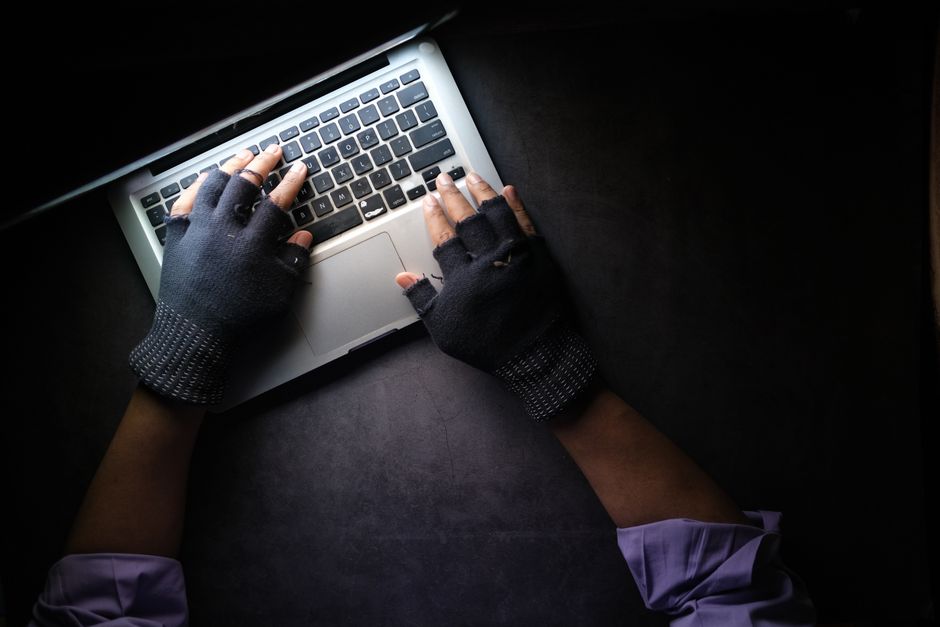
Recently, a new wave of phishing attacks has emerged, aiming to trick people into giving away their personal information. This type of cybercrime is becoming increasingly sophisticated, making it harder for individuals to recognize the danger.
In simple terms, phishing is like a baited hook. Scammers send emails or messages that seem legitimate, but their real goal is to access your sensitive data, such as passwords and bank details. They create fake websites that mirror real ones, so users may not even realize they are being deceived.
Why Should You Care?
Phishing attacks can happen to anyone, including you. If you’re not careful, you could easily fall prey to these scams. The consequences of a successful attack can be severe, including financial loss and identity theft.
Many people think, “It won’t happen to me,” but the sad reality is that everyone is a potential target. Phishing is one of the easiest ways for hackers to breach security systems and steal information. So, staying informed is your best defense.
How to Protect Yourself
- Be Skeptical of Unknown Emails: Always question emails from unknown senders, especially if they ask for personal information or urge you to click on a link.
- Check the Sender’s Email Address: Scammers often use fake email addresses that look similar to legitimate ones. Always double-check.
- Hover Over Links: Before clicking, hover your mouse over links to see the actual URL. If it looks suspicious, don’t click it.
- Use Two-Factor Authentication: This adds an extra layer of security by requiring not just a password, but also another piece of information, like a code sent to your phone.
- Install a Good Security Software: Reliable antivirus software can help identify and block potential phishing attempts.
Final Thoughts
Phishing scams are a serious threat in our digital world, but being aware and cautious can help protect you from becoming a victim. Always remember to stay informed about the latest tactics used by scammers.
By following the steps outlined above, you can significantly reduce your risk of falling for a phishing attack. Stay safe and be smart with your information!
Source: Original Article