Introduction
In today’s digital age, our online presence is more significant than ever. From shopping to social media, we share countless details about our lives. But have you ever stopped to think about who is watching? Your online privacy might be at risk, and it’s time to shine a light on it.
What Is Online Privacy?
Online privacy refers to the ability to keep your personal information safe while using the internet. This includes everything from your browsing history to your emails, and even your social media posts. When privacy is compromised, it can lead to serious issues like identity theft or unauthorized access to your accounts.
Why Should You Care?
Understanding why online privacy matters can help motivate you to take action. Here are a few reasons:
- Protect Your Personal Information: Your name, address, phone number, and financial details should remain confidential.
- Avoid Identity Theft: Cybercriminals can use your information to impersonate you.
- Control Your Digital Footprint: You should have the power to decide what information you want to share.
Common Threats to Your Online Privacy
There are many ways that your online privacy can be compromised. Here are some common threats:
- Trackers and Cookies: Websites often use trackers to gather information about your browsing habits. While they help improve your experience, they can also infringe on your privacy.
- Data Breaches: Companies sometimes suffer hacks, which can expose your personal data to the public.
- Phishing Scams: These tricks lure you into providing personal information often through fake emails or websites.
What Can You Do About It?
The good news is that there are many steps you can take to protect your online privacy. Here are some practical tips to get started:
1. Use Strong, Unique Passwords
Having strong passwords is your first line of defense against unauthorized access. Avoid simple passwords like “123456” or “password.” Instead, create complex combinations of letters, numbers, and symbols.
Bonus Tip:
Consider using a password manager. These tools can help you generate and store strong passwords without needing to remember each one.
2. Enable Two-Factor Authentication (2FA)
2FA adds an extra layer of security by requiring two forms of verification before you can log in. This way, even if someone steals your password, they won’t be able to access your account without the second verification.
3. Be Cautious with Public Wi-Fi
While it’s tempting to connect to free Wi-Fi networks, these can be a breeding ground for cybercriminals. Avoid accessing sensitive information, like banking details, over public networks.
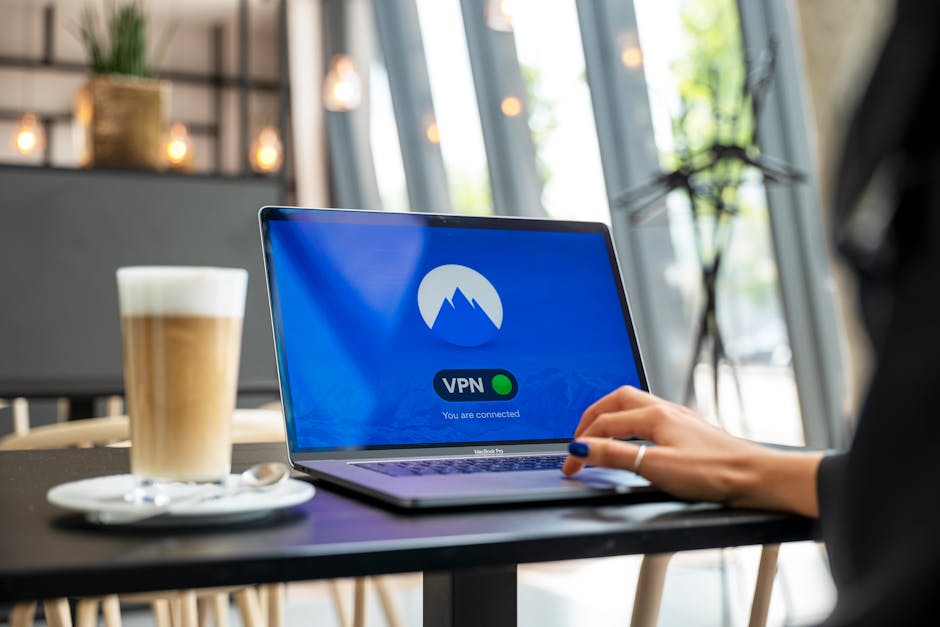
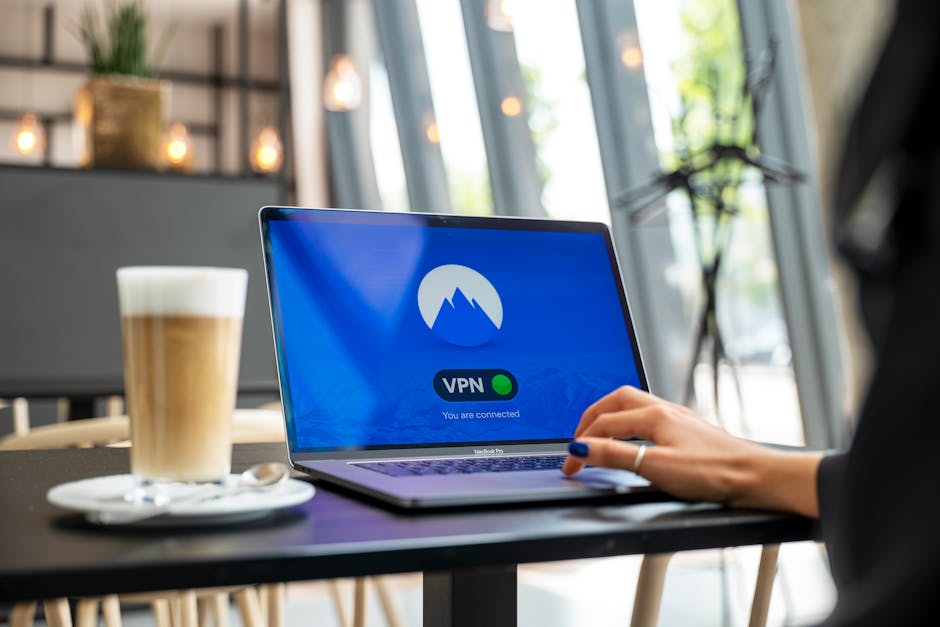
Use a Virtual Private Network (VPN):
Using a VPN encrypts your internet connection, making it much harder for anyone to intercept your data on public Wi-Fi.
4. Regularly Review Privacy Settings
Many online services allow you to adjust privacy settings. Take time to review and customize these settings according to your comfort level. This can include everything from limiting who sees your profile to turning off location tracking.
5. Stay Educated about Phishing Scams
Phishing threats come in many forms, such as emails, messages, or fake websites. Always double-check the sender’s email address and look for signs of scams, like poor grammar or unusual requests.
6. Monitor Your Accounts
Keep an eye on your bank and credit card statements for unauthorized transactions. If something looks fishy, report it immediately and take the necessary steps to protect your account.
Conclusion
Online privacy is crucial in our solidly connected world. By taking these steps, you can significantly enhance your privacy and protect your personal information. Remember, a little bit of caution goes a long way in keeping you safe from the dark corners of the internet. So, take charge today and light up your online privacy!