What Happened?
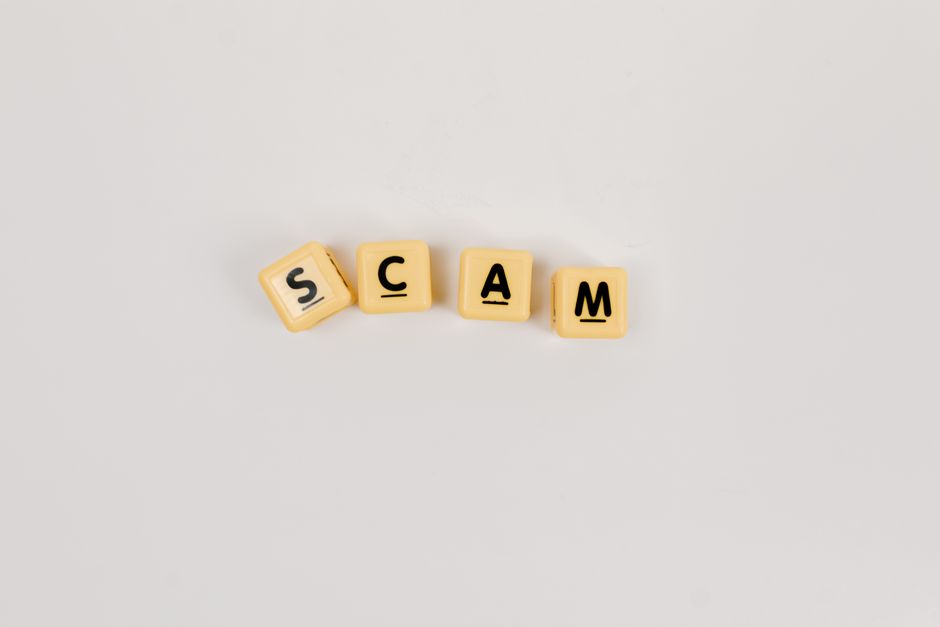
Recently, there’s been a surge in email scams targeting everyday people. These scams, often referred to as phishing, aim to trick individuals into revealing personal information or financial details. One of the most alarming trends is the use of realistic emails that appear to come from trusted sources, like banks or service providers.
Imagine checking your inbox and seeing an email from your bank, telling you there was suspicious activity on your account. The email urges you to click a link to verify your identity. It looks real, doesn’t it? But here’s the catch. Those links often lead to malicious websites designed to steal your information!
Why Should You Care?
You might wonder, why should this matter to me? Well, the reality is that anyone can fall victim to these scams, regardless of age or tech-savviness. Billions of dollars are lost each year because of these traps. When a scammer manages to access your bank account or steals your identity, the consequences can be devastating.
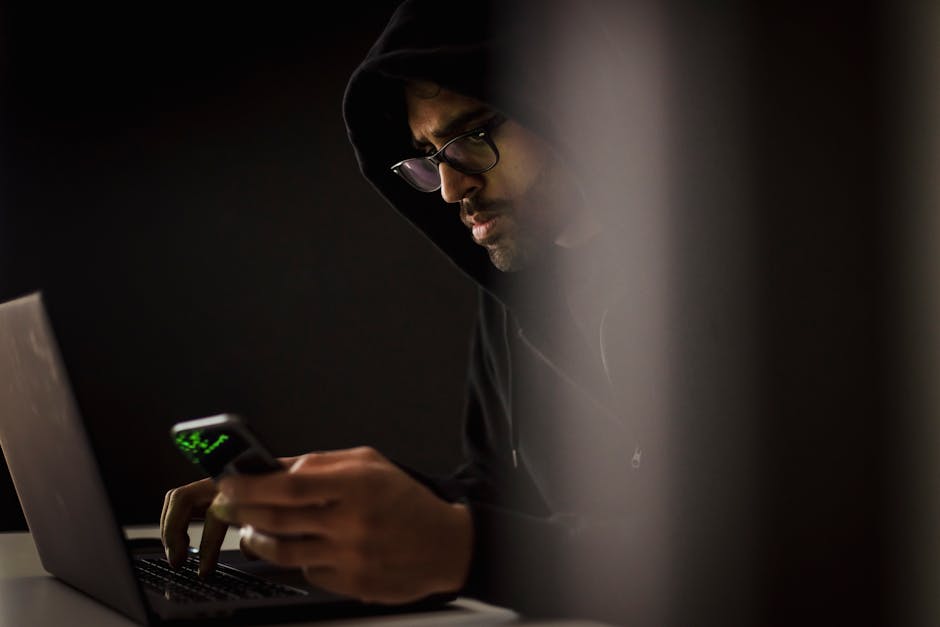
Furthermore, these phishing attempts can lead to secondary attacks —like ransomware, where your files are held hostage— once hackers gain a foothold in your system. So, being aware of these scams is crucial in protecting your personal and financial information.
How to Protect Yourself
- Be Skeptical of Unexpected Emails: If an email comes out of the blue, especially if it asks for personal or financial information, be cautious.
- Check the Email Address: Scammers often use similar-looking email addresses. For example, they might change a letter or add extra characters.
- Look for Grammatical Errors: Many phishing emails contain spelling and grammar mistakes. If something seems off, trust your instincts.
- Verify Directly: If you receive an email from your bank or service provider that seems suspicious, contact them directly for confirmation, but do not use the contact details from the email.
- Keep Software Updated: Regularly update your operating system, antivirus software, and web browsers to help defend against phishing attacks.
- Enable Two-Factor Authentication: This adds an extra layer of security to your accounts, making it harder for scammers to gain access.
Final Thoughts
At the end of the day, being aware of the risks is the first step in staying safe online. Phishing scams are becoming increasingly sophisticated, so it’s important to stay alert. By following the tips mentioned above, you can greatly reduce your chances of falling victim to these ruthless tactics.
Remember, your best defense is knowledge. Share this information with friends and family. Together, we can create a safer online environment for everyone!
Source: Original Article