Introduction
In today’s digital age, we’re constantly interacting with various online services. However, lurking in the shadows are cybercriminals looking to exploit our trust. One of their favorite techniques? Phishing scams. These deceptive schemes can trick you into giving away sensitive information, like passwords and credit card numbers.
What is Phishing?
At its core, phishing is a method used by cybercriminals to steal personal information. They do this by pretending to be trustworthy sources, like banks or popular websites. You might receive an email or a message that looks legitimate, urging you to take immediate action.
Types of Phishing Scams
Phishing comes in many forms. Here are some of the most common types:
- Email Phishing: This is the classic method. You receive an email that appears to come from a reputable source.
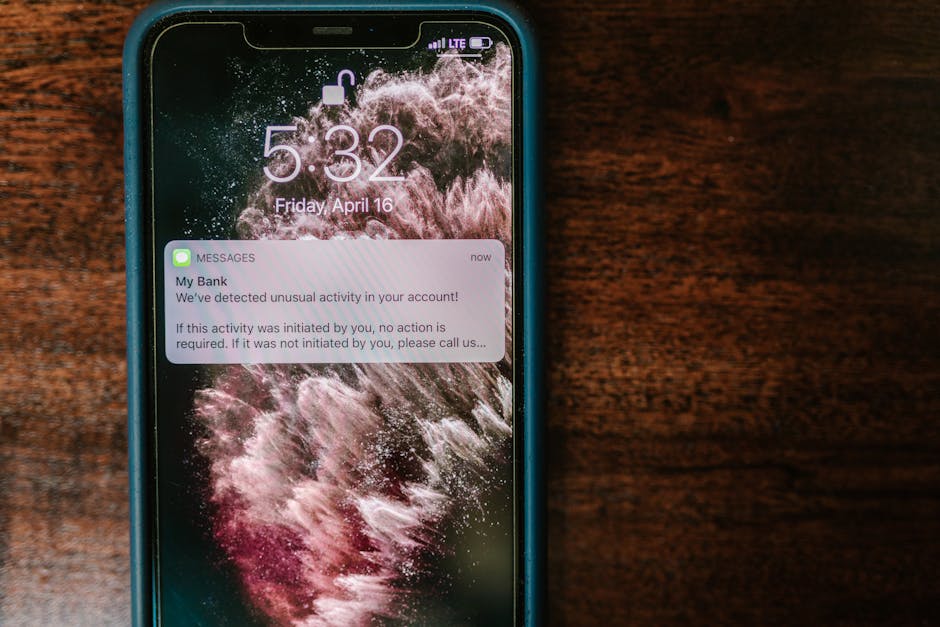
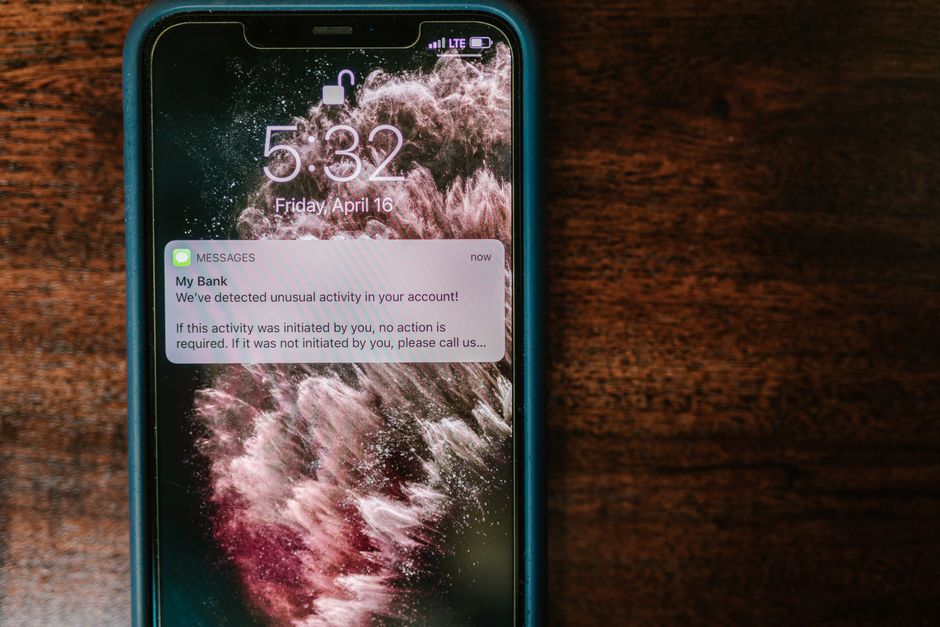
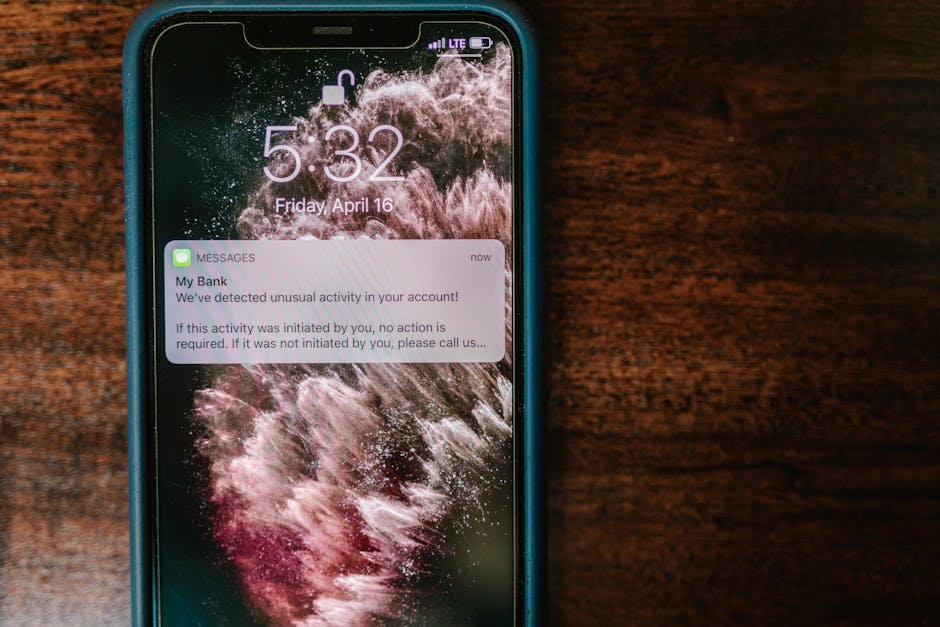
- SMS Phishing (Smishing): Cybercriminals send text messages that encourage you to click a dubious link.
- Voice Phishing (Vishing): Scammers call you, pretending to be from a legitimate company, to extract information.
- Whaling: This targets high-profile individuals, like executives, requiring a more tailored approach.
How to Identify Phishing Attempts
It’s important to be vigilant. Here are some signs that you might be dealing with a phishing attempt:
- Urgent Language: Scammers often create a false sense of urgency. They might say your account will be closed unless you act now.
- Suspicious Links: Hover over any links to see the actual URL. If it looks off, it’s probably a scam.
- Grammar Mistakes: Many phishing messages contain spelling and grammar errors. Legitimate companies usually proofread their communications.
What to Do If You Encounter Phishing
If you suspect an email or message is a phishing attempt, don’t panic! Here are steps you can take:
- Do Not Click: Avoid clicking any links or downloading attachments from the suspicious message.
- Verify the Source: If it claims to be from a legitimate company, call them directly to confirm.
- Report It: You can report phishing attempts to your email provider or relevant authorities.
Protecting Yourself from Phishing
Prevention is key! Here are some tips to protect yourself:
- Use Multi-Factor Authentication: This adds an extra layer of security beyond just a password.
- Educate Yourself: Stay informed about new phishing techniques and scams.
- Keep Software Updated: Ensure your antivirus software and devices are up-to-date to defend against malware.
Final Thoughts
Phishing scams can happen to anyone, but being aware and taking steps to protect yourself can minimize the risks. Remember, if something feels off, trust your instincts. And the best defense against these scams is being informed and cautious.