What Happened?
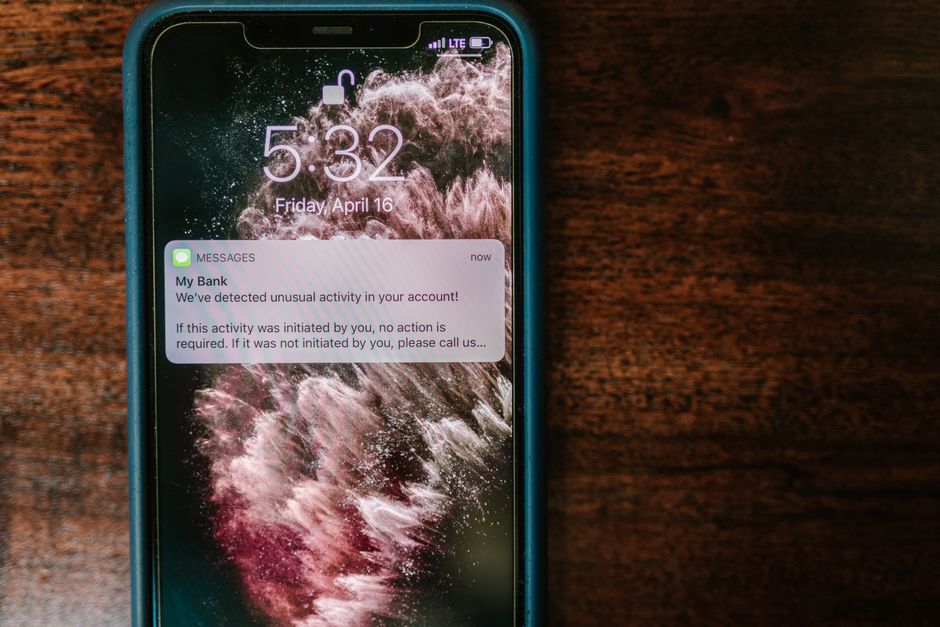
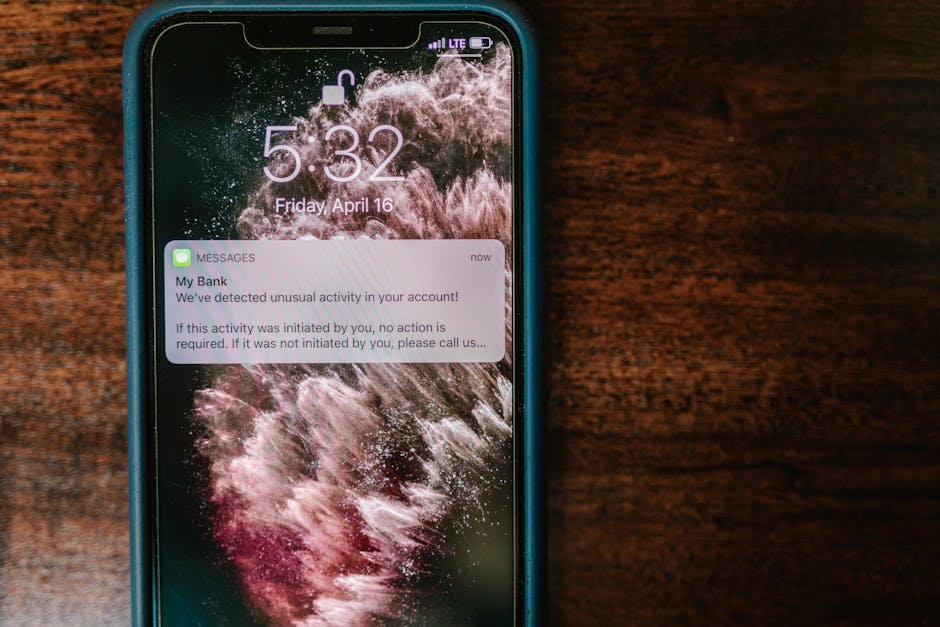
Recently, a dangerous new cyber scam has emerged, targeting unsuspecting individuals through everyday emails. This type of cyber attack is known as **phishing**. The scammers send emails that appear to be from legitimate sources, tricking recipients into clicking on harmful links or providing personal information.
In this latest incident, victims received emails that looked like they were from well-known companies, asking them to verify their account details or claiming there was an issue with their service. When victims clicked the link, they were directed to a fake website that mirrored the real company’s site.
Once there, many individuals unknowingly gave away sensitive information. This could include passwords, credit card numbers, or even social security numbers. Such incidents highlight how crucial it is to stay alert and informed about these tactics.
Why Should You Care?
You might wonder why this matters to you. The reality is that **anyone** can fall victim to these scams. Cyber criminals are constantly evolving their methods to catch people off guard. The convenience of the online world makes it especially easy for people to trust emails without thinking twice.
When personal information is compromised, it can lead to financial loss, identity theft, and a whole lot of stress trying to reclaim what was taken. Imagine waking up one day to find your bank account drained or discovering that someone has taken out loans in your name.
Additionally, on a larger scale, these scams contribute to a rise in criminal activities online, affecting businesses and individuals alike. By learning about these threats, you can protect yourself and those around you.
How to Protect Yourself
- Be Wary of Unsolicited Emails: If you receive an email that you weren’t expecting, especially one that asks for personal information, think twice before clicking on any links.
- Check the Email Address: Scammers often use addresses that look similar to legitimate ones. Always look closely at the sender’s email to ensure it’s correct.
- Look for Red Flags: Poor grammar, urgent language, and generic greetings can be signs of a phishing email. Legitimate companies usually communicate in a professional manner.
- Never Share Personal Information: No legitimate company will ask for sensitive information over email. If you feel uncertain, contact the company directly using a phone number or website you trust.
- Enable Two-Factor Authentication: This adds an extra layer of security to your online accounts. Even if someone gets your password, they would still need a second form of verification to access your account.
- Educate Yourself and Others: Keeping yourself informed is key. Sharing knowledge about scams with family and friends helps build a community of awareness.
Final Thoughts
In today’s digital age, protecting yourself from cyber scams is more important than ever. As technology advances, so do the tactics used by scammers. Being informed, cautious, and proactive can significantly reduce your risk of falling victim to malicious attacks.
Stay smart online and remember that it’s always better to be safe than sorry. If something feels off about an email or a message, trust your instincts. Together, we can make the internet a safer place for everyone!
Source: Original Article