
Introduction
In today’s digital age, we all rely on the internet for everything—from banking to shopping to staying connected with friends. But with all this convenience comes a pressing concern: data breaches. These incidents can expose our personal information, leading to identity theft and financial loss. So, what exactly is a data breach, and how can we protect ourselves?
What Is a Data Breach?
A data breach occurs when unauthorized individuals gain access to sensitive information. This can include passwords, credit card numbers, emails, and even social security numbers. Often, this happens through hacking, but it can also result from lost or stolen devices, employee negligence, or physical break-ins.
Why Are Data Breaches So Serious?
Data breaches can have serious consequences, not just for companies but for everyday individuals as well. When your personal information is exposed, it can be used against you in various ways:
- Identity Theft: Thieves can open accounts in your name, leading to financial issues and a damaged credit score.
- Financial Fraud: Your credit card information can be used to make unauthorized purchases.
- Reputation Damage: If sensitive personal information is leaked, it can harm your relationships and career.
How Do Data Breaches Happen?
Understanding how data breaches occur is crucial in preventing them. Here are some common methods:
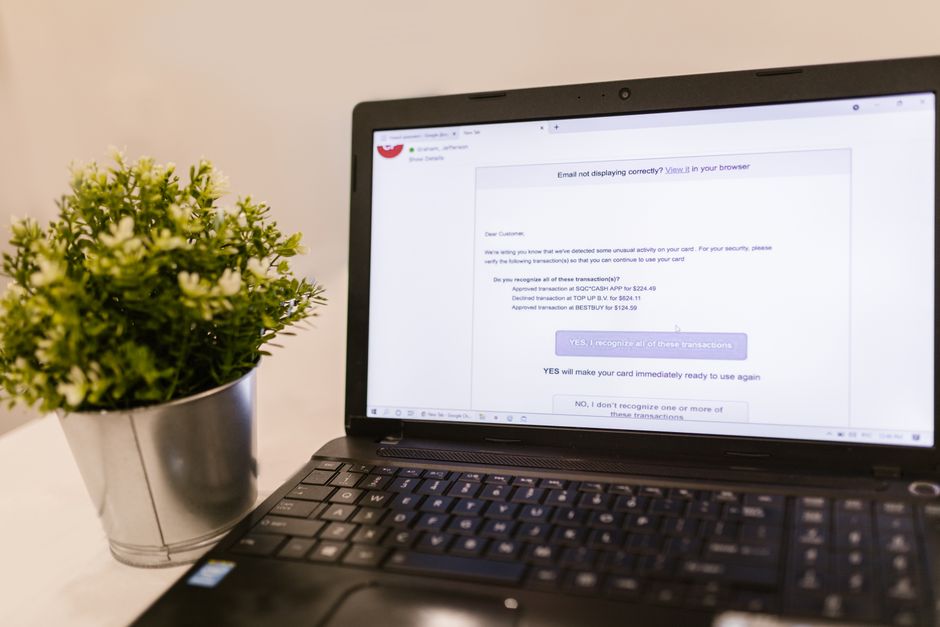
- Phishing Attacks: Cybercriminals send emails pretending to be legitimate companies, tricking you into giving away personal information.
- Weak Passwords: Using simple or common passwords makes it easier for hackers to gain entry to your accounts.
- Data Storage Vulnerabilities: If companies don’t secure their data properly, hackers can exploit these weaknesses.
Real-Life Examples of Data Breaches
Data breaches can happen to anyone, and the impact can be felt worldwide. Here are a couple of notable examples:
- Equifax Data Breach (2017): This major incident affected over 147 million people. Hackers accessed sensitive data like social security numbers and credit card information.
- Yahoo Data Breaches (2013-2014): A series of breaches that compromised all 3 billion Yahoo accounts, exposing everything from email addresses to security questions.
How to Protect Yourself from Data Breaches
Knowing the potential risks is half the battle. Here are some practical tips to help safeguard your personal information:
- Use Strong Passwords: Create complex passwords that include a mix of letters, numbers, and symbols. Avoid using easily guessable information like birthdays or names.
- Enable Two-Factor Authentication: This adds an extra layer of security by requiring a second form of verification when logging in.
- Be Wary of Phishing Attempts: Don’t click on links or download attachments in unsolicited emails. Always verify the sender’s email address.
- Monitor Your Accounts: Regularly check your bank and credit accounts for unauthorized transactions.
- Utilize Security Software: Install antivirus software and keep it updated to help detect and prevent threats.
What to Do If Your Data Is Breached
If you suspect that your personal information has been compromised, it’s important to act quickly:
- Change Your Passwords: Update passwords for accounts that may be affected.
- Monitor Your Credit Reports: Look for unusual activity and consider placing a fraud alert on your credit report.
- Report Identity Theft: If you notice signs of identity theft, report it to the authorities immediately.
Conclusion
Data breaches are a growing concern in our digitally connected world. However, understanding what they are and how to protect yourself can help minimize the risks. By following the tips outlined above and staying informed, you can safeguard your personal information and enjoy the benefits of the internet with greater peace of mind. Stay safe online!