Introduction
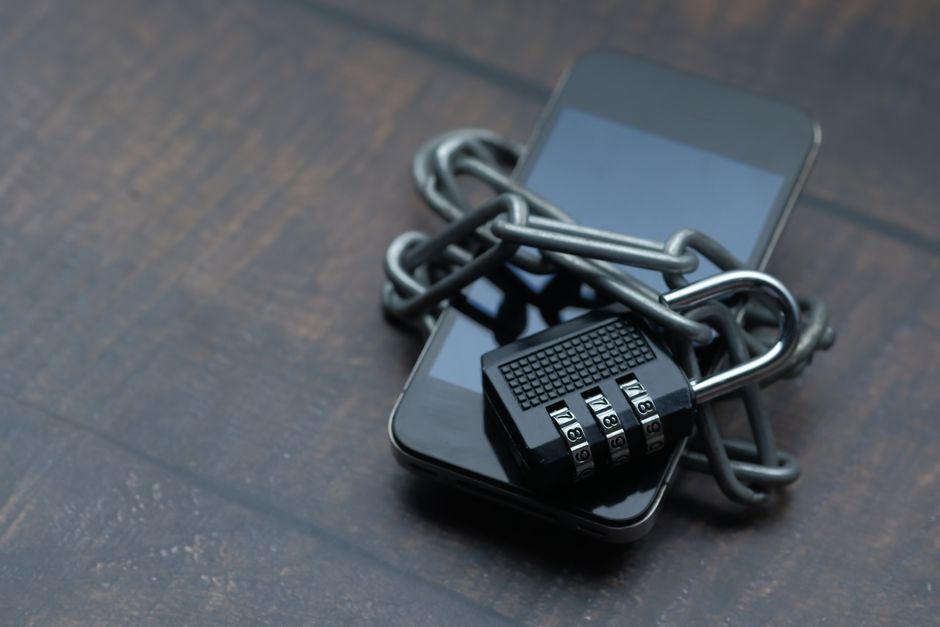
In today’s digital age, passwords are our first line of defense against cyber threats.
Unfortunately, many people still use weak passwords or, even worse, repeat the same password across multiple sites.
This can leave you vulnerable to attacks such as hacking and identity theft. In this article, we’ll dive into ten simple yet effective ways to protect your passwords and keep your information safe.
1. Use Strong Passwords
The first step in securing your accounts is to create strong passwords. A strong password should be:
- At least 12 characters long
- A mix of upper and lower case letters
- Includes numbers
- Has special symbols, like @ or #
Remember, the longer and more complex your password, the harder it is for others to crack!
2. Avoid Common Passwords
Steer clear of commonly used passwords such as “123456” or “password”. These are the first ones hackers will try.
Even something like your pet’s name or your birthday can be guessed, so think outside the box!
3. Use a Password Manager
If you struggle to remember your passwords, consider using a password manager.
These tools can help you generate and store complex passwords securely, so you’ll only need to remember one master password.
4. Enable Two-Factor Authentication
Two-factor authentication (2FA) adds an extra layer of security. It requires not just your password but also another piece of information.
This could be a code sent to your phone or an app like Google Authenticator. It makes it much harder for unauthorized users to access your accounts, even if they have your password!
5. Change Your Passwords Regularly
It’s a good idea to change your passwords periodically. Aim for every 3 to 6 months.
Doing this can help protect you from breaches since it minimizes the chances of hackers having ongoing access to your accounts.
6. Don’t Share Your Passwords
This may seem obvious, but don’t share your passwords with friends or family. Even if you trust them, it’s best to keep your passwords private.
If you must share access to an account, consider using features like temporary access links if they exist.
7. Beware of Phishing Attempts
Phishing is when someone tries to trick you into giving them your password by pretending to be a legitimate website or person.
Be cautious about clicking links in emails or texts, especially if they ask for sensitive information. Always check the email address and website before entering your credentials!
8. Log Out from Shared Devices
If you’re using a public or shared computer, always log out after you finish an online session.
This ensures that no one else can access your accounts. If possible, avoid logging into sensitive accounts on shared devices altogether.
9. Monitor Your Accounts Regularly
If you notice something odd, take action immediately, such as changing your password and reporting the issue.
10. Stay Informed
Cybersecurity is always changing, so stay current on best practices. Follow reputable blogs, news sites, or even cybersecurity newsletters.
Being informed will help you adapt and protect yourself against emerging threats.
Conclusion
In conclusion, keeping your passwords safe is essential for protecting your online presence. By following these ten tips, you can significantly reduce the risk of falling victim to cybercrime.
Remember, a strong password is just the beginning — combined with good practices and a proactive approach, you’ll be much safer online.
Stay secure!