Introduction
In today’s digital world, staying safe online has become more important than ever. You probably hear a lot about different security tools, but one that often comes up is the Virtual Private Network (VPN). But what exactly is a VPN, and why should you consider using one? Let’s dive into the ins and outs of VPNs and how they can help keep you safe.
What is a VPN?
A VPN, or Virtual Private Network, is a tool that creates a secure connection between your device and the internet. Think of it as a protective tunnel through which your data travels. This way, you can browse the web and access information without worrying about prying eyes watching your every move.
How Does a VPN Work?
When you connect to a VPN, it encrypts your data before it leaves your device. This means that even if someone intercepts your data, they won’t be able to read it without the encryption key. Moreover, the VPN server masks your IP address, making it seem like you’re browsing from a different location. This helps enhance your privacy.
Why Should You Use a VPN?
There are several compelling reasons why using a VPN is beneficial:
- Enhanced Privacy: Your online activities are hidden from hackers and advertisers.
- Secure Public Wi-Fi: Using a VPN on public Wi-Fi protects your sensitive information, which is especially important when accessing banking or personal accounts.
- Access Restricted Content: A VPN allows you to view shows and websites that might be blocked in your region.
- Data Security: VPNs protect your data from being stolen by cybercriminals.
Common Myths About VPNs
Despite their benefits, several myths about VPNs can lead to confusion:
- Myth 1: VPNs are only for tech-savvy users. Truth: VPNs are user-friendly and can be used easily, regardless of tech knowledge.
- Myth 2: You don’t need a VPN if you have antivirus software. Truth: While antivirus is important, a VPN adds an extra layer of protection for your online privacy.
- Myth 3: VPNs are too expensive. Truth: Many affordable options exist, and some are even free!
Choosing the Right VPN
When selecting a VPN, consider the following factors:
- Speed: Look for a service that doesn’t significantly slow down your internet connection.
- Privacy Policy: Check if the VPN has a strict no-logs policy, meaning they don’t keep records of your activity.
- Server Locations: More server options mean better chances of finding a fast connection.
- Ease of Use: Opt for a service that is easy to set up and navigate.
How to Use a VPN
Using a VPN is simple:
- Choose and subscribe to a VPN service.
- Download the VPN app on your device.
- Open the app and sign in.
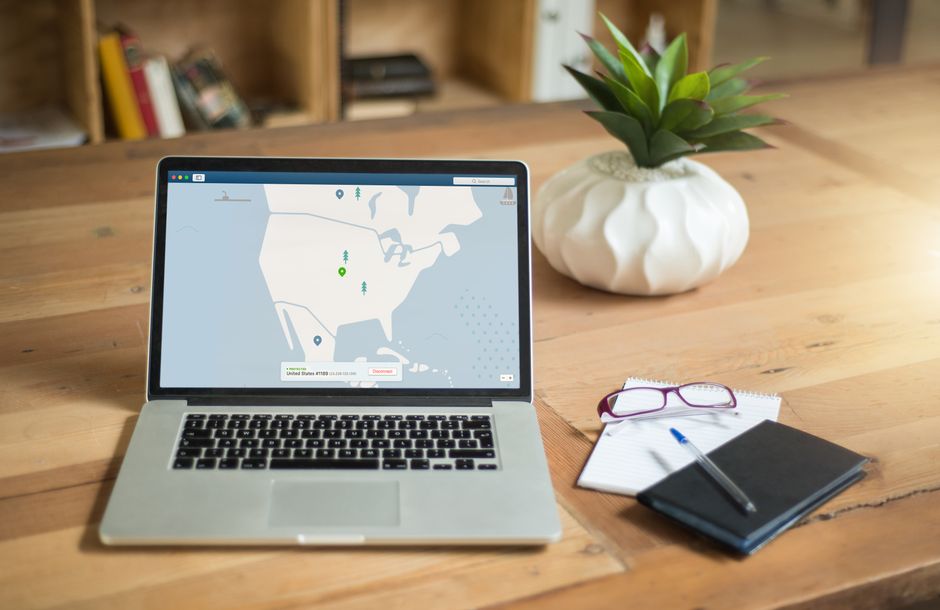
- Select the server location you prefer and connect.
- Once connected, you can browse safely!
Conclusion
In an age where online privacy is constantly under threat, using a VPN can give you peace of mind. By understanding and utilizing this tool, you are taking a significant step toward protecting your personal information. So, are you ready to explore the internet safely and securely with a VPN?