Introduction
We all use passwords every day. From our email accounts to social media and online banking, passwords are gatekeepers to our personal information. However, many people still use weak passwords, making it easier for hackers to gain access. In this blog post, we’ll explore why strong passwords are essential and how to create and manage them effectively.
Why Passwords Matter
Passwords are the first line of defense against cyber attacks. Think of your password like the key to your house. Would you use a flimsy key that anyone could copy?
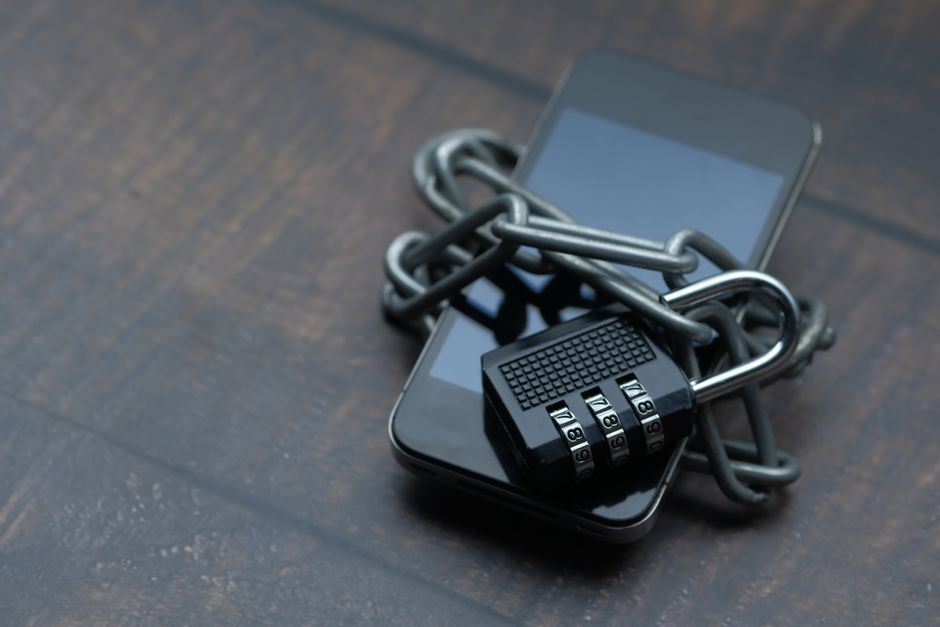
A strong password acts as a barrier, keeping your sensitive information safe from prying eyes. If a hacker gets hold of your password, they can access your accounts, steal your identity, or even empty your bank account. Strong passwords matter!
Characteristics of a Strong Password
So, what makes a password strong? Here are some key characteristics:
- Length: A strong password should be at least 12 characters long. The longer, the better!
- Complexity: Use a mix of letters (both uppercase and lowercase), numbers, and symbols. This makes it harder to guess.
- Avoid Common Words: Don’t use easily recognizable words or phrases, like your name or birthday.
- No Repeats: Don’t reuse passwords across different accounts. This way, if one gets compromised, others remain safe.
How to Create Strong Passwords
Creating a strong password doesn’t have to be a headache. Here are some tips:
- Use Passphrases: A passphrase is a longer string of words. For example, “BlueElephantDances!2023” is both long and hard to guess.
- Random Word Combinations: Combine unrelated words. For example, “PizzaCarrotSky#2023” can be memorable and complex.
- Substitute Characters: You can substitute letters for numbers or symbols. For instance, change “a” to “@” and “e” to “3.”
The Role of Password Managers
Managing multiple strong passwords can be tricky. This is where a password manager comes in handy. Password managers securely store your passwords and can also help generate strong ones.
Using a password manager can save time and increase security. You only need to remember one master password, and the password manager does the rest!
Common Password Mistakes
Even with the best intentions, people can make mistakes when it comes to passwords. Here are some common pitfalls:
- Using Personal Information: Avoid using personal details like your name, address, or birthday.
- Simple Patterns: Don’t use simple patterns like “123456” or “qwerty.” These are one of the first things hackers will try.
- Ignoring Updates: If a service you use has a data breach, change your password immediately.
Two-Factor Authentication: The Extra Layer
One of the best ways to enhance security is by enabling two-factor authentication (2FA). This adds an extra layer of protection. Even if someone gets your password, they can’t log in without the second factor, such as a code sent to your phone.
Many services provide this feature, and it only takes a few minutes to set up. Protecting your accounts with 2FA is a smart move!
Conclusion
Don’t underestimate the power of a strong password. It’s a simple yet effective way to protect your digital life. By creating strong, unique passwords and using tools like password managers and 2FA, you can significantly reduce your risk of falling victim to cyber crime.
Take a moment to review your passwords today. The effort you put in could save you from a lot of trouble tomorrow!