
Introduction
Have you ever wondered how to protect your online privacy? With the rise of internet surveillance, data tracking, and cybercrime, it’s more important than ever to safeguard your personal information. One popular tool is a Virtual Private Network, or VPN. This blog delves into what a VPN is, how it works, and whether it really offers the protection it promises.
What is a VPN?
A VPN is a service that creates a secure connection between your device and the internet. It acts like a tunnel, encrypting your online activities. This makes it challenging for anyone, including hackers and authorities, to see what you’re doing online.
How Does a VPN Work?
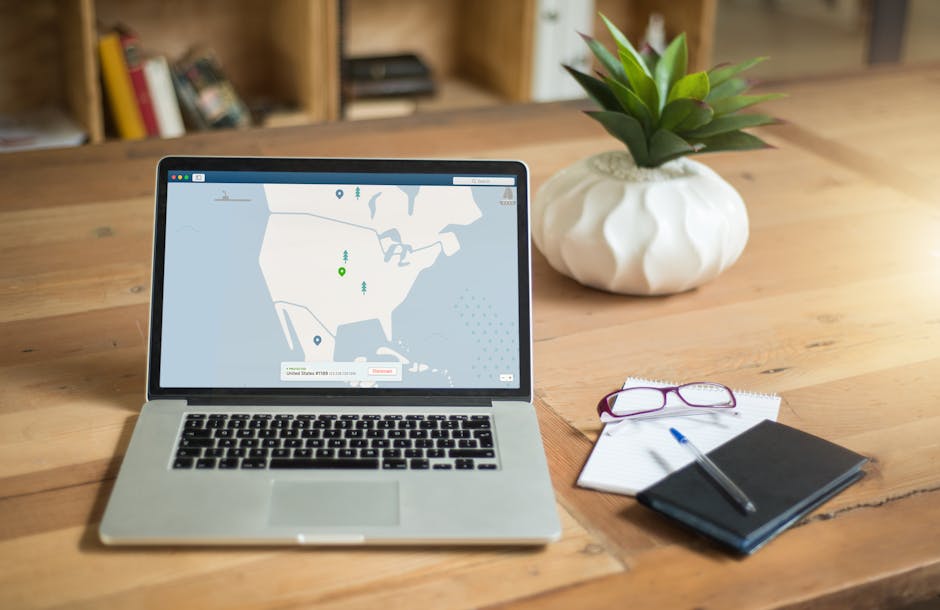
When you connect to the internet through a VPN, your data travels through a server run by the VPN provider. This means your internet service provider (ISP) can’t see your activity, and your IP address appears to be the address of the VPN server, not your own. Here’s how it typically works:
- Encryption: Your online data becomes jumbled and unreadable to anyone who intercepts it.
- IP Masking: Your real IP address is hidden, making it harder for websites and services to track you.
- Access Restrictions: VPNs can help you bypass regional restrictions by allowing you to appear in a different location.
Why Do People Use VPNs?
People use VPNs for various reasons, and understanding these can help you determine if a VPN is right for you:
- Privacy Protection: VPNs help shield your internet activity from prying eyes.
- Security: They are particularly useful when using public Wi-Fi, as they protect your information from potential hackers.
- Access Blocked Content: Many use VPNs to access content unavailable in their region, such as streaming services.
Are All VPNs Safe?
Not all VPNs are created equal. While many offer robust security features, others might compromise your privacy. Here are some points to consider:
- No-Log Policy: Ensure the VPN provider does not keep logs of your activities, which can be requested by authorities.
- Reputable Providers: Stick to well-reviewed and established VPN services to minimize risks.
- Encryption Standards: Look for VPNs that use strong encryption methods to ensure your data remains secure.
Common Myths About VPNs
There are several myths surrounding VPNs that can lead to misunderstandings about their effectiveness and functionality:
- VPNs are Completely Anonymous: While they enhance privacy, they don’t make you completely anonymous. Your actions can still be traceable.
- VPNs are Only for Tech-Savvy People: Many VPNs are user-friendly and designed for all levels of tech expertise.
- Free VPNs are Just as Good: Many free VPNs have limited features or sell your data, while paid services often provide better privacy and security.
Should You Get a VPN?
If you’re concerned about privacy and security, getting a VPN can be a wise decision. However, it’s essential to do your research:
- Evaluate Your Needs: Consider why you want a VPN—for streaming, browsing safely on public Wi-Fi, or protecting sensitive information.
- Read Reviews: Look for user feedback on various VPN services to find one that fits your requirements.
- Test Before Committing: Many VPN services offer trials or money-back guarantees. Take advantage of these to test the service.
Final Thoughts
In an age where online privacy is becoming increasingly important, a VPN can be a valuable tool. It helps protect your personal information, especially while browsing the internet. However, it’s crucial to choose the right VPN provider and understand its limitations. Your online safety starts with informed choices!