What Happened?
Recently, there’s been buzz about a new type of scam that’s making waves online. Criminals are getting clever, and they’re coming up with even more sophisticated tricks to take your money or steal your personal information. This latest scam has shown us just how important it is to stay alert and informed.
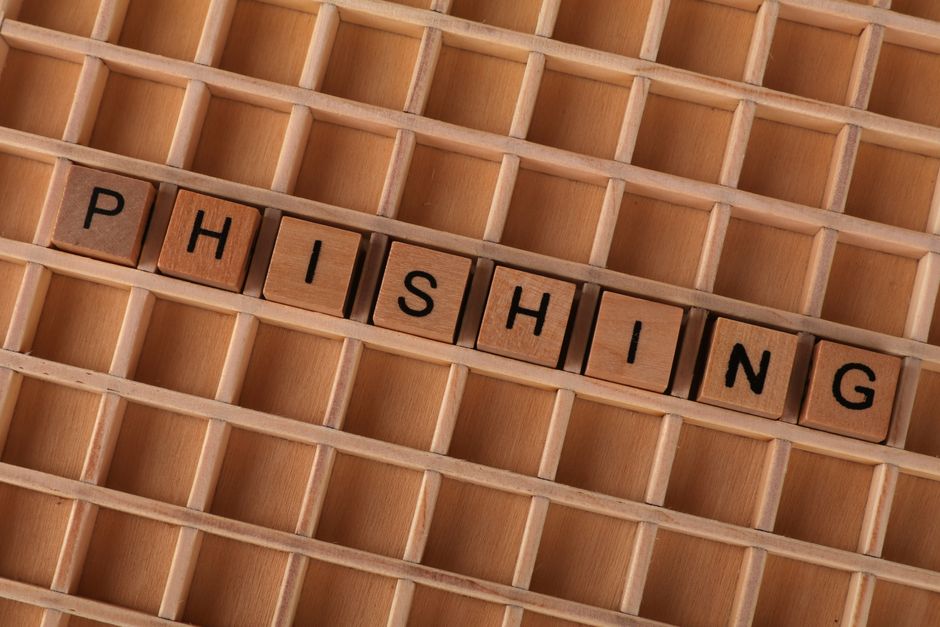
This scam operates by pretending to be a trusted organization, often using emails or messages to lure unsuspecting victims. They might say they’ve noticed suspicious activity on your account or that you need to verify your identity. This creates a sense of urgency that can prompt people to act without thinking!
Why Should You Care?
Every day, more people find themselves falling for online scams. This particular scam aims to target everyone, especially those who might not be as tech-savvy. If you use the internet—whether it’s for shopping, banking, or socializing—you need to understand the risks.
What’s at stake? Here are a few reasons why you should be cautious:
- Financial Loss: Many victims lose significant amounts of money. Scammers can drain bank accounts or rack up charges on stolen credit cards.
- Identity Theft: Sharing your personal information can lead to identity theft, which might take years to resolve.
- Emotional Stress: Falling for a scam can be really frustrating and embarrassing. It’s a situation no one wants to face.
How to Protect Yourself
So, how can you stay safe amidst these rising scams? Here are some practical tips to help you protect yourself:
- Be Skeptical: If you receive an unexpected message, stop and think before you click anything. Scammers often create a sense of urgency to make you act quickly.
- Verify the Source: If the message claims to be from your bank or another trusted organization, call them directly using a verified number to check if the request is legitimate.
- Check for Red Flags: Look for signs like poor grammar, awkward language, or odd email addresses. These can be hints that something is off.
- Use Strong Passwords: Make sure your passwords are unique and complex. Changing them regularly helps keep your accounts secure.
- Enable Two-Factor Authentication: This adds an extra layer of protection by requiring a second form of identity verification.
Final Thoughts
Staying safe from scams may feel like a daunting task, especially with how tech-savvy scammers have become. But remember, you don’t have to do it alone; awareness is your best shield. Keep an eye out for suspicious messages, verify before you act, and always trust your instincts.
By being informed and proactive, you can enjoy the benefits of the internet without falling prey to these scams. So, the next time you get a message that feels too good to be true, don’t let curiosity lead you into trouble. Stay safe, stay smart!
Source: Original Article