What Happened?
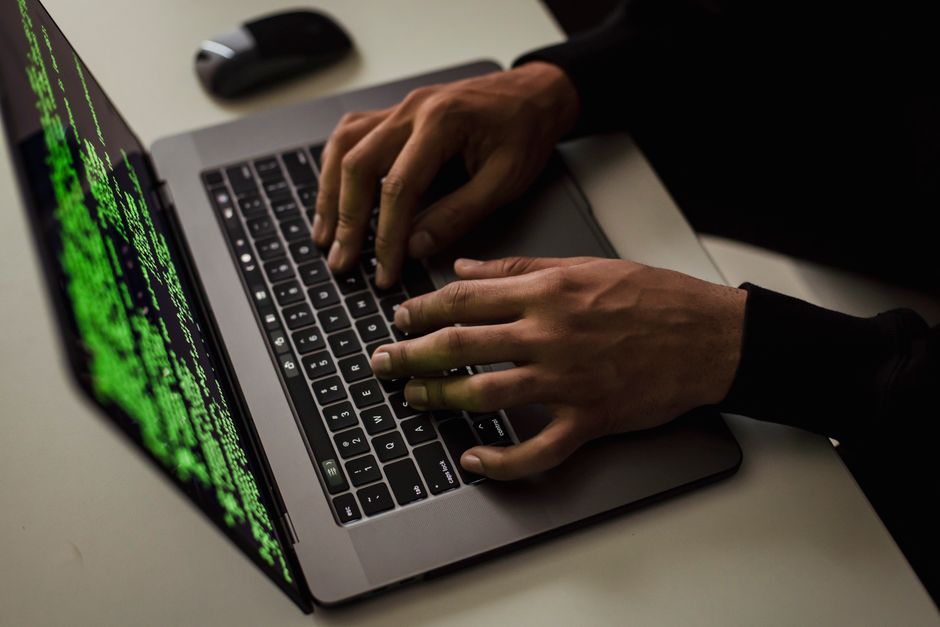
Recently, the world witnessed a concerning rise in cyberattacks targeting various organizations and individuals alike. These attacks came in different forms and were aimed at stealing sensitive personal information. Cybercriminals are getting smarter, and their methods are constantly evolving, making it essential for everyone to stay informed.
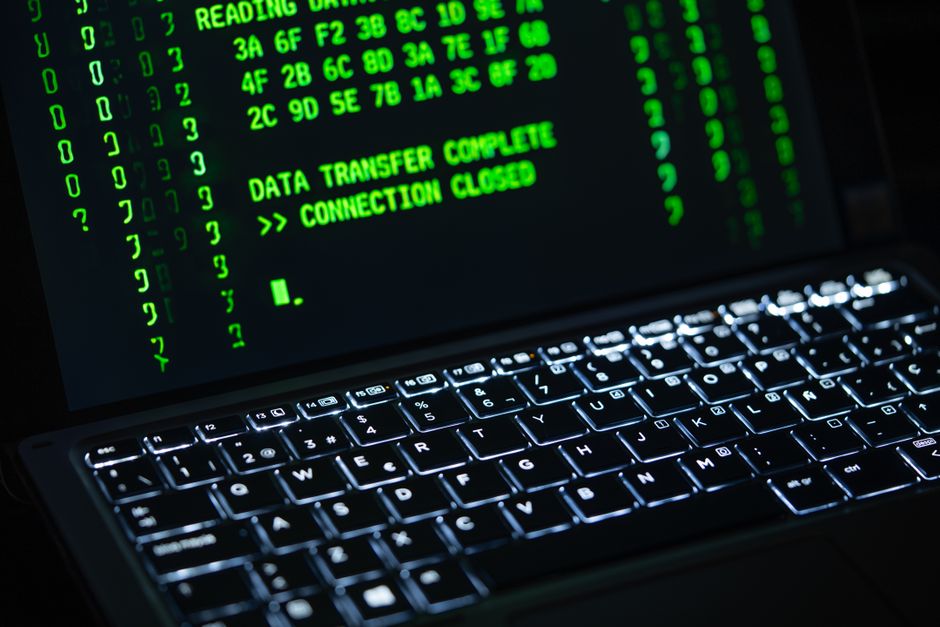
In particular, one major incident involved a large company that fell victim to a data breach. Hackers infiltrated their systems and took a massive amount of customer data, including names, addresses, social security numbers, and even credit card details. This shocking event has left many wondering just how safe their personal information really is.
Why Should You Care?
You might think, “This won’t happen to me! I’m just an average person.” But that’s exactly what cybercriminals want you to think. They often target everyday individuals, expecting that no one will suspect they are at risk.
Data breaches can lead to identity theft, which is when someone uses your personal information to impersonate you. This could mean falsely applying for loans or credit cards in your name, which can significantly impact your finances and credit score. By the time you realize what’s happening, it can be a long and difficult process to resolve the issues.
Moreover, these breaches can also affect your privacy and security. If your data falls into the wrong hands, it can be used against you in various ways, such as social engineering attacks or further phishing attempts. Basically, this can lead to a cascade of problems that are entirely avoidable with a bit of caution and awareness.
How to Protect Yourself
So, how can you safeguard your personal information in a world where cyberattacks are becoming more frequent? Here are some useful tips:
- Use Strong Passwords: Create unique passwords for each of your accounts. Avoid using obvious choices like birthdays or simple words. A password manager can help you keep track of complex passwords.
- Enable Two-Factor Authentication (2FA): This adds an extra layer of security. Besides your password, you’ll need to verify your identity using another method, like a text message or an authentication app.
- Keep Software Updated: Always install the latest updates for your operating system, apps, and browsers. This helps close security vulnerabilities that hackers can exploit.
- Be Cautious with Emails: If you get an unexpected email, especially one asking for personal information, think twice. Phishing scams often appear genuine but lead to malicious websites designed to steal your data.
- Monitor Your Accounts: Keep an eye on your bank and credit card statements. If you notice any unfamiliar transactions, report them immediately.
- Use Secure Connections: Avoid using public Wi-Fi for sensitive transactions, like online banking. If you must use public Wi-Fi, consider a VPN for added security.
Final Thoughts
Staying informed and taking small steps can make a significant difference in protecting your personal data. Cybersecurity may seem daunting, but remember that the more aware you are, the safer you can be. Today’s world requires everyone to be vigilant and proactive about their online security. Don’t wait for a cyber incident to happen—take action now to safeguard your information!
Source: Original Article