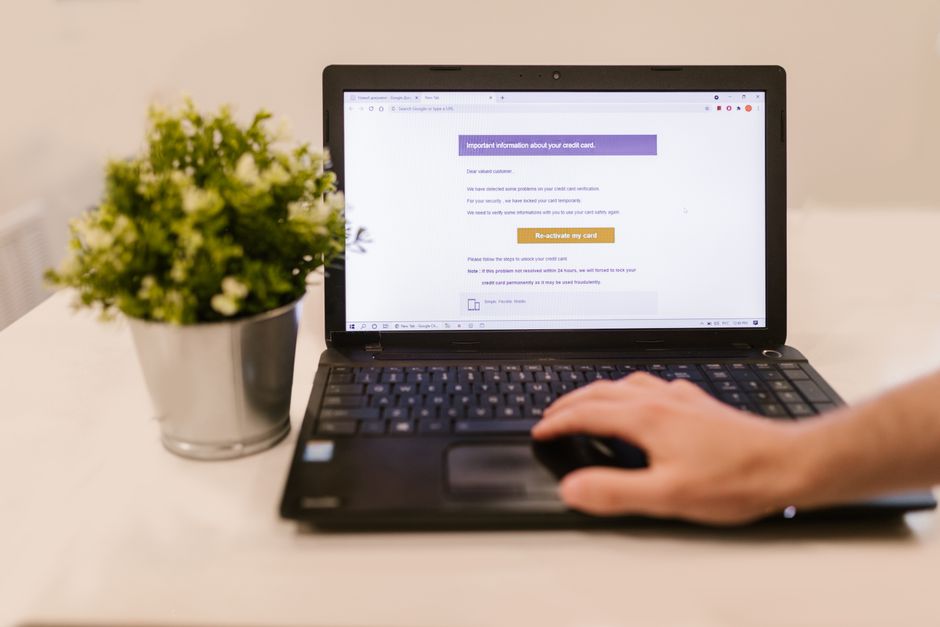

What Happened?
In the ever-evolving world of cybersecurity, the latest news is both alarming and eye-opening. Recently, experts discovered a massive wave of attacks targeting unsuspecting individuals and small businesses. Hackers are using various methods to steal sensitive information like passwords and credit card numbers.
These attacks have become increasingly sophisticated, employing tactics that can easily deceive even the most careful users. The scary part is that many people may not even realize they’ve been affected until it’s too late. It feels like we’re all living in a digital Wild West, where the rules are constantly changing.
Why Should You Care?
You might be wondering why this should matter to you. After all, you might think, “I’m just an everyday person; what could they want from me?” Well, that’s where the misconception lies. Cybercriminals don’t just target large corporations; they also aim at regular folks who might have valuable information.
Here are a few reasons why you should pay attention to these cyber threats:
- Your Information is Valuable: Just like gold, your personal data can be mined for profit. Hackers can sell it on the dark web or use it for identity theft.
- You May Be Vulnerable: Most people believe they are safe, but simple mistakes—like weak passwords or not updating software—make you an easy target.
- Cybercrime Affects Everyone: When one person gets hacked, it can spur attacks on others. Your compromised data may put your friends and family at risk too.
How to Protect Yourself
Understanding these threats is the first step towards protecting yourself in the digital landscape. Here are some simple yet effective ways to bolster your cybersecurity:
- Use Strong Passwords: A strong password is your first line of defense. Use a mix of uppercase and lowercase letters, numbers, and special characters.
- Enable Two-Factor Authentication: This adds an extra layer of security, making it harder for hackers to access your accounts.
- Be Wary of Phishing Attempts: Think twice before clicking on links in emails or messages. Always verify the sender before providing any information.
- Keep Your Software Updated: Regular updates often include security patches that fix vulnerabilities.
- Educate Yourself: Keeping yourself informed about the latest cybersecurity threats can help you recognize potential risks.
Final Thoughts
As troubling as the news is, the good news is that you can take action. Being proactive about your online security can go a long way in keeping you safe. Remember that you are not just protecting your data but also safeguarding your peace of mind.
At the end of the day, knowledge is power. The more you know about potential threats, the better equipped you will be to defend against them. So stay alert, practice good online habits, and continue to educate yourself on the ever-changing landscape of cybersecurity.
Source: Original Article