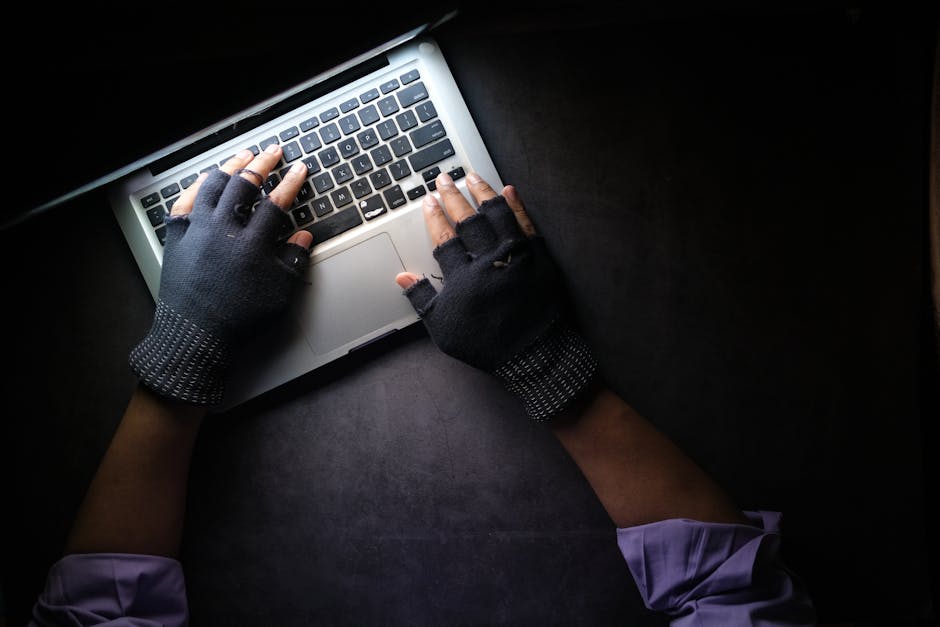
What Happened?
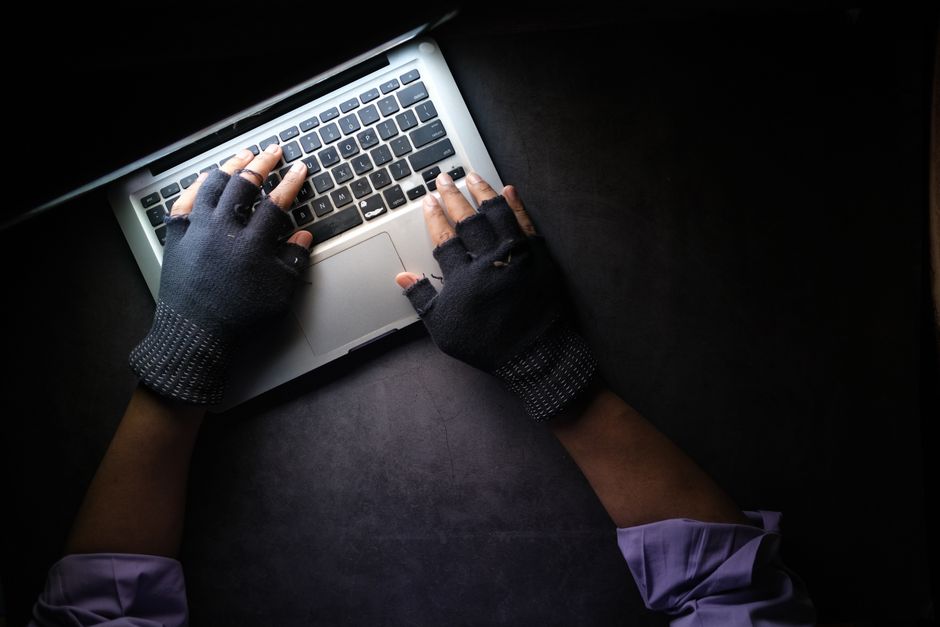
Recently, a major news story broke about a serious cybersecurity issue. It turns out that a popular tool used by many in businesses, called a remote access software, has been exploited by hackers. These cybercriminals have found a way to access sensitive data, putting countless individuals and organizations at risk.
This tool is supposed to help companies manage their computers from far away. However, once hackers get their hands on it, they can sneak into systems almost undetected. Imagine a burglar slipping through your front door while you’re inside, unaware. That’s the kind of vulnerability we’re talking about!
Why Should You Care?
You might be wondering, “Why does this matter to me?” Well, it matters because cyber threats can affect anyone, not just big corporations. If you use any online services or have an email account, you’re a potential target.
Here’s why you should take this seriously:
- Personal Data Theft: Cybercriminals can steal your personal information, like passwords, credit card details, and more.
- Identity Theft: If your data is compromised, hackers can impersonate you to gain access to your accounts or commit fraud.
- Privacy Invasion: Having your system hacked could mean spies are watching your online activities without you even knowing!
The tools and techniques hackers use are getting more sophisticated every day. It’s not just a problem for tech-savvy individuals; everyday users like you are at risk, too.
How to Protect Yourself
So, what can you do to keep your information safe? Here are some practical tips to help you stay one step ahead:
- Update Software Regularly: Always keep your software and operating systems updated. These updates often contain patches for security vulnerabilities that hackers exploit.
- Use Strong Passwords: Create complex passwords that are hard to guess. Consider using a password manager to keep track of them securely.
- Be Wary of Phishing: Never click on suspicious links in emails or messages. Hackers often use these to trick you into giving away your personal information.
- Enable Two-Factor Authentication: If available, use two-factor authentication for your accounts. This adds an extra layer of security, making it harder for hackers to access your information.
- Educate Yourself: Stay informed about the latest cybersecurity trends and threats. The more you know, the better you can protect yourself.
By following these steps, you can significantly reduce your risk of falling victim to cyber attacks. Awareness is your best defense!
Final Thoughts
The recent news about remote access software being exploited is a reminder that we must be vigilant in our cybersecurity practices. Keeping yourself informed and following safety measures can make a big difference in protecting your personal data.
Always remember: in the digital world, being proactive is crucial. Make it a habit to check your accounts regularly and stay alert for any suspicious activity. With a little attention and care, you can help safeguard your digital life against unwanted intrusions.
Source: Original Article