
What Happened?
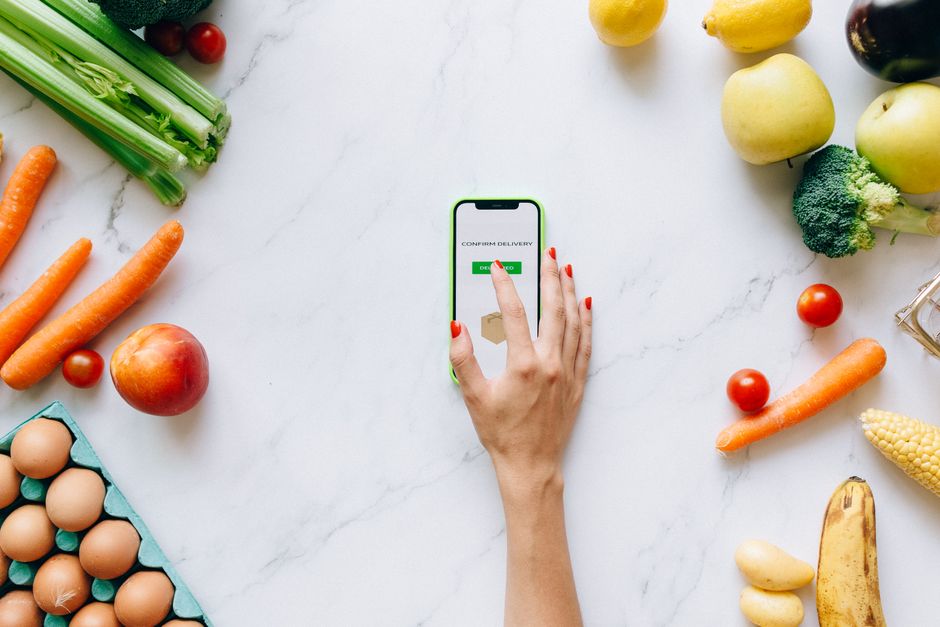
Recently, hackers launched a clever phishing attack that aims directly at users of popular food and delivery apps. If you’ve ever ordered a meal from these platforms, you might want to read carefully. The attackers created fake emails and messages that look just like they’re from these services, trying to trick you into giving away your sensitive information.
These scams are becoming more sophisticated, making it harder for everyday people to spot them. The goal is simple: steal your personal details or financial information while you think you’re just checking your order status.
Why Should You Care?
You might wonder why this matters to you. Well, think about how frequently you use delivery apps. They contain a lot of your personal information, including addresses, payment methods, and even your favorite food choices. If someone gets hold of this data, they could potentially make unauthorized charges or worse.
The impact can be severe. Just imagine someone ordering big-ticket items in your name or stealing your identity entirely. Phishing scams like these also show how important it is to be vigilant every time you browse your emails or texts, especially when it relates to financial transactions.
How to Protect Yourself
- Be Skeptical of Unexpected Messages: If you receive a message urging you to click a link or provide information, pause. Unsolicited requests for personal information are often scams.
- Verify the Sender: Always check the sender’s email address or number. A legitimate delivery service will use their official domain, not a random email address.
- Look for Warning Signs: Watch for poor language, weird logos, or strange links. Legitimate companies maintain a professional appearance in their communications.
- Use Two-Factor Authentication: If available, set up two-factor authentication on your accounts. This adds an extra layer of security beyond just your password.
- Keep Your Software Updated: Make sure your phone and apps are up to date. Often, updates include important security patches that keep hackers at bay.
Final Thoughts
Phishing attacks are becoming more common, and they can happen to anyone. The trick is to stay informed and vigilant about your online safety. By taking a few simple precautions—like verifying senders and being cautious with your personal information—you can greatly reduce your risk of falling victim to these schemes.
Remember, if something seems off, it probably is. Don’t let a simple mistake lead to bigger problems down the road. Stay safe out there!
Source: Original Article