
What Happened?
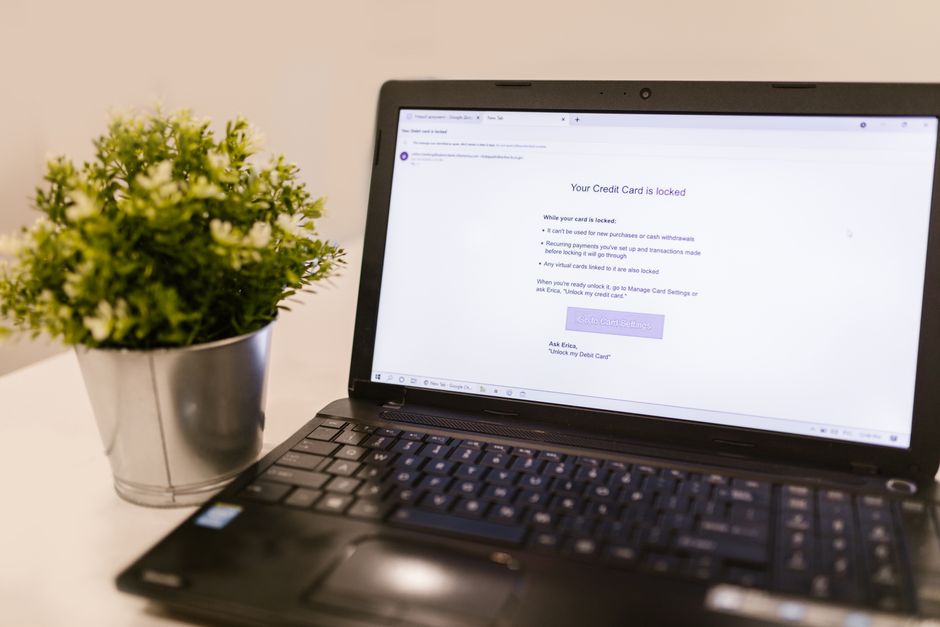
Recently, there’s been a surge in crafty email scams targeting unsuspecting internet users. These emails look legitimate at first glance, often designed to mimic trusted companies or even your friends. They usually ask for personal information or urge you to click on harmful links.
The rise of these phishing emails is alarming because they can lead to identity theft and financial loss. These scams manipulate your trust, making it crucial for everyone to recognize and understand the signs.
Why Should You Care?
So, why should you pay attention to this? Well, email scams are becoming increasingly sophisticated, and it’s often hard to tell them apart from real communication. Anyone is a potential target, whether you’re a tech-savvy individual or someone who uses email just for chatting with friends.
When you fall victim to these scams, it can have serious consequences, like losing your personal data, money, or even your online identity. This easily affects not only you but also the people you communicate with, as scammers can use your information to trick your loved ones.
How to Protect Yourself
- Examine Email Addresses Carefully: Always check the sender’s email address. Scammers often use addresses that look similar to real ones but have tiny differences.
- Beware of Urgent Language: Scammers frequently create a sense of urgency to prompt you to act quickly. If an email presses you to take immediate action, be cautious.
- Avoid Clicking on Links: Instead of clicking on any links in an email, hover over them to see where they lead. If the URL looks suspicious, don’t click!
- Verify with the Sender: If an email seems fishy, contact the person or organization directly using official contact methods — not the information in the email.
- Use Multi-Factor Authentication: This adds an extra layer of security to your accounts, making it harder for others to access your sensitive information, even if they do trick you into giving your password.
Final Thoughts
The increase in email scams is something we all need to take seriously, as cybercriminals get smarter every day. By staying vigilant and informed, you can protect yourself and your personal information from falling into the wrong hands.
Remember, it’s always better to be safe than sorry when dealing with emails. Take a moment to think critically about any suspicious messages you receive. By doing so, you can help keep yourself and others safe in the digital world.
Source: Original Article