
What Happened?
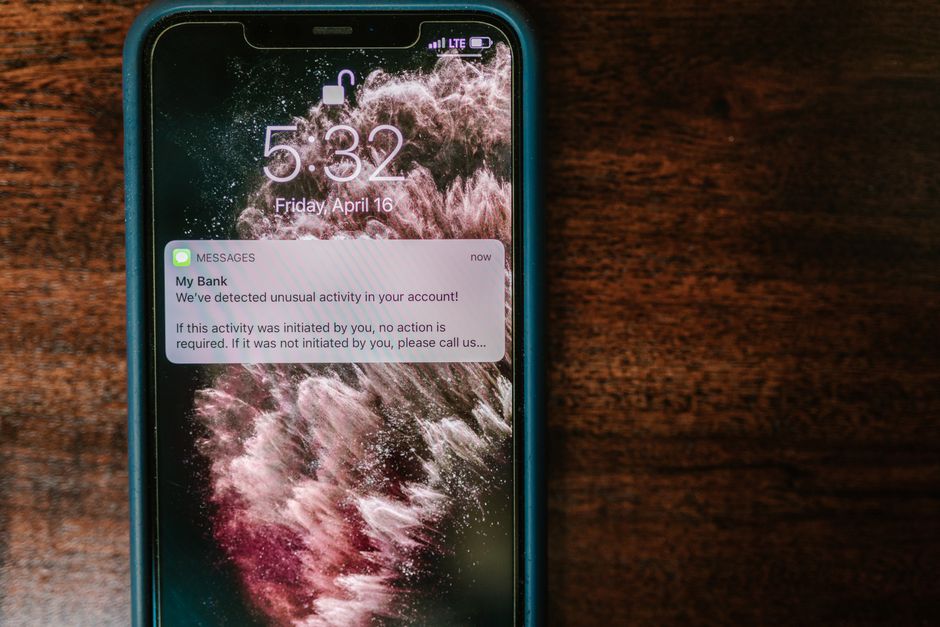
Recently, a new type of phone scam has started to emerge, and it’s caught the attention of many security experts. Imagine receiving a call from someone who claims to be from your bank or a government official. They sound friendly, but they’re actually trying to trick you into giving away your personal information!
This scam is known as **phishing**, and it’s not new, but it’s evolving. Scammers are becoming increasingly clever in how they operate, often posing as trusted organizations to gain your confidence. When they call, they might claim there’s an issue with your account or that you owe money that needs immediate attention.
Why Should You Care?
So, why is this something to worry about? The reason is simple: many people still fall for these scams. In fact, thousands of individuals lose money each year because they accidentally provide their confidential information to these phony callers.
Phishing scams can lead to numerous issues, including:
- Identity theft, where someone uses your personal information to steal your identity.
- Financial loss, as scammers can access your bank account or credit card information.
- Damage to credit score, resulting from unauthorized loans or credit accounts opened in your name.
Staying informed helps protect not only yourself but also your family and friends, as sharing information can prevent others from falling victim to these deceitful tactics.
How to Protect Yourself
Now that you know about these scams, let’s talk about how you can keep yourself safe. Here are some tips to help you avoid falling victim:
- Don’t give out personal information: If someone calls you asking for your sensitive information, hang up and contact the organization directly using a known phone number.
- Stay skeptical: Always be wary of unsolicited calls, especially if they mention urgent actions or threats.
- Use call screening tools: Many smartphones have built-in features to identify potential scam calls. Enable these tools for extra protection.
- Report suspicious calls: If you believe you received a scam call, report it to your local consumer protection agency. This can help others avoid the same trap.
- Educate others: Share what you know about these scams with friends and family. The more people know, the safer everyone will be.
Final Thoughts
In today’s digital world, staying secure online and over the phone is more important than ever. Scammers will keep changing their tactics, so it’s crucial to keep updated on the latest threats. Remember, if something feels off during a call, it’s always best to err on the side of caution.
By staying vigilant and adopting simple protective measures, you can greatly reduce your risk of falling victim to these phone scams. Always trust your instincts, and don’t be afraid to hang up if something doesn’t seem right. Stay safe!
Source: Original Article