What Happened?
In today’s digital world, many of us store personal information online without thinking twice. Recently, a major cybersecurity incident was reported, revealing that hackers accessed a large database containing sensitive details of millions of users. This breach exposed everything from email addresses to passwords. It’s a stark reminder that even the most popular platforms are not immune to attacks.
As soon as news hit the web, users were left in shock. Many wondered how their information could be compromised and what it meant for their privacy. Cybersecurity threats are not just for tech-savvy individuals; they affect all of us, and being aware is the first step toward protecting ourselves.
Why Should You Care?
You might be thinking, “I’m not a celebrity or a business executive; why should I worry?” Well, cybercriminals don’t discriminate. They target anyone, hoping to cash in on the information they gather. Here are a few reasons to stay cautious:
- Identity Theft: Hackers can use your personal details to impersonate you, leading to unauthorized access to your bank and credit accounts.
- Financial Loss: A breach could result in stolen funds, ruined credit, and significant repair costs.
- Privacy Invasion: Your personal life can be invaded if sensitive data is leaked, causing stress and anxiety.
Understanding the risks can help you make better decisions about your online presence. Our data is increasingly valuable, and we must take steps to protect it.
How to Protect Yourself
Fortunately, there are many ways you can safeguard your information. Here are some practical tips that are easy to follow:
- Use Strong Passwords: Create complex passwords that include letters, numbers, and special characters. Avoid using the same password for multiple accounts.
- Enable Two-Factor Authentication: This adds an extra layer of security by requiring another verification method, like a text message or an app.
- Regularly Update Software: Always ensure that your devices and applications are up-to-date. Updates often include security patches to protect against the latest threats.
- Be Wary of Phishing Scams: Don’t click on links or download attachments from unknown sources. Cybercriminals disguise their attacks as legitimate requests.
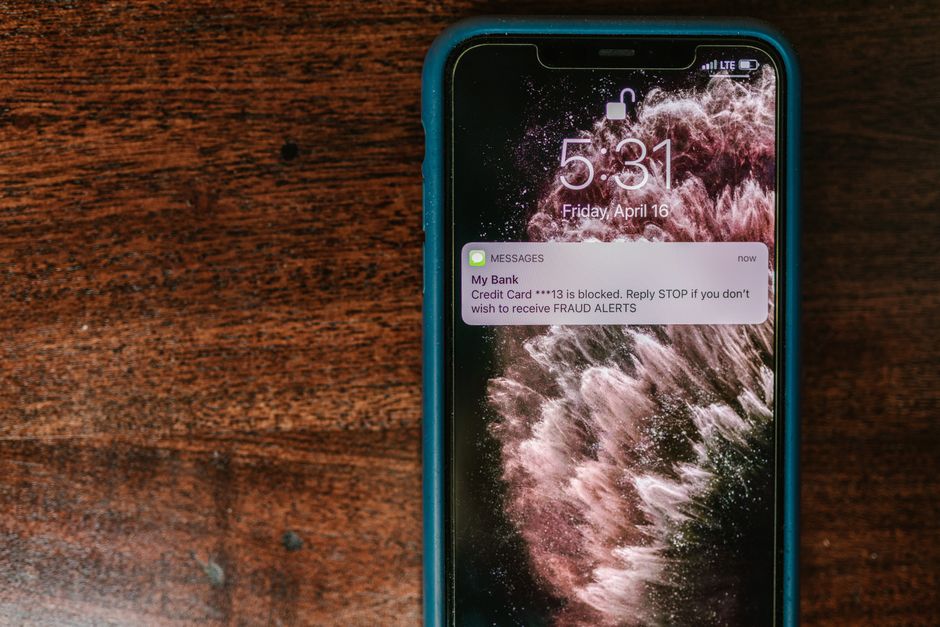
- Monitor Your Accounts: Keep an eye on your bank and credit card statements. Report any suspicious transactions immediately.
By following these steps, you can make it significantly harder for criminals to access your information.
Final Thoughts
Cybersecurity may seem like a challenging topic, especially if you’re not tech-savvy. However, understanding the basics is crucial in today’s digital landscape. A security breach can happen at any time, and while it’s unsettling, staying informed and vigilant helps protect you from becoming a victim.
Make a habit of checking your online security measures and don’t hesitate to talk to friends and family about how they can stay safe too. Together, we can build a more secure online community.
Source: Original Article