
What Happened?
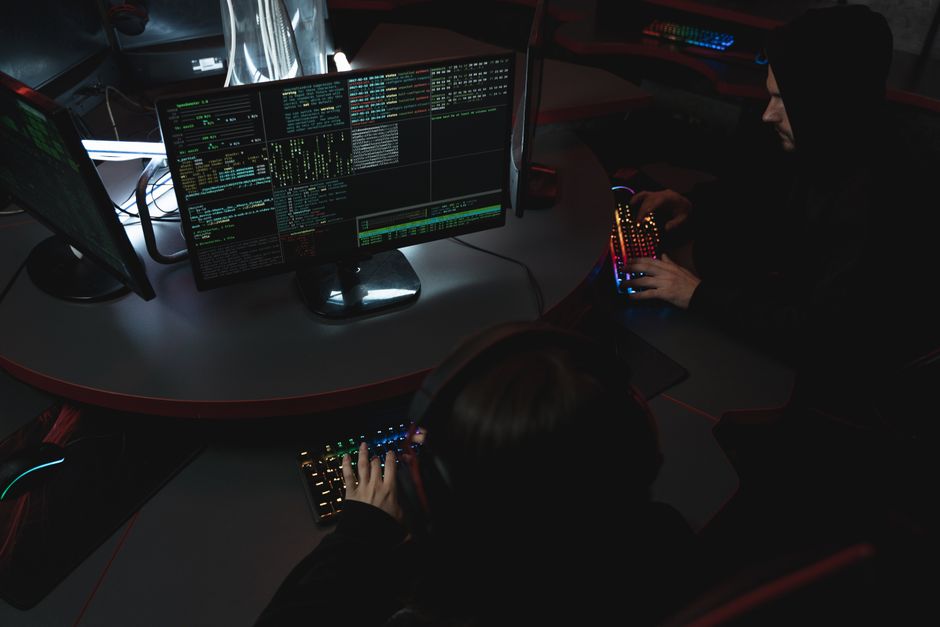
Recently, a significant cyberattack targeted some European banks, alarming many customers and financial experts alike. This attack allowed hackers to access sensitive customer data and potentially compromise millions of accounts.
The attackers used a sophisticated technique known as a phishing scam. This involves tricking people into revealing personal information, like passwords and account numbers, by pretending to be trustworthy organizations.
As a result, many bank customers are now being warned to be vigilant and take necessary precautions. It’s essential to understand how these attacks happen and what you can do to protect your information.
Why Should You Care?
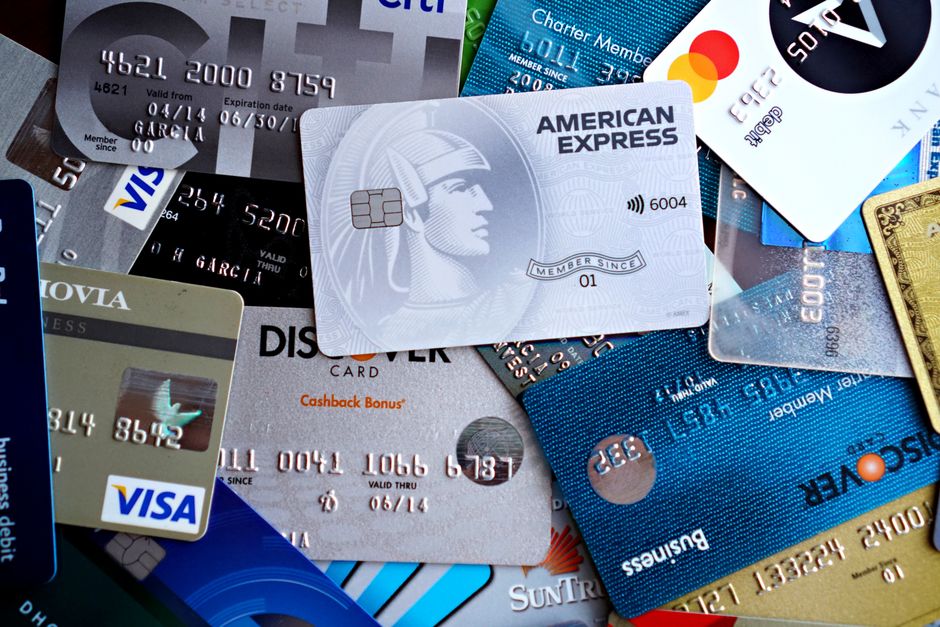
This cyberattack isn’t just bad news for banks; it affects you, the everyday consumer. If hackers get access to your banking information, it can lead to financial loss or identity theft. Imagine waking up to find that your hard-earned money has been stolen or your credit card details are in the hands of strangers!
Moreover, this is not an isolated incident. Cybercrime is on the rise globally, and understanding the risks can help you stay safe. You might wonder why criminals target banks specifically. It’s simple: the potential for high rewards is vast, and many people still underestimate cybersecurity’s importance.
How to Protect Yourself
So, how do you keep your information secure? Here are some tried-and-true steps you can follow:
- Use Strong Passwords: Ensure your passwords are long and complex. Avoid using common phrases or easily guessed information. A mix of upper and lower case letters, numbers, and symbols is ideal.
- Enable Two-Factor Authentication: Whenever possible, activate this feature on your bank accounts. It adds an extra layer of security by requiring a second form of verification.
- Be Wary of Emails: Always double-check the sender’s address and avoid clicking on links in unsolicited emails. Phishing scams often mimic official bank communications.
- Update Software Regularly: Ensure your phone, computer, and any apps are updated. Updates often include security patches that protect against known vulnerabilities.
- Monitor Your Accounts: Regularly check bank statements and account activity. Report any suspicious transactions immediately to your bank.
Final Thoughts
The recent cyberattack on European banks serves as a shocking reminder of how vulnerable our financial information can be. With hackers becoming more sophisticated, it’s crucial for everyone to be proactive about their cybersecurity. By staying informed and following simple protective measures, you can safeguard your bank accounts and personal information.
Remember, being cautious online is not just about protecting yourself; it’s about ensuring your entire community is safe from these digital threats. Keep your eyes open, educate yourself, and always prioritize security in your online activities.
Source: Original Article