
Intel’s Latest Processor Enhancements Prioritize Cybersecurity
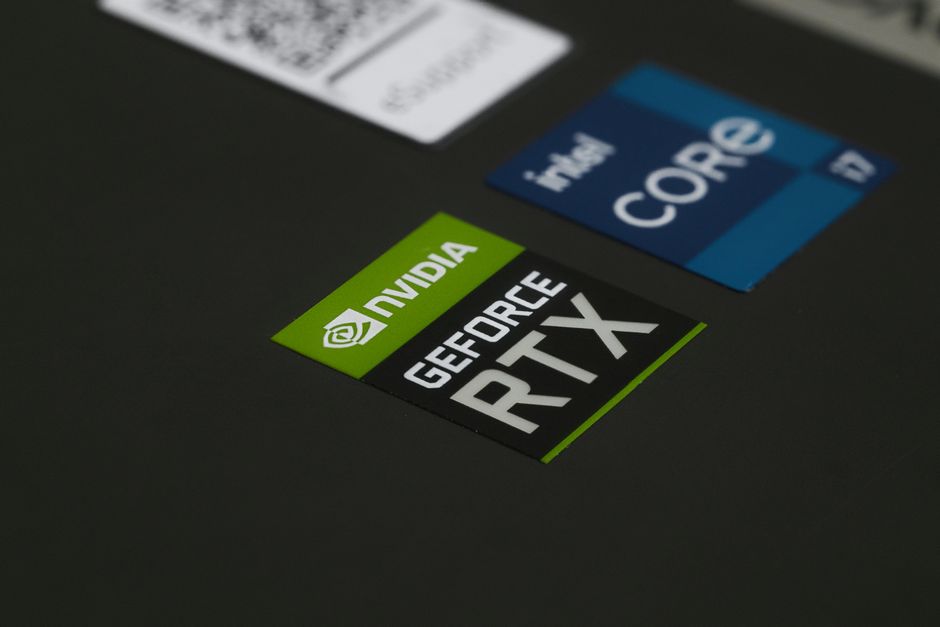
Intel has unveiled its latest processors, the 14th Generation Core Family, featuring new integrated technologies aimed at bolstering cybersecurity measures. These processors include specialized AI-based threat detection capabilities specifically designed to assess memory threats in real-time.
The standout feature of these processors is the Intel Threat Detection Technology which enables security software to leverage AI-based telemetry data for enhanced monitoring and defense mechanisms. As security professionals know, real-time data is crucial for proactively addressing potential vulnerabilities.
Advanced Encryption Standards Onboard
One of the key changes in this generation is the embedded AES-NI (Advanced Encryption Standard New Instructions) within the chip, supporting accelerated encryption and decryption processes. This means that encryption tasks are handled seamlessly, without significant performance hits, allowing organizations to maintain secure environments without compromising on speed.
According to the original source, this integration aims to ensure high data integrity during transmission, especially vital for today’s primarily digital business operations.
Boosting Endpoint Security with Hardware
These processors incorporate Intel’s Hardware Shield technology, offering runtime memory safety and BIOS defense enriched by an AI performance boost. Such features ensure that the system’s core is resistant to firmware-level attacks, a sophisticated threat posing substantial risks in enterprise settings.
This Hardware Shield collaboration with Microsoft enables seamless integration with Windows 11 security features, providing enhanced protection by isolating applications from each other securely.
Why It Matters
For enterprises, the integration of AI-enhanced capabilities in hardware, such as offered by Intel’s 14th Generation Core Family, signifies a shift towards more autonomous, robust cybersecurity practices. With threats becoming increasingly complex, the capacity to manage these risks at the hardware level, supported by real-time AI threat detection, positions organizations to better safeguard critical data infrastructure against evolving cyber threats.
Reporting based on coverage from Intel News Room – original source