
What Happened?
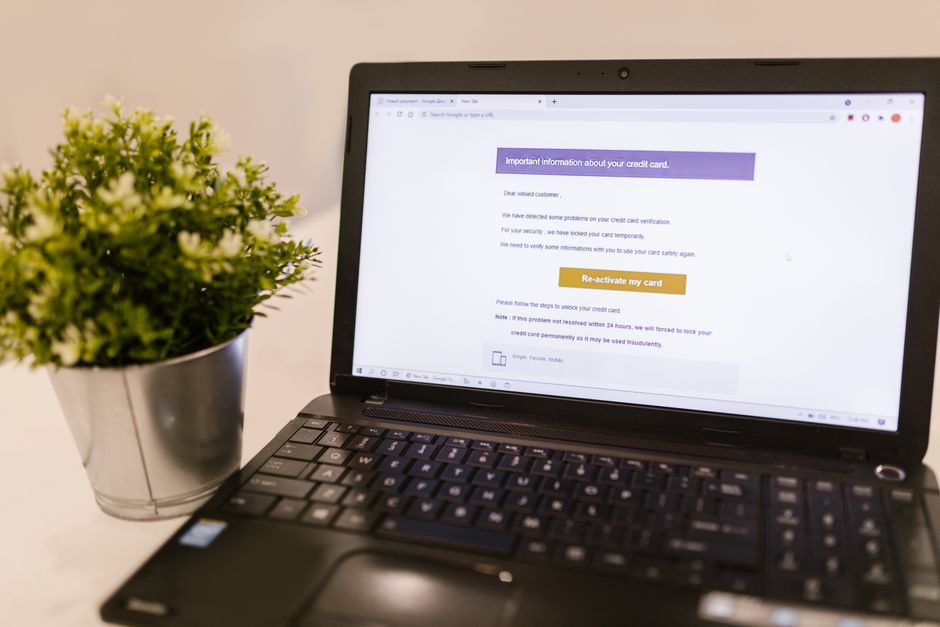
Recently, a new type of scam has been making waves, targeting everyday people just like you. Scammers have gotten even smarter, and they’re using tactics that can trick anyone. They send emails that look completely legitimate, often pretending to be a trusted source like a bank or a popular online service.
This scam is called phishing, and it can come in many forms. You might receive a message saying that you need to update your details or that there’s an issue with your account. These messages create a sense of urgency, making you feel compelled to act quickly.
Why Should You Care?
You might be wondering why you should pay attention to this news. Well, it’s essential to realize that scams like these are on the rise, and they can happen to anyone. No one is immune to becoming a victim. Just last month, a report revealed that thousands of people lost money to these phishing scams.
Imagine receiving a fake email that looks exactly like one from your bank. You click on a link and enter your information, thinking you’re resolving a problem. From there, criminals can access your bank account, steal your money, or even take over your online identity. This is a scary thought!
How to Protect Yourself
So, how can you protect yourself from falling into these traps? Here are some vital tips to keep in mind:
- Verify the sender: Always check the email address of the sender. Scammers often imitate the addresses of trusted companies, but a closer look can reveal small differences.
- Don’t click without thinking: If an email contains a link, hover over it to see where it leads before you click. If it seems suspicious, don’t click!
- Look for signs of a scam: Many phishing emails contain poor grammar or unusual phrasing. If an email seems odd, trust your instincts and don’t respond.
- Use official websites: Instead of clicking on links in emails, go directly to the official website of the company by typing in their URL in your browser.
- Enable two-factor authentication: Adding an extra layer of security to your accounts can significantly reduce the risk of a break-in.
- Keep your software updated: Regularly updating your devices can prevent security vulnerabilities that scammers exploit.
Final Thoughts
Being aware of these scams is the best first step in protecting yourself. The world of cybersecurity can seem overwhelming, but by staying informed and cautious, you can keep your personal information safe. Remember, scammers are always trying to find new ways to trick people. By following the tips above and staying alert, you greatly reduce your chances of falling victim to these scams.
Stay vigilant, and don’t let these criminals win. Your security is in your hands!
Source: Original Article