
What Happened?
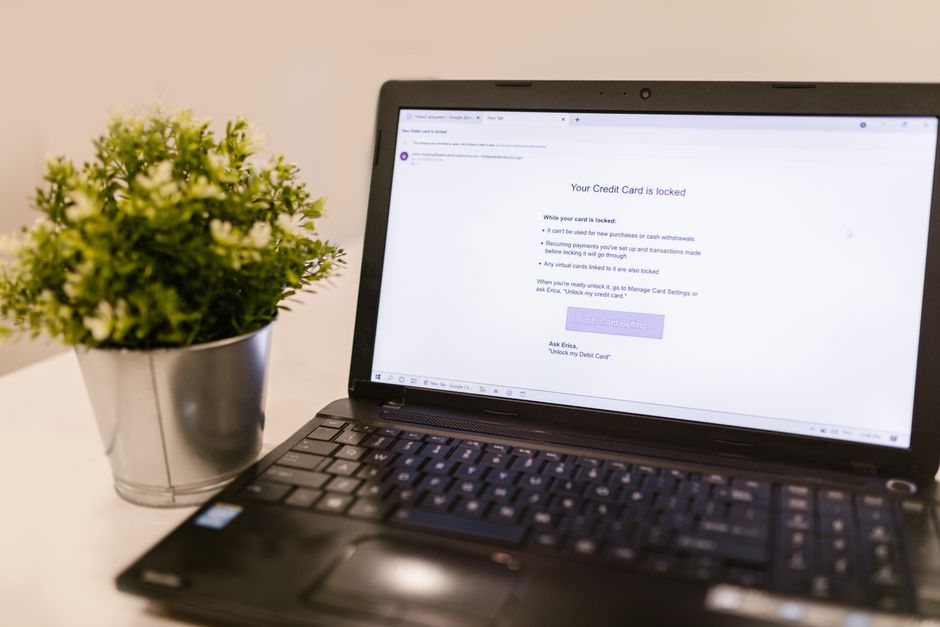
In the fast-paced world of the internet, a new scam has reared its ugly head. It’s a type of scam known as **phishing**, and it specifically targets your online accounts. Picture this: you receive an email that looks super official, maybe even from a service you use like your bank or a popular shopping site. Seems harmless, right? Wrong! This email has a sinister ulterior motive.
The goal of these phishing attempts is to trick you into providing personal information, such as your password or credit card number. These scammers are getting increasingly clever, using realistic-looking emails and websites to pull off their schemes.
Why Should You Care?
You might wonder, why does this matter to me? Well, the truth is, we are all using the internet every day—from checking our emails to shopping online and even managing our finances. This scam can affect anyone, and if you’re not careful, you could find your hard-earned money gone in an instant.
Here are a few reasons why you should take this seriously:
- Your Personal Information is Valuable: Your personal data, like email addresses, passwords, and banking information, is like gold to hackers. Once they have it, they can wreak havoc on your life.
- It Happens More Often Than You Think: Phishing is one of the most common internet scams. Millions of people fall victim to it every year, and it could be as simple as clicking on the wrong link.
- It Can Happen to Anyone: Even the most tech-savvy people can get caught in these traps—so don’t think you’re immune!
How to Protect Yourself
Now that you know how serious this issue is, let’s talk about how you can safeguard yourself from falling victim to these scams. Staying aware and cautious can make a huge difference. Here are some practical tips:
- Check the Email Sender: Always look closely at the sender’s email address. Scammers often use addresses that look similar to legitimate ones, but if you look closely, you’ll find the differences.
- Look for Language Errors: Many phishing emails are poorly written and contain spelling or grammatical mistakes. Official correspondence usually doesn’t have these errors.
- Hover Over Links: Before clicking any links in an email, hover your mouse over them to see the actual URL. If it doesn’t match the organization’s website, it’s likely a scam.
- Enable Two-Factor Authentication: This is a great way to add an extra layer of security to your accounts. Even if a scammer gets your password, they will still need access to your phone or another device to get in.
- Stay Informed: Regularly educate yourself about new types of scams and phishing techniques. Knowledge is your best defense!
Final Thoughts
Scams like this can feel daunting, but don’t let that scare you away from using your favorite online services. Just remember to stay informed and cautious. If you ever receive an email or message that seems odd or requests personal information, take a moment to double-check its authenticity. If it seems off, it probably is.
By following these simple precautions, you can keep your online accounts safe and secure. So, keep your guard up, and enjoy your time online without worry!
Source: Original Article