What Happened?
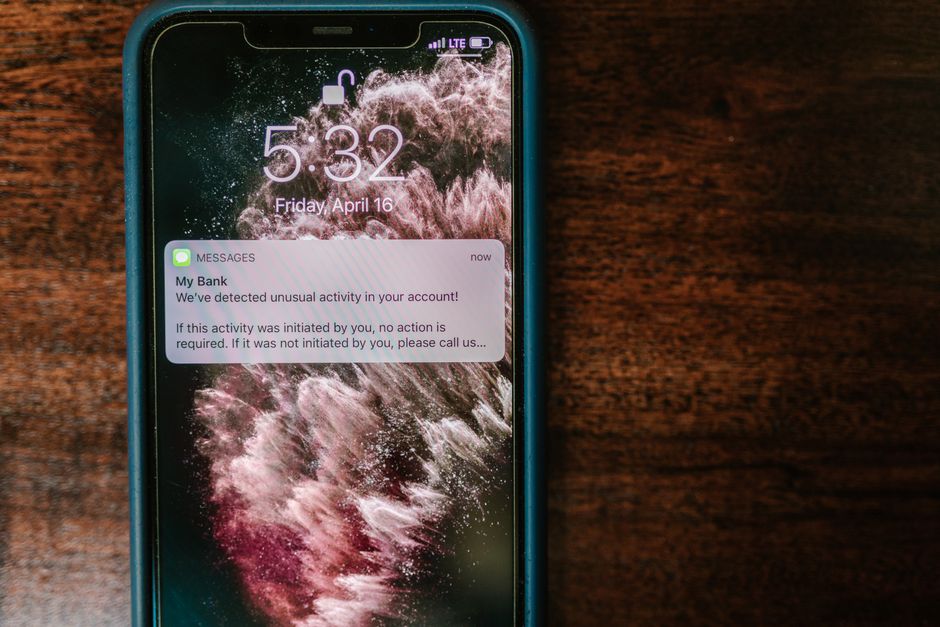
In a world where everything is digital, our personal information is constantly at risk. Recently, news broke about a growing trend of phishing scams. These sneaky attempts are designed to trick you into giving away sensitive details like passwords, credit card numbers, and even your social security number.
Phishing is often done through emails, text messages, or even direct phone calls that appear legitimate. Scammers create fake websites that look identical to trusted ones, aiming to catch you off guard. You click on a link or enter your information, thinking you are logging into your bank or signing up for a service.
Why Should You Care?
So, why should this matter to you? First off, losing your personal info can lead to identity theft. This occurs when someone uses your private details to act as if they are you, which can wreak havoc on your finances and personal life.
Imagine checking your bank statement only to find a variety of purchases you didn’t make or learning that someone has opened credit cards in your name! It’s not just a headache; it can take years to clear your name and restore your credit. Just think—these scammers are counting on the fact that most people don’t recognize their tactics.
How to Protect Yourself
Now that you know what’s happening, let’s talk about how you can guard yourself against these scams. Here are some simple steps to take:
- Be Skeptical of Emails: If you receive an unexpected email, especially one asking for personal information, pause and think. Look out for typos or odd email addresses that don’t seem to match the official domain.
- Think Before You Click: Always hover over links before clicking to see the actual URL. If it’s unfamiliar or doesn’t look right, don’t click on it!
- Verify Requests: If a company claims to need your information, contact them directly through their official channels. Don’t use any contact information provided in the suspicious email or message.
- Use Strong Passwords: Make passwords complex and unique for every account. Consider using a password manager if you have trouble keeping track of them.
- Enable Two-Factor Authentication: This adds an extra layer of security, making it harder for scammers to access your accounts even if they get your password.
- Keep Software Updated: Regular updates on your devices can help protect against security vulnerabilities that scammers may exploit.
- Educate Yourself: Stay informed about common scams and the latest security tips. The more you know, the better equipped you’ll be to handle suspicious situations.
Final Thoughts
The world of cybersecurity can be overwhelming, but taking small, manageable steps can help you keep your information safe. Phishing scams are becoming more sophisticated every day, but that doesn’t mean you have to be a victim.
By being vigilant and informed, you can enjoy the benefits of the internet while protecting your personal info. Remember, if something feels off, trust your instincts. Your safety in the digital world is worth the extra effort!
Source: Original Article