Introduction
In today’s digital world, our online activities are often under scrutiny. Whether you’re browsing your favorite sites, streaming shows, or handling sensitive information, it’s crucial to keep your data safe. One popular tool for this purpose is a VPN, or Virtual Private Network. But what exactly is a VPN, and how can it help you?
What is a VPN?
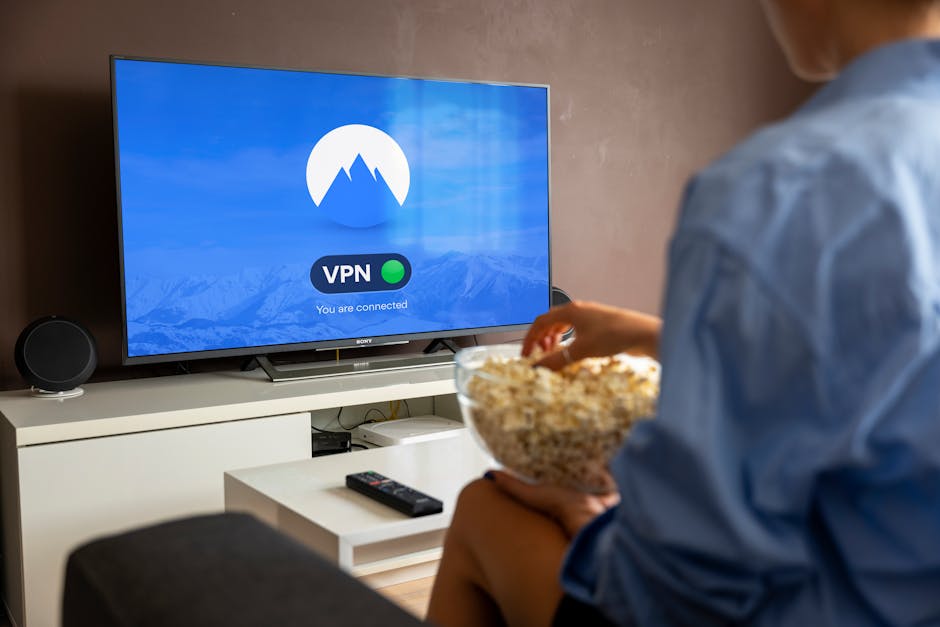
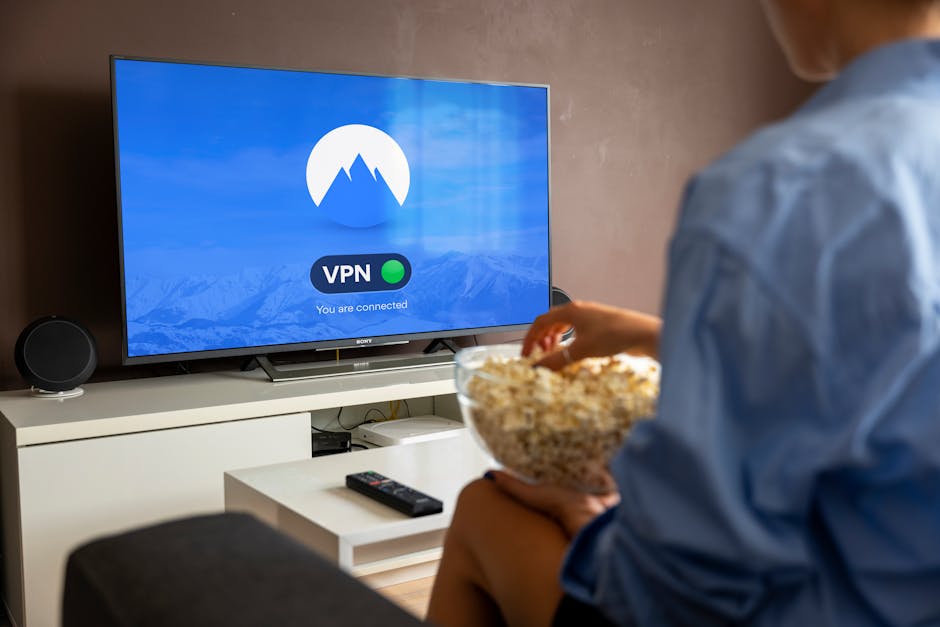
A VPN is a service that creates a secure connection between your device and the internet. Think of it as a private tunnel for your online activities. When you use a VPN, your internet traffic is routed through a secure server, which masks your IP address and encrypts your data.
How Does It Work?
When you connect to the internet through a VPN, several key processes take place:
- Your device establishes a connection to a VPN server.
- Your data is encrypted, making it hard for outsiders to read.
- Your original IP address is hidden, replaced by the IP of the VPN server.
This process ensures that your online actions remain private, even on public networks.
Why Use a VPN?
There are many reasons why people choose to use a VPN. Here are some of the most compelling:
- Online Privacy: A VPN helps keep your internet activities private from hackers, governments, and even your Internet Service Provider (ISP).
- Security on Public Wi-Fi: Public networks, like those in coffee shops or airports, are often not secure. A VPN protects your data when you’re connected to these hotspots.
- Access Restricted Content: Some websites and streaming services are only available in certain regions. A VPN can make it look like you’re browsing from a different location, giving you access to this content.
- Bypass Censorship: In some countries, the government restricts access to certain websites. A VPN can help you get around these blocks.
Choosing the Right VPN
With so many VPN options available, how do you choose the best one for your needs? Here are a few things to consider:
- Logging Policy: Look for a VPN that has a strict no-logs policy. This means they don’t keep records of your online activity.
- Speed and Performance: Some VPNs can slow down your internet connection. Check reviews or test a few to find one that maintains good speed.
- Server Locations: A wider range of server locations can give you more options for accessing content and improving speeds.
- Compatibility: Ensure the VPN works on all your devices—smartphones, tablets, and computers.
Common Misconceptions about VPNs
There are several myths about VPNs that can lead to confusion. Let’s clear a few up:
- Myth 1: VPNs are only for tech-savvy people. Truth: VPNs are user-friendly and accessible to everyone.
- Myth 2: A VPN makes your internet speed extremely slow. Truth: While some can slow you down, a good VPN will have minimal impact on speed.
- Myth 3: VPNs are only for illegal activities. Truth: Many people use VPNs for legitimate purposes, like improving online security.
Conclusion
In an age where online privacy is constantly under threat, a VPN can be a vital tool for anyone looking to protect their information. By encrypting your data and masking your online presence, a VPN adds an essential layer of security to your digital life. Whether you’re a casual browser or regularly handle sensitive data, using a VPN is a smart decision to keep your online activities safe.
So, are you ready to take control of your online privacy? Exploring VPN options could be your first step towards a safer internet experience!