
What Happened?
Recently, we’ve seen a sharp increase in ransomware attacks targeting organizations worldwide. If you’re wondering, ransomware is a type of malicious software (or malware) that locks your files and demands a ransom to get them back. It’s like a digital hostage situation!
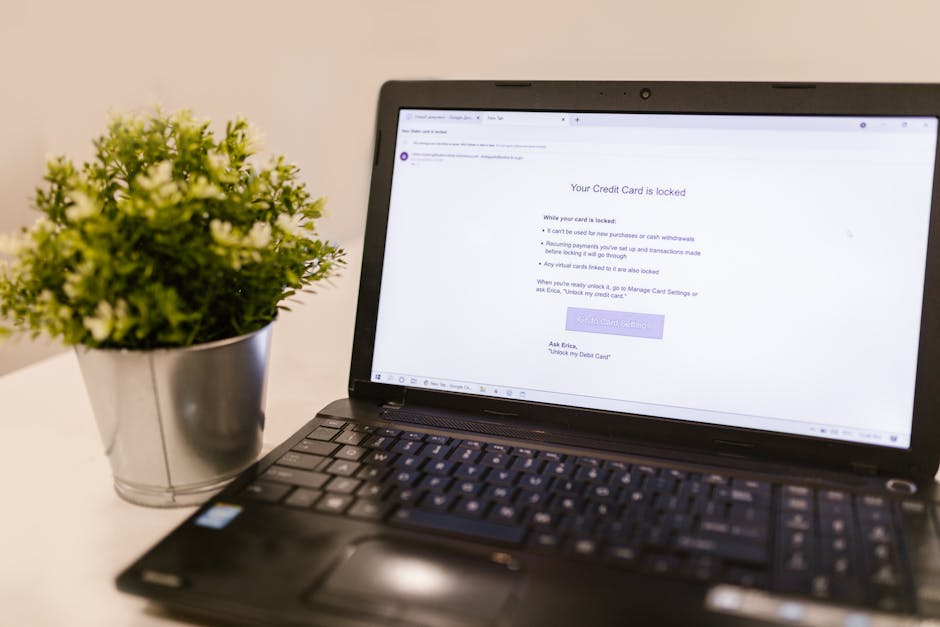
Attackers typically use various tricks to gain access to a company’s system, such as phishing emails or exploiting weaknesses in software. Once they’re inside, they encrypt files and ask for money—often in cryptocurrency—to restore access.
This surge in attacks isn’t just a problem for big companies; small businesses and individuals can also fall victim. In fact, many attackers are now focusing on smaller targets, thinking they’re easier prey.
Why Should You Care?
You might think, “I’m just a regular person, how does this affect me?” The truth is, ransomware can hit anyone, and its effects are serious. Imagine waking up one day and discovering you can’t access your important files—photos, documents, and even personal data.
Getting hit by ransomware doesn’t just mean losing access to your stuff. It can lead to financial losses, legal troubles, and a whole heap of stress. Even if you think you’re not at risk, being connected to the internet inherently carries some danger. Cybercriminals are constantly on the lookout for vulnerabilities.
How to Protect Yourself
While it’s essential to understand the risks, the good news is there are simple ways you can guard yourself against ransomware:
- Back Up Your Data: Regularly back up your important files to an external drive or cloud service. This way, if ransomware hits, you won’t lose everything.
- Be Careful with Emails: Always check email addresses and avoid clicking on suspicious links or attachments, even if they look like they come from someone you know.
- Keep Software Updated: Regularly update your operating system and other software. This helps close security gaps that hackers might exploit.
- Use Strong Passwords: Create complex passwords and change them regularly. Consider using a password manager to keep track of them.
- Employ Antivirus Software: Good antivirus protection can help detect and block malicious software before it causes harm.
Final Thoughts
The rise of ransomware is a reminder that we all need to take cybersecurity seriously. Just like locking your doors at night, taking digital precautions can help keep your personal information safe. The internet is a powerful tool, but with it comes responsibility.
Stay informed, stay alert, and don’t underestimate the importance of being proactive. Everyone has a role to play in keeping their data secure!
Source: Original Article