Introduction
Have you ever wondered what happens to your internet data when you browse online? It may be time to consider using a VPN, or Virtual Private Network. In today’s digital world, protecting your online privacy is more critical than ever.
What is a VPN?
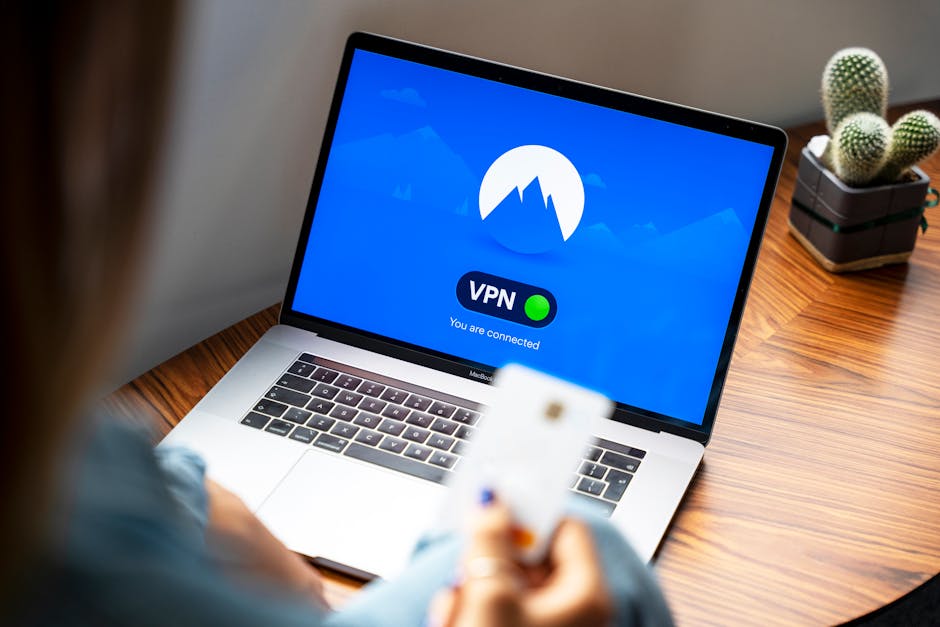
A VPN stands for Virtual Private Network. It creates a secure link between your device and the internet. You can think of it as a tunnel that keeps your data safe from prying eyes while you explore the online world.
How Does a VPN Work?
When you use a VPN, your data is encrypted. This means it’s turned into a code that only you and the VPN can understand. Here’s how it works:
- Connection: You connect to the internet through the VPN server instead of directly to your internet service provider.
- Encryption: Your data gets scrambled, ensuring that anyone who tries to intercept it can’t read it.
- IP Address Masking: Your real IP address is hidden. Instead, websites see the IP address of the VPN server.
Why You Should Use a VPN
There are several reasons why a VPN is becoming a must-have tool for internet users in 2023:
- Privacy Protection: A VPN helps keep your online activities private from hackers, government agencies, and advertisers.
- Secure Public Wi-Fi: Free Wi-Fi at cafes, airports, and hotels can be risky. A VPN protects your data on these networks.
- Access Blocked Content: Streaming services often restrict content based on your location. With a VPN, you can access shows and movies that aren’t available in your country.
- Secure Browsing: A VPN can help you browse more securely, making it harder for websites to track your activities.
Common Myths About VPNs
Despite the benefits, there are some misunderstandings about using a VPN. Let’s clear up a few:
- Myth 1: A VPN makes you completely anonymous. Fact: While a VPN hides your IP address, it doesn’t make you invisible online.
- Myth 2: All VPNs are the same. Fact: There are many VPN providers, and quality varies. Choosing a reputable one is essential.
- Myth 3: VPNs are only for techies. Fact: Many VPN services are user-friendly and easy to set up.
Choosing the Right VPN
Here’s what to consider when selecting a VPN:
- Reputation: Pick a VPN service with positive reviews and a good reputation.
- Speed: A slow VPN can annoy you while streaming or downloading. Check reviews for speed performance.
- Security Features: Look for features like encryption, a no-logs policy, and a kill switch that disconnects you if the VPN fails.
- Compatible Devices: Ensure the VPN works on your devices, be it a smartphone, tablet, or computer.
How to Set Up a VPN
Setting up a VPN is usually straightforward. Here’s a simple step-by-step:
- Choose a VPN provider and sign up for an account.
- Download the VPN application on your device.
- Install the application and open it.
- Log in with your account credentials.
- Choose a server location and connect.
Once connected, you can browse the internet securely!
Conclusion
Using a VPN can significantly enhance your online security and privacy. With the increasing number of cybersecurity threats, having a VPN in your digital toolkit is a great idea. Don’t wait until it’s too late; consider getting a VPN today!