
Introduction
Have you ever received an email that looked a little suspicious? Maybe it had a weird link or asked you to confirm your account information. If so, you might have encountered a phishing scam. These scams are designed to trick you into giving away your personal information. In this blog post, we will explore what phishing is, how to recognize it, and what you can do to protect yourself.
What is Phishing?
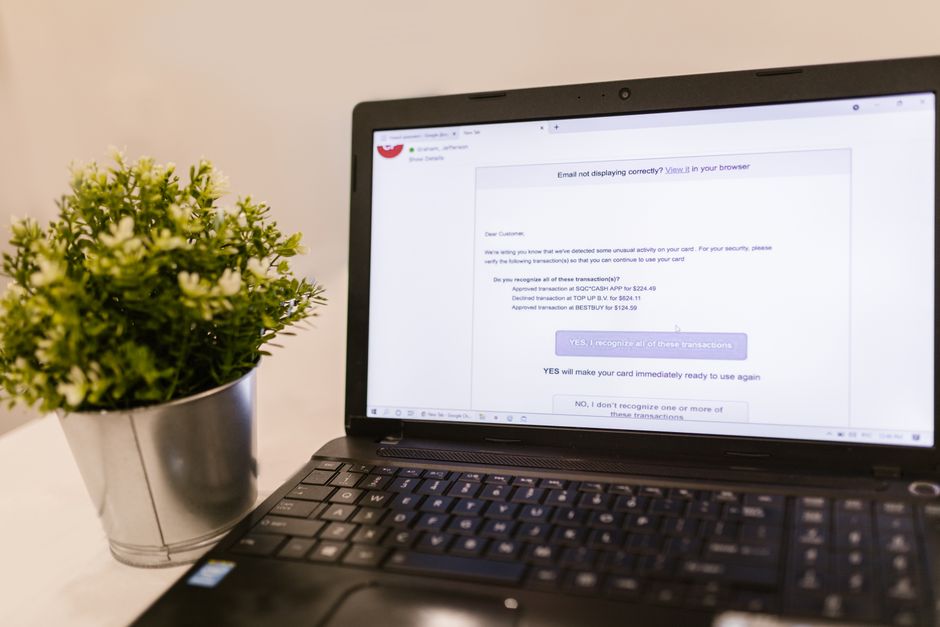
Phishing is a type of cybercrime where attackers impersonate legitimate organizations to steal sensitive information. This can include your passwords, credit card numbers, or even your Social Security number. These scams often come in the form of emails, but they can also appear as text messages or social media messages.
How Does Phishing Work?
Phishing typically works by creating a sense of urgency. For example, you might receive an email saying your account will be suspended unless you verify your information immediately. The goal is to make you act quickly, without thinking.
Once you click the link in the email, you might be directed to a fake website that looks like the real organization’s site. This is where you can unwittingly enter your personal information, giving it directly to the scammers.
Common Types of Phishing Scams
Phishing scams can take many forms. Here are a few common types:
- Email Phishing: This is the most common type, where you receive fraudulent emails.
- Spear Phishing: These attacks are more targeted and often personalized, making them harder to detect.
- Smishing: This is phishing through SMS or text messages.
- Vishing: This involves phone calls where the scammer pretends to be from a legitimate organization.
Red Flags to Look Out For
Being able to spot phishing attempts is crucial for keeping yourself safe. Here are some red flags to watch for:
- Generic Greetings: Emails that begin with “Dear Customer” instead of your name.
- Urgent Language: Messages that create a sense of fear or urgency to act quickly.
- Suspicious Links: Hover over links to see where they lead before clicking.
- Unexpected Attachments: Be cautious with attachments, especially if you weren’t expecting them.
What to Do If You Think You’ve Been Phished
If you think you may have fallen for a phishing scam, don’t panic. Here’s what you should do:
- Change Your Password: Immediately change your password for the affected accounts.
- Monitor Your Accounts: Keep an eye on your bank statements and account activities for any unauthorized transactions.
- Report the Scam: Inform your email provider and report the phishing attempt to the organization being impersonated.
- Use Antivirus Software: Ensure your device is protected by reliable antivirus software.
How to Protect Yourself from Phishing Scams
Prevention is key when it comes to phishing scams. Here are some tips to keep yourself safe:
- Be Skeptical: Always question unexpected messages that ask for personal information.
- Verify Through Official Channels: If a message claims to be from your bank, call them directly using the number on their official website.
- Use Multi-Factor Authentication: Enable it on all accounts to add an extra layer of security.
- Keep Software Updated: Regularly update your operating system and applications to protect against vulnerabilities.
Conclusion
Phishing scams may seem harmless at first, but they can lead to serious consequences if you fall victim. By staying informed and recognizing the signs, you can greatly reduce the risk of being scammed. Always remember: if something feels off, it’s better to be safe than sorry. Stay safe online!