
What Happened?
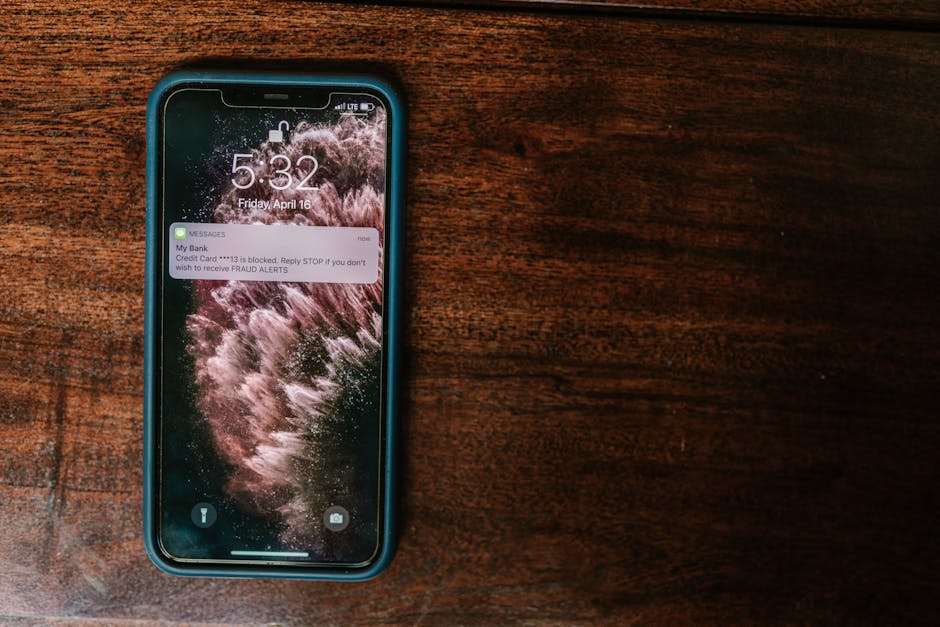
Recently, a wave of online scams has been sweeping across the internet, and it’s affecting people just like you! These scams are designed to trick you into handing over your hard-earned money or personal information. Scammers have gotten increasingly clever, using fake emails, websites, and even social media posts to fool unsuspecting individuals.
These scams often promise amazing deals or require urgent action. For example, you might receive an email claiming you won a lottery you never entered! Or, you might find an ad suggesting a product at an unbelievable price. However, what seems too good to be true usually is, and these fraudulent offers can lead to significant financial loss.
Why Should You Care?
You might be wondering, why is this such a big deal? Well, in today’s digital age, more of our lives are online than ever before. From shopping and banking to socializing, we often share personal information without a second thought. This makes us prime targets for online scams.
Understanding these scams is essential for protecting yourself. Not only can they drain your bank account, but they can also lead to identity theft. This means someone could impersonate you and cause even more damage. Knowing what to look for and how to respond can significantly reduce your risk.
How to Protect Yourself
So, how can you avoid falling victim to these scams? Here are some practical tips:
- Be Skeptical of Unsolicited Offers: If you receive an unexpected email or message that promises great things, take a moment to think about it. Legitimate companies usually don’t reach out this way.
- Check Email Addresses: Scammers often use fake email addresses that look similar to real ones. Always check the sender’s email carefully before clicking any links.
- Look for Poor Grammar: Many scam messages contain spelling mistakes or awkward phrasing. If something seems off, it probably is!
- Never Share Personal Information: Be cautious about sharing personal details like your social security number, bank information, or passwords, especially if you didn’t ask for it.
- Research Before You Click: If an offer seems appealing, do a quick online search. Type in the company’s name along with “scam” to see what others are saying.
By following these tips, you can better protect yourself against scammers looking to take advantage of you.
Final Thoughts
As you navigate the online world, remember that staying informed is your best defense. Online scams can happen to anyone, but with a little caution and awareness, you can minimize your risk. Think critically about what you see and hear online, and don’t hesitate to double-check before you act.
Stay safe out there, and remember: when in doubt, it’s always best to err on the side of caution!
Source: Original Article