
What Happened?
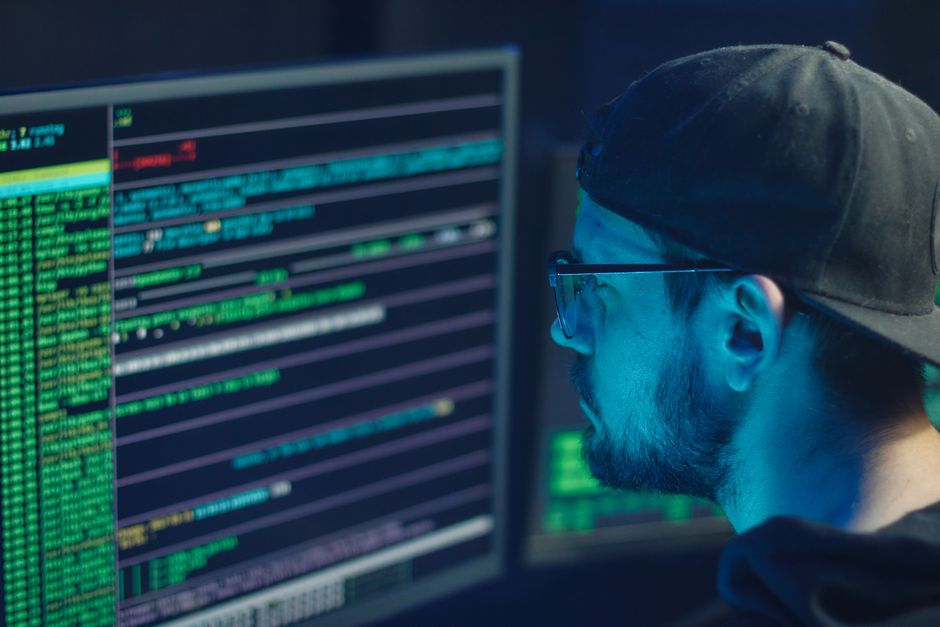
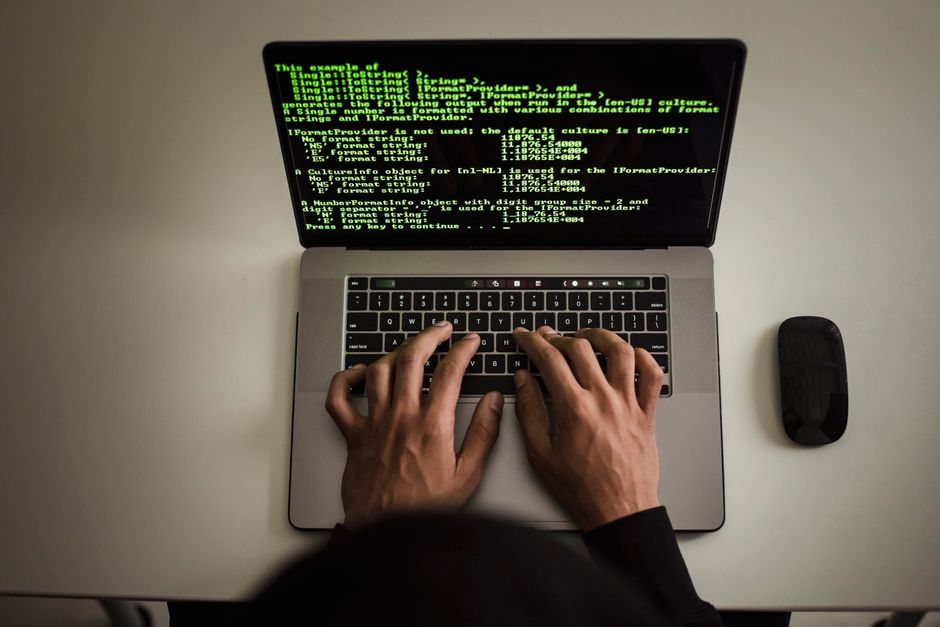
Recently, a significant cybersecurity threat emerged that has left many of us questioning the safety of our personal data. A group of hackers managed to breach a well-known company, stealing sensitive information from millions of users. This incident has raised alarms across the internet and is a clear reminder of the dangers lurking in our digital world.
The breach involved the unauthorized access of user accounts, which included names, email addresses, and even financial details. Such stolen information can be used for various malicious purposes, including identity theft and fraud, making this a serious issue that could affect anyone with an online presence.
Why Should You Care?
So, why should you be worried about this breach? Well, think about all the information you share online. From social media to online shopping, we all leave a digital footprint that can be exploited by cybercriminals. If hackers can steal data from big companies, they can easily access your personal details too.
Here are a few compelling reasons why this matters to you:
- Your Identity is at Risk: If your information gets stolen, it can lead to identity theft, where someone pretends to be you to commit fraud.
- Financial Safety: Stolen financial information can result in unauthorized purchases or draining your savings accounts.
- Pervasive Cyber Threats: This breach is just one example; it shows that cyber threats are not going away anytime soon.
How to Protect Yourself
Now that we understand the seriousness of the situation, how can you safeguard yourself from such threats? Here are some practical steps you can take:
- Use Strong Passwords: Create complex passwords that include a mix of letters, numbers, and symbols. Avoid using easily guessable information like birthdays or names.
- Enable Two-Factor Authentication: This adds an extra layer of security by requiring a second form of verification besides your password.
- Monitor Your Accounts: Regularly check your bank and credit accounts for any unauthorized transactions. Early detection can help you react quickly.
- Be Cautious of Phishing Scams: Be wary of emails or messages that ask for personal information. Always verify the sender before clicking on links.
- Update Your Software: Keeping your devices and applications updated helps protect against vulnerabilities that hackers exploit.
Final Thoughts
In this digital age, understanding the importance of cybersecurity is crucial. While we can’t completely shield ourselves from cyber threats, taking proactive measures can significantly reduce the risks. Stay informed, stay cautious, and always prioritize your online security. Remember, a little bit of effort can go a long way in protecting your personal information.
Source: Original Article