
What Happened?
Recently, there has been a significant rise in cyberattacks targeting everyday people. Cybercriminals have become more sophisticated in their tactics, often using seemingly harmless emails to trick individuals into giving away their personal information. This increase in attacks highlights the urgent need for everyone to be aware of and understand potential threats.
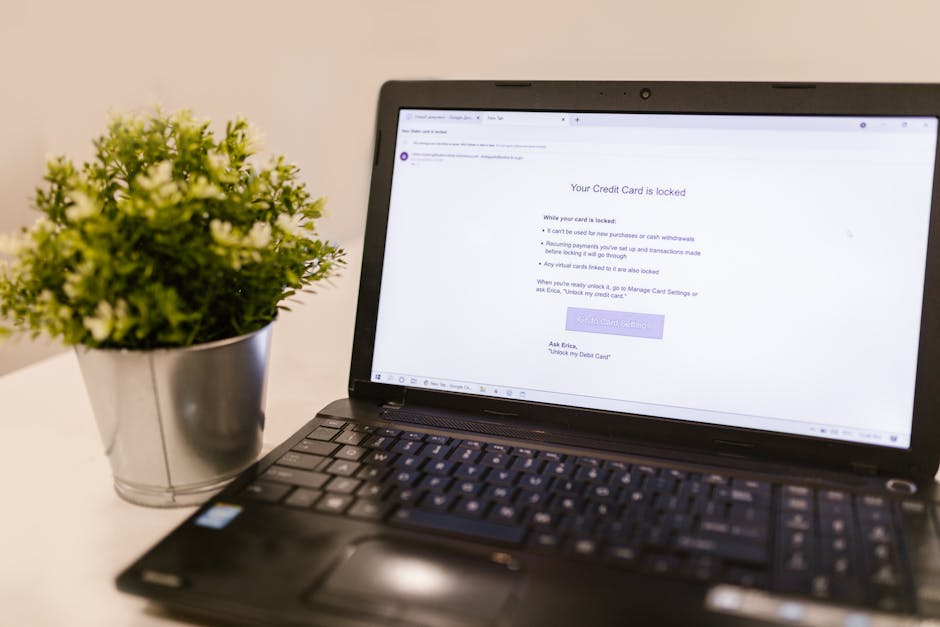
One of the latest incidents involved a wave of phishing emails that appeared legitimate. Many users unknowingly clicked on links or downloaded attachments, which led to the theft of sensitive data. This wasn’t just a random event; it was a well-planned operation by hackers intent on accessing private information.
Why Should You Care?
You might be wondering why this is important to you, especially if you don’t consider yourself a tech expert. The truth is, everyone is at risk! Cybercriminals don’t just target large organizations; they aim at individual users just like you, who might not have adequate defenses in place.
When your information is stolen, it can lead to severe consequences. For example, your bank account could be drained, your identity could be misused, or you could be bombarded with spam and scams. Understanding the risks is the first step to protecting yourself.
How to Protect Yourself
- Be cautious with emails: Always double-check the sender’s email address. If it looks suspicious or unfamiliar, don’t open it.
- Don’t click on links: If an email urges you to click a link, be extra cautious. Instead, manually type the website address into your browser.
- Use strong and unique passwords: Create passwords that are hard to guess and make sure you use different passwords for different accounts.
- Enable two-factor authentication: This adds an extra layer of security by requiring a verification method beyond just your password.
- Keep your software updated: Always install updates for your operating system and apps, which often include security improvements.
- Be aware of the information you share: Limit the amount of personal information you post on social media. Hackers can use it to impersonate you!
Final Thoughts
The world of cybersecurity can feel overwhelming, especially when stories about hackers and data breaches pop up in the news. However, you don’t have to be a tech genius to protect yourself online. By taking simple steps and staying informed, you can significantly reduce your risk of falling victim to cyberattacks.
Remember, every small action counts in keeping your information safe. Don’t wait for something to happen; being proactive is key in today’s digital landscape.
Source: Original Article