
Introduction
Have you ever received an email that looked a little too good to be true? Maybe it was from your bank, promising a bonus if you clicked a link. Or perhaps it warned you that your account would be suspended unless you verified your information. Fortunately, you’re not alone! This is a common tactic known as phishing and today, we’re going to dive into what it is and how you can protect yourself.
What is Phishing?
Phishing is a type of online scam where attackers try to trick you into giving them your personal information. This can include your passwords, credit card details, and even your social security number. They often disguise themselves as a trustworthy source, like your bank or a popular website.
How Do Phishing Attacks Work?
Phishing attacks typically come in the form of emails, but they can also occur through text messages, phone calls, or even social media. The attacker will send a message that seems legitimate, asking you to click a link or provide sensitive information.
The link usually directs you to a fake website that looks very similar to the real one. This is where they hope you’ll enter your personal data. Once they have your information, they can use it for theft, fraud, or selling it on the dark web.
Common Signs of Phishing
It’s important to know how to spot phishing attempts. Here are some common signs to look out for:
- The sender’s email address looks suspicious or slightly altered.
- There are spelling or grammar mistakes in the email.
- You’re being asked to act quickly, often with language like “urgent” or “immediate action needed.”
- The link takes you somewhere unexpected (hover over it to check the URL!).
- You’re asked for sensitive information that the real company would never request via email.
Types of Phishing
Phishing scams come in various forms. Here are a few you should be aware of:
- Spear Phishing: This is a targeted attack directed at a specific person or organization. The attacker may do their homework, making the message appear very credible.
- Whaling: This is a type of spear phishing that targets high-profile individuals like CEOs or government officials.
- Vishing: This is voice phishing where attackers use phone calls to lure you into sharing personal information.
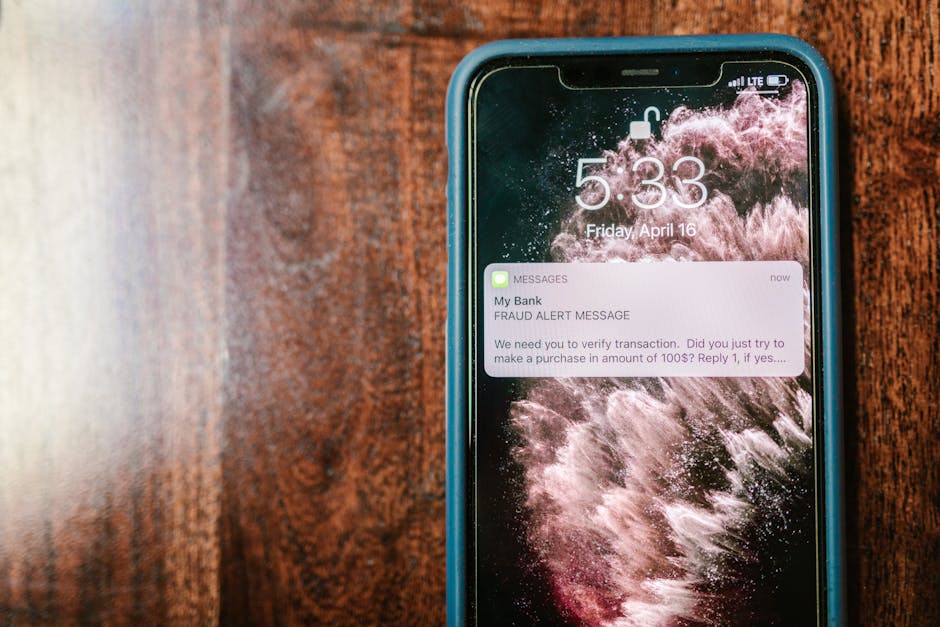
- Smishing: Here, SMS text messages are used to trick you into clicking a link or providing data.
Real-Life Examples
Let’s look at a couple of real-life phishing examples to illustrate how these scams can unfold:
In 2016, a phishing email disguised as a Google Docs invitation led to a widespread attack, affecting millions of users. The email looked authentic, but it used a fake login page to capture user credentials.
In another case, an employee at a finance firm fell for a spear phishing attempt. The attacker impersonated the CEO and asked for sensitive information, costing the company thousands of dollars.
How to Protect Yourself
Now that you know how phishing works, let’s talk about how to keep yourself safe. Here are some simple tips:
- Be skeptical: Always question unexpected messages, especially if they ask for personal information.
- Check the URL: If you receive a link, hover your mouse over it to see the real address before clicking.
- Use two-factor authentication: This adds an additional layer of security to your accounts.
- Keep software updated: Ensure your security software, browsers, and apps are up-to-date to protect against the latest threats.
- Report suspicious emails: If you receive a phishing attempt, report it to your email provider.
Conclusion
Phishing is a serious threat, but you don’t have to fall victim to it. By being aware of the signs of phishing and taking steps to protect yourself, you can significantly reduce your risk. Stay skeptical, stay informed, and you’ll be much safer online!