
Introduction
In today’s digital world, passwords are everywhere. They protect your emails, bank accounts, social media profiles, and so much more. However, with increasing cyber threats, it’s crucial to ensure that your passwords are secure. In this blog post, we’ll explore effective strategies for creating strong passwords, recognizing the dangers of weak ones, and how to manage them effortlessly.
The Importance of Strong Passwords
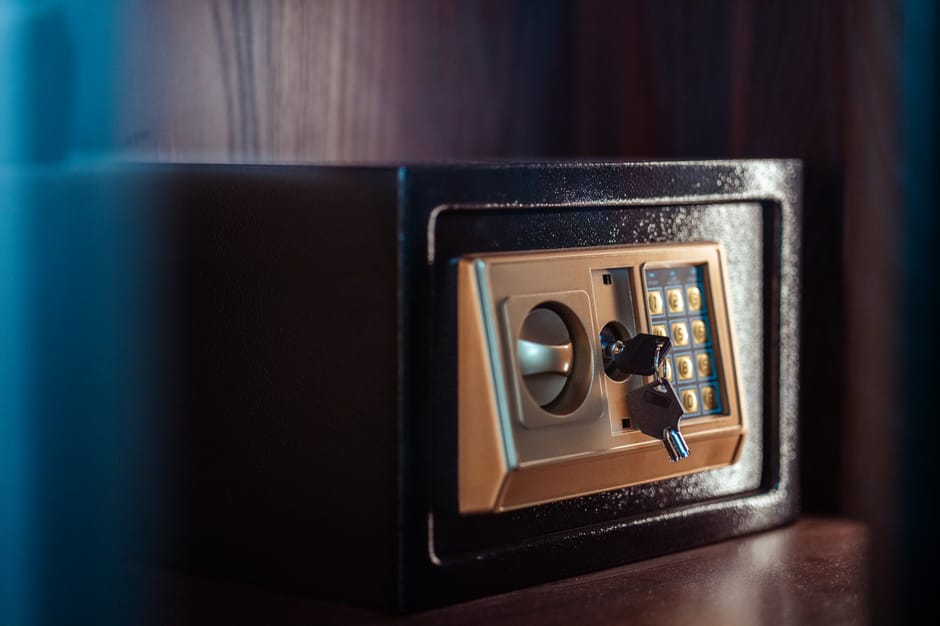
Imagine your password as the key to your house. If you have a strong, unique key, it’s much harder for someone to break in. The same principle applies online. Using strong passwords helps safeguard your personal information from those with ill intentions.
Weak passwords are like leaving your door wide open. Cybercriminals can easily guess simple passwords like “123456” or “password.” They often use software that can try thousands of combinations in just moments!
Understanding What Makes a Strong Password
When creating a strong password, think of it as a combination of various factors:
- Length: Aim for at least 12 characters.
- Complexity: Use a mix of uppercase and lowercase letters, numbers, and symbols.
- Uniqueness: Avoid using easily guessed information like birthdays or pet names.
By combining these elements, you create a fortress around your online accounts that’s much harder to breach.
Tips for Creating Strong Passwords
Here are some practical steps to create hard-to-guess passwords:
- Use a Passphrase: Consider a memorable phrase and then modify it. For example, “I love hiking in July!” can become “!LoveH1k1ngJ!uly”.
- Include Different Characters: Mix numbers and symbols with letters. Instead of using “cat”, try “C@t123!”.
- Randomize Your Passwords: Use a password generator tool to create random combinations.
These methods can significantly increase the strength of your passwords, making it hard for anyone to crack them.
The Role of Password Managers
Managing multiple passwords can be overwhelming. This is where a password manager comes in handy. A password manager securely stores all your passwords in one place, and many can generate strong passwords for you.
Here are some benefits of using a password manager:
- Security: They encrypt your passwords and are more secure than keeping them written down.
- Convenience: You only need to remember one master password, making logging into sites much easier.
- Auto-fill Feature: Password managers can automatically fill in your login details, improving efficiency and security.
With a password manager, you can relax knowing your accounts are well protected.
Recognizing Phishing Attempts
Even the strongest passwords can be compromised if you fall victim to a phishing attack. Phishing is when attackers impersonate trustworthy entities to steal your information.
Stay alert! Here’s how to recognize phishing attempts:
- Check Sender’s Email: Look closely at the email address. Often, the domain will be slightly different from the real one.
- Look for Typos: Many phishing messages contain poor grammar or spelling errors.
- Avoid Clicking Links: If an email urges you to click a link, hover over it to see the destination. If it looks suspicious, don’t click!
Being aware of these tactics helps protect your passwords and personal information.
Enable Two-Factor Authentication
For an extra layer of security, consider enabling two-factor authentication (2FA) on your accounts. 2FA adds a second step to the login process, such as verifying your identity through a code sent to your phone.
This means that even if someone manages to get your password, they would still need your mobile device to access your accounts. It’s an essential step in enhancing your online security.
Regularly Update Your Passwords
Lastly, it’s essential to change your passwords regularly. While this may seem tedious, it’s a crucial practice, especially if you hear of a data breach involving a service you use.
Set a reminder to review your passwords every six months. Use this time to change any that seem weak or have been compromised.
Conclusion
Protecting your online accounts starts with understanding the importance of strong passwords. By creating unique, complex passwords, using a password manager, recognizing phishing attempts, enabling two-factor authentication, and regularly updating your passwords, you can significantly boost your cybersecurity.
Remember, being proactive is the key to safe and secure online practices. Take charge of your online security today!