Introduction
Shopping online has become a common way to buy everything from groceries to gadgets. But with the convenience of online shopping comes some risks. Cybercriminals are always on the lookout for ways to snatch your personal and financial information. In this post, we’ll explore some essential tips to keep your wallet safe while enjoying the joys of e-commerce.
Why Online Shopping Safety Matters
When you shop online, you’re often asked to provide sensitive information, like your credit card details and home address. If this data falls into the wrong hands, it could lead to serious issues, like fraud or identity theft. Knowing how to protect your information can make a big difference.
Recognizing Secure Websites
Before entering your credit card information, always check for signs that a website is secure. One quick way to do this is to look at the URL.
- If the URL starts with https:// instead of just http://, it means the site is using secure encryption.
- Look for a small padlock icon in the browser’s address bar, which indicates the connection is encrypted.
These simple checks can save you from entering your information on a fraudulent site.
Use Trusted Retailers
Stick to retailers you know and trust. Well-known companies invest in cybersecurity to protect their customers. If you’re tempted by a lesser-known site, do a little research first:
- Check customer reviews on independent sites.
- Look for mentions in news articles or blogs.
- Ensure they have a valid return policy.
Sometimes, a deal too good to be true can be a red flag. If the prices seem incredibly low, proceed with caution.
The Importance of Strong Passwords
Creating strong passwords is critical in protecting your accounts. A good password should be:
- At least 12 characters long.
- A mix of uppercase and lowercase letters, numbers, and special characters.
Also, avoid using obvious choices like names or dates. Consider using a passphrase—a series of unrelated words that are easy to remember but hard to guess.
Utilizing Two-Factor Authentication
Another layer of protection is Two-Factor Authentication (2FA). This means that even if someone steals your password, they cannot access your account without a second form of verification.
This might include:
- A text message with a code sent to your phone.
- Using an authentication app that generates codes.
Enabling 2FA is a simple step that can significantly enhance your account security.
Beware of Phishing Scams
Phishing scams are attempts to trick you into giving away personal information. They often come in the form of emails or messages that look like they’re from trusted sources.
- Pay attention to spelling and grammar errors in messages.
- Check the sender’s email address to see if it matches the company’s official domain.
If something feels off, it’s best to delete the message and not click any links.
Be Cautious with Wi-Fi Networks
Public Wi-Fi is convenient but can also be a hotbed for hackers. Avoid making purchases or accessing sensitive information while using public networks.
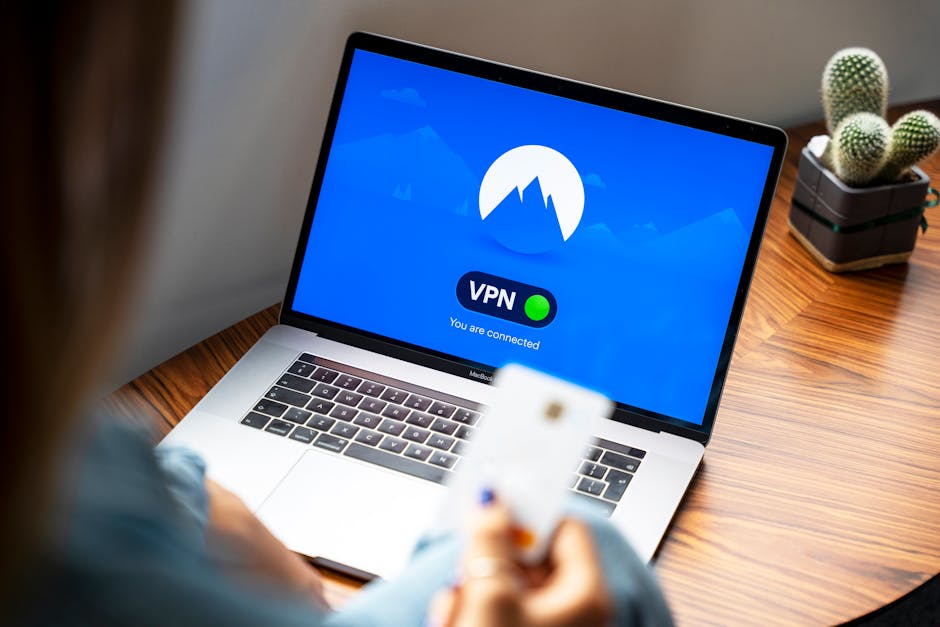
If you need to shop on the go, consider using a Virtual Private Network (VPN). A VPN encrypts your internet connection, making it harder for cybercriminals to intercept your data.
Monitor Your Financial Statements
Regularly checking your bank statements can help catch unauthorized transactions early. If you see anything suspicious, report it to your bank immediately.
Many banks now offer real-time alerts for transactions, which can be a helpful tool in monitoring your spending.
Conclusion: Keeping Your Wallet Safe
Online shopping should be fun and convenient, not a cause for stress. By following these tips, you can significantly reduce your chances of falling victim to cyber threats. Always stay informed and cautious, and your online shopping experience can remain safe and enjoyable!