
What Happened?
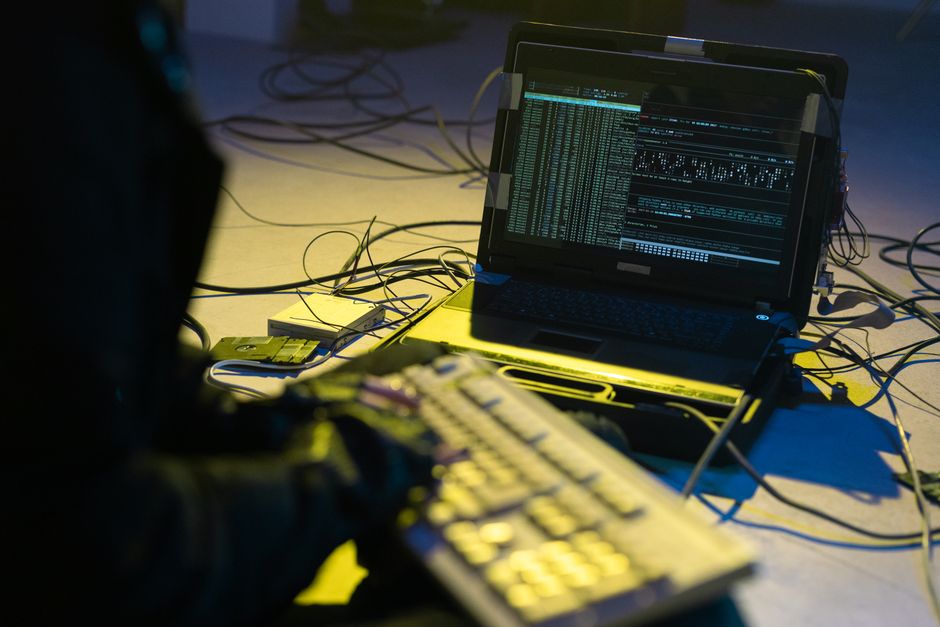
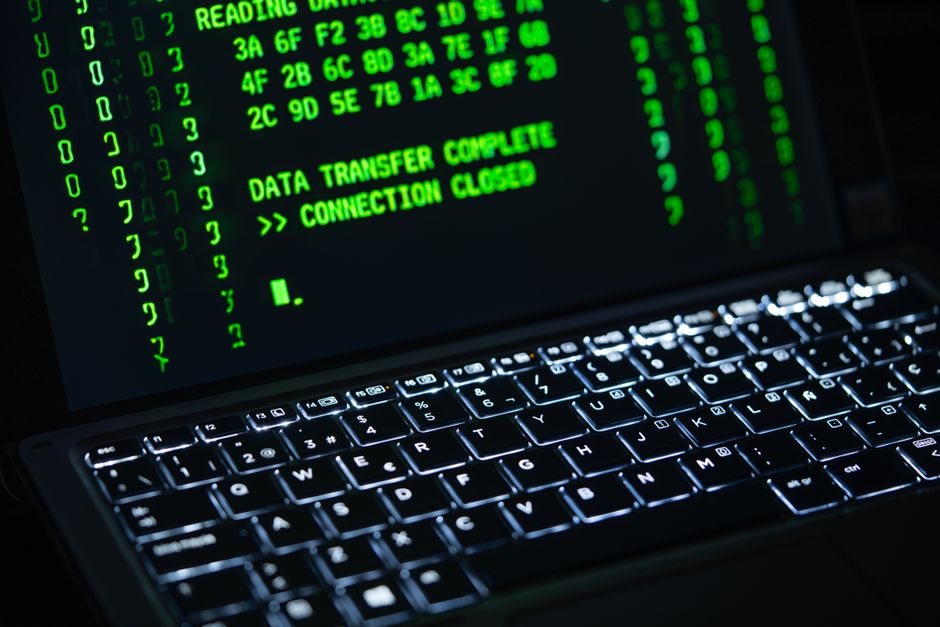
A recent wave of cyberattacks has left many individuals and businesses feeling vulnerable. This surge in incidents has been unprecedented, with hackers employing more advanced techniques than ever before. These attacks often target personal information, financial data, and even sensitive corporate secrets.
Cybercriminals are getting smarter, and their strategies are shifting. These attacks are not just happening to large corporations; everyday people are at risk too. Many of us wouldn’t think twice about sharing our personal information online, but this has become an easy target for hackers.
Why Should You Care?
You might think that you’re safe because you don’t work for a big company or store a lot of valuable data. However, that’s a common misconception. In today’s digital world, anyone with online activity could be targeted. Here’s why you should be concerned:
- Your Identity Is Valuable: Personal data like your name, address, and Social Security number can be sold on the dark web for a high price.
- Financial Loss: A cyberattack could lead to unauthorized transactions from your bank account or credit cards.
- Emotional Stress: Dealing with the aftermath of an attack, such as identity theft, can be emotionally draining and time-consuming.
Understanding the risks is the first step in protecting yourself. When you know what’s at stake, you can take action to safeguard your information.
How to Protect Yourself
Although the rising number of cyber threats can be alarming, there are simple steps you can take to safeguard your digital life. Here are a few key actions you can implement:
- Use Strong Passwords: Never use easily guessed passwords. Instead, combine letters, numbers, and symbols to create complex passwords.
- Enable Two-Factor Authentication: This adds an extra layer of security. Even if someone gets your password, they will still need a second form of verification to access your accounts.
- Keep Software Updated: Ensure that your devices and applications are always running the latest versions, which often include security updates to protect against new threats.
- Be Wary of Phishing Scams: Don’t click on links or open attachments in emails from unknown sources. Verify the sender’s email address before engaging.
- Monitor Your Accounts: Regularly check your bank and credit card statements for any irregular transactions. If something looks off, report it immediately.
Final Thoughts
Cybersecurity may seem daunting, but it’s essential to take steps to protect yourself in this digital age. The more you educate yourself and stay informed about potential threats, the more secure you can be. Remember, it’s not only about securing your own information but also protecting your loved ones, who might not be aware of these risks.
In a world where our lives are increasingly online, knowledge is power. Stay aware, stay alert, and take proactive steps to defend yourself against cyber threats. Together, we can create a safer online community for everyone.
Source: Original Article