What Happened?
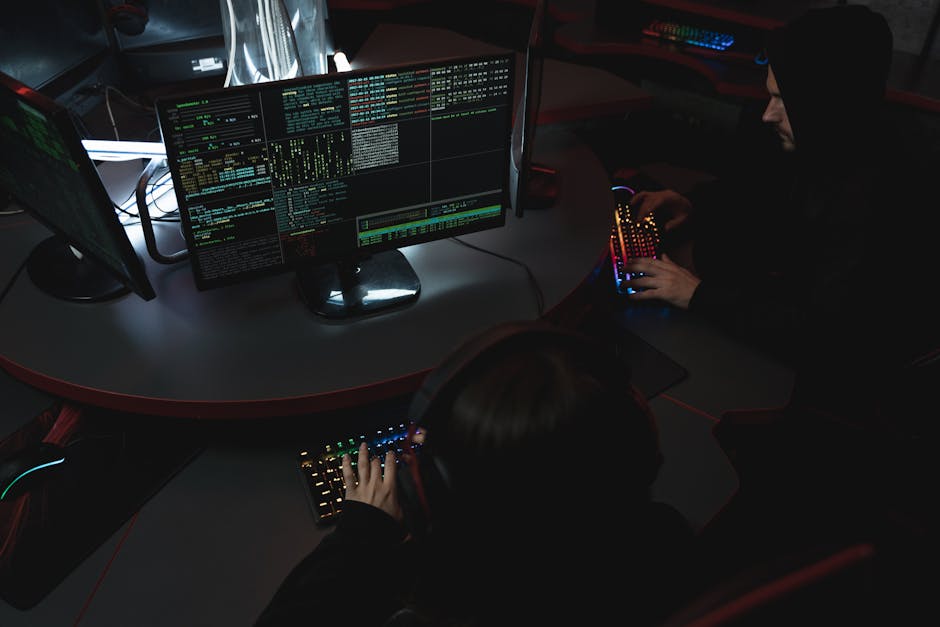
Recently, a well-known company revealed that hackers had successfully broken into its systems, stealing a massive amount of personal data belonging to customers. This data breach included names, email addresses, and even passwords. The company is currently investigating how this occurred and is urging all affected customers to take immediate action.
This incident has raised alarm bells across the internet. Many people are now questioning how safe their personal information really is when they shop online or use various services. Cybersecurity threats are becoming more common, and it’s important to understand how they can impact you.
Why Should You Care?
You might be wondering why this matters to you, especially if you don’t think you were affected. The reality is that data breaches can influence anyone, regardless of whether you directly use the company’s services or not. Here’s why you should be concerned:
- Identity Theft Risks: Hackers can use your personal information to impersonate you, which may lead to unauthorized transactions or even criminal activities in your name.
- Financial Consequences: If hackers access your banking or credit information, it could result in severe financial losses.
- Privacy Erosion: Your personal data may be sold or shared without your consent, leading to unwanted marketing or scams.
Awareness is vital because the more you know, the better you can protect yourself and those around you.
How to Protect Yourself
Now that you understand the potential risks, let’s discuss some practical steps you can take to stay safe in this digital age:
- Change Your Passwords: If you receive a notification about a data breach, update your passwords immediately. Make sure your new password is strong and unique for each account.
- Enable Two-Factor Authentication: This adds an extra layer of security. Even if someone steals your password, they’ll need a second piece of info—like a code sent to your phone—to access your accounts.
- Monitor Your Accounts: Regularly check your bank and credit accounts for any unauthorized transactions. Early detection can help you resolve issues faster.
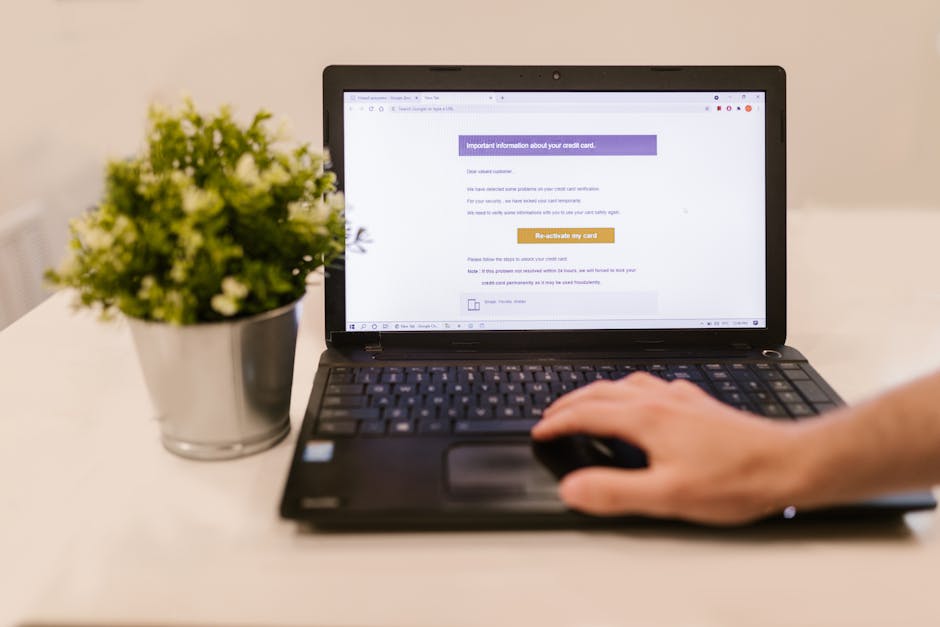
- Be Wary of Phishing Scams: After a breach, scammers often try to exploit people. Be cautious of unexpected emails or messages asking for your personal information.
- Consider Identity Theft Protection: These services can help monitor your information and alert you to any suspicious activities.
Final Thoughts
Cybersecurity can feel like a daunting topic, and incidents like this one can shake people’s sense of safety. However, the good news is that by staying informed and taking proactive steps, you can significantly reduce your risks. Remember, protecting your personal information is an ongoing effort. Stay vigilant, and don’t hesitate to seek help if you feel overwhelmed. Your safety in the digital realm is worth the effort!
Source: Original Article