
Introduction
In today’s digital world, keeping your personal information safe is more important than ever. With so many of us sharing our lives online, it’s easy to forget just how vulnerable we can be to cyber threats. But don’t worry! In this blog post, we’ll walk you through five simple steps that can significantly improve your online security.
Why Is Online Security Important?
Online security refers to the measures we take to protect our personal information from cyber criminals. These criminals may steal your data for various reasons, including identity theft, financial fraud, or even selling your information on the dark web. By being proactive about your online security, you can prevent these issues before they arise.
Step 1: Create Strong Passwords
Your **password** is the front line of defense against unauthorized access. A strong password should be longer than eight characters and contain a mix of uppercase letters, lowercase letters, numbers, and symbols.
Here are some tips for creating strong passwords:
- Use at least 12 characters.
- Avoid personal information like your name or birthdate.
- Replace letters with numbers or symbols (e.g., “@” for “a”).
Don’t stick to one password for all your accounts. If one gets hacked, they all could be at risk!
Step 2: Enable Two-Factor Authentication (2FA)
Two-factor authentication adds an extra layer of security. It requires not only your password but also a second piece of information that only you should have.
This can be a code sent to your phone, a fingerprint scan, or even a face recognition scan. Enabling 2FA can make it much harder for someone to access your accounts, even if they have your password.
Step 3: Be Wary of Phishing Scams
Phishing is a common tactic used by cybercriminals to trick you into giving up your personal data. They may send you an email that looks like it’s from your bank, asking you to click on a link and enter your information.
To avoid falling for these traps, always:
- Check the sender’s email address for inconsistencies.
- Hover over links to see their true destination.
- Never enter your information on a site you accessed through a link in an email.
Step 4: Regularly Update Your Software
Software updates are essential for keeping your devices secure. These updates often include patches for vulnerabilities that cybercriminals could exploit.
Make it a habit to:
- Enable automatic updates when possible.
- Regularly update your apps, operating systems, and browsers.
- Uninstall any unused applications that may pose risks.
Step 5: Use a VPN for Secure Browsing
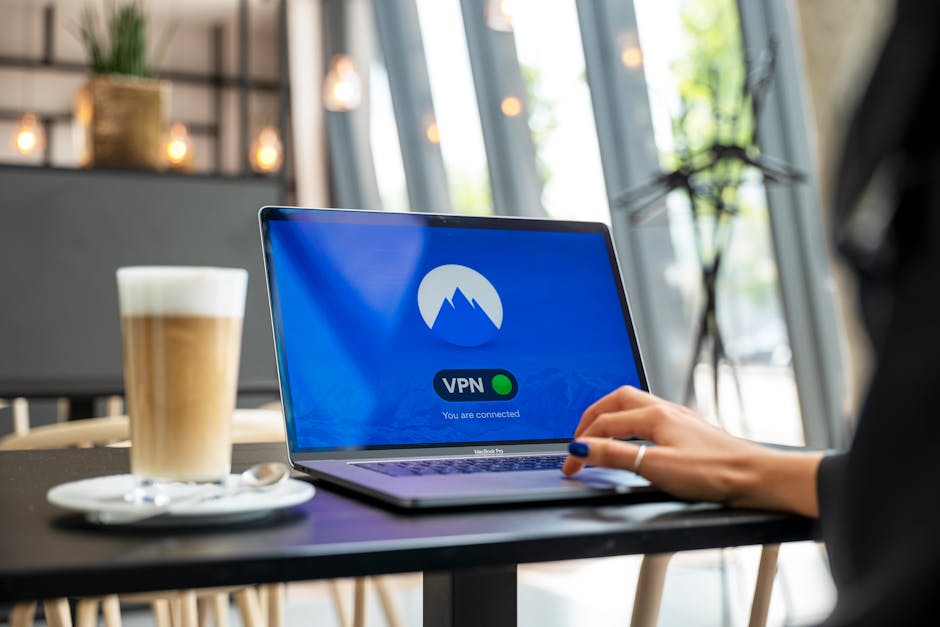
A **Virtual Private Network (VPN)** encrypts your internet connection, making it more difficult for hackers to intercept your data, especially on public Wi-Fi networks.
When choosing a VPN, look for one that:
- Has a good reputation and reviews.
- Offers strong encryption standards.
- Doesn’t keep logs of your browsing history.
Conclusion
Keeping your personal data secure doesn’t have to be complicated. By following these five steps, you can significantly enhance your online security and protect yourself from cyber threats. Remember, just like wearing a seatbelt while driving, taking precautions online can make a big difference in keeping you safe.
Now that you’re equipped with these tips, take the time to review your online security today. It’s never too late to start protecting yourself!